Why it deserves a visit
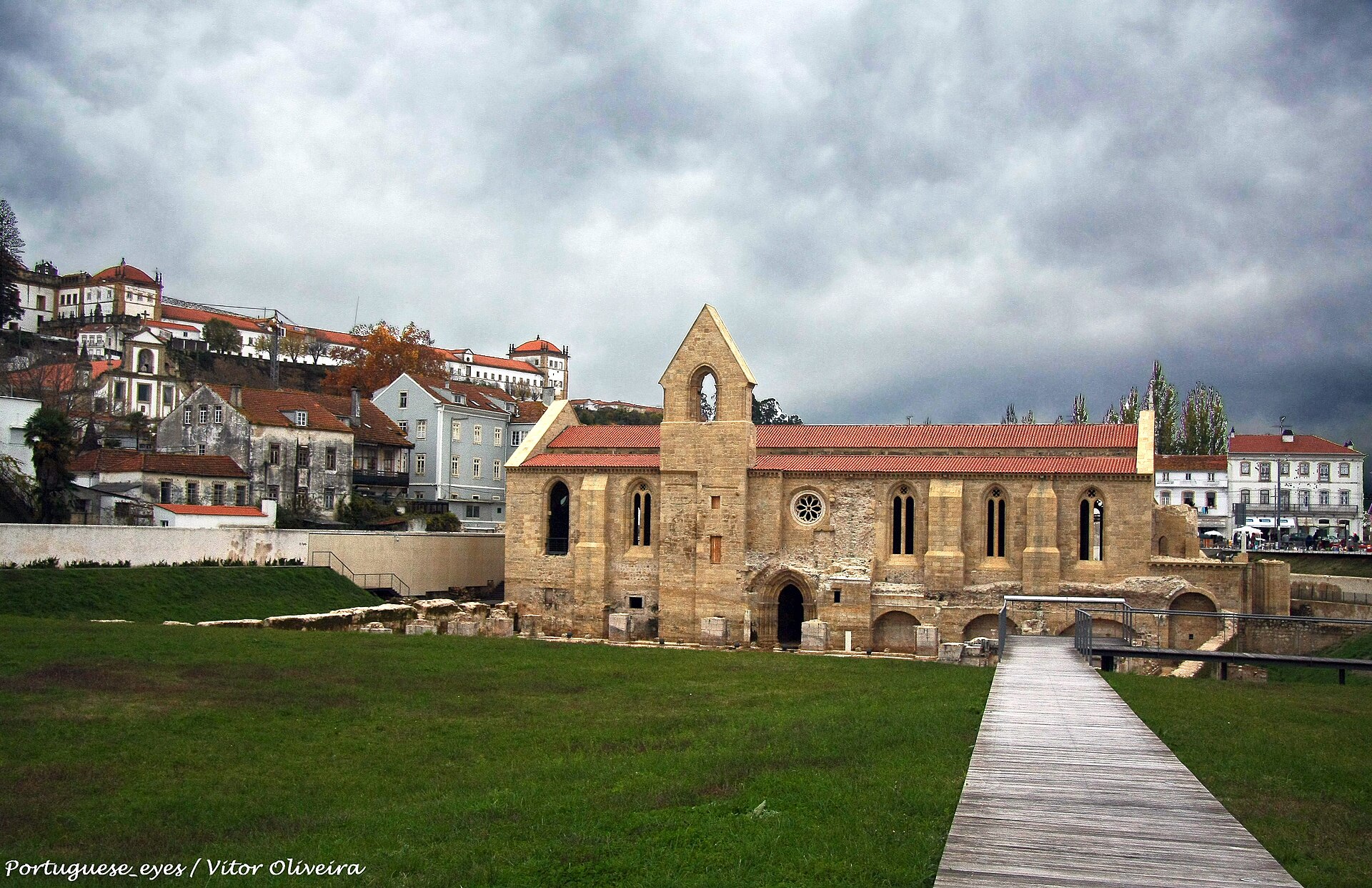
Founded beside the Mondego in the fourteenth century, the monastery endured repeated flooding before its seventeenth-century abandonment; archaeology now reveals its church, cloister and convent life.
What to look for
Its low position beside the Mondego explains the repeated floods that affected the monastery and led to abandonment in the seventeenth century. Church, cloister and archaeological finds reconstruct the Poor Clares’ community associated with Queen Saint Isabel.
Plan your visit
The interpretation centre and ruins form a dedicated left-bank circuit. Check the areas currently open because conservation and water-related conditions can alter access. The medieval monastery is closely connected with Queen Saint Isabel, who supported the community and built a nearby palace where she lived after widowhood.
The archaeological complex reveals a monastery repeatedly affected by Mondego flooding before abandonment. Its interpretation centre and ruins form a separate left-bank visit; current access can depend on conservation and water-related conditions.
Queen Isabel of Aragon was closely associated with the community and was first buried at the monastery.