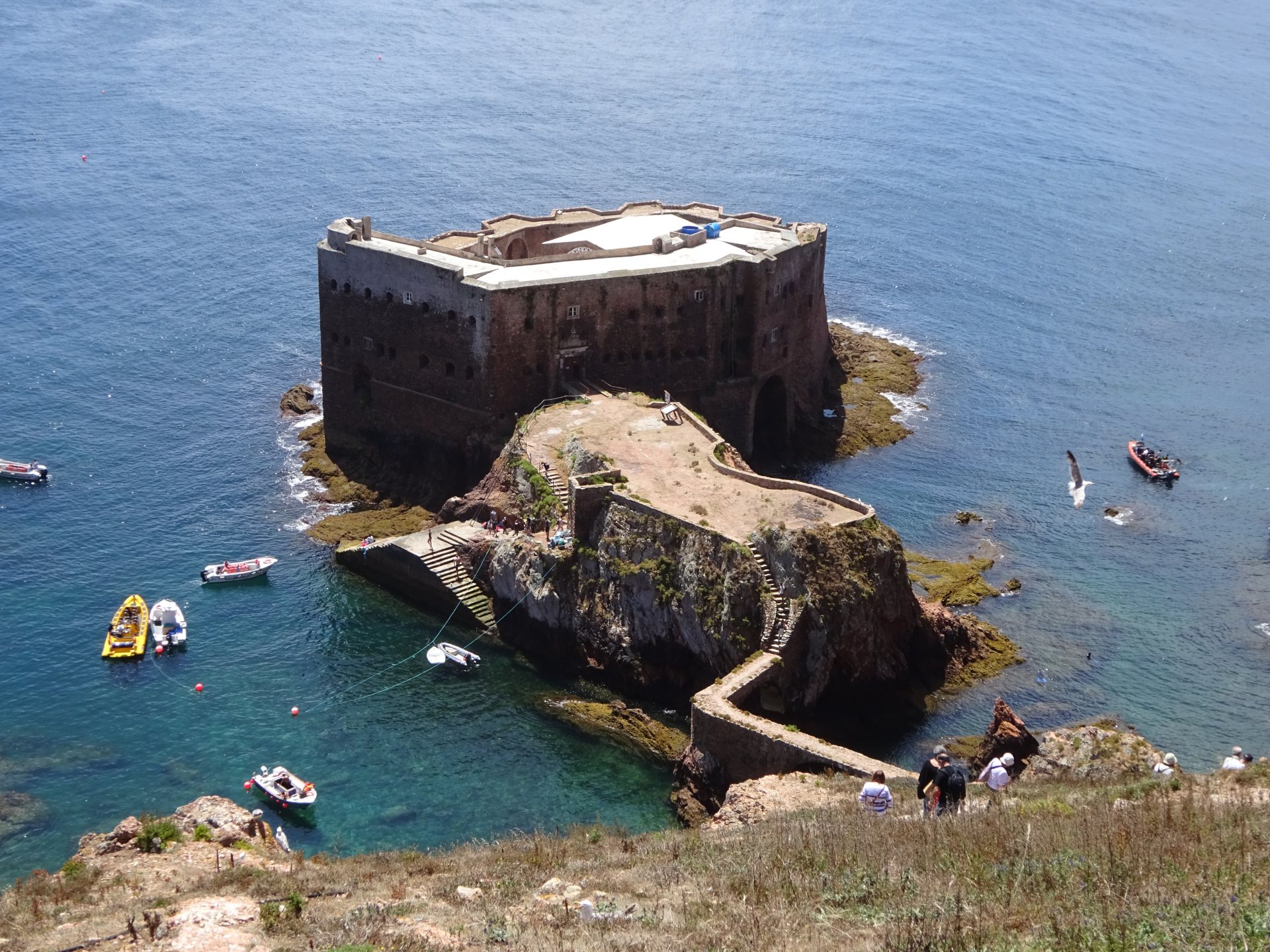
Berlengas Archipelago
An ocean nature reserve off Peniche, with controlled access to Berlenga Grande.
View guide → tourismin portugal
Places on the routes
Individual pages linked to routes: monuments, beaches, railway lines and trails.
An ocean nature reserve off Peniche, with controlled access to Berlenga Grande.
View guide →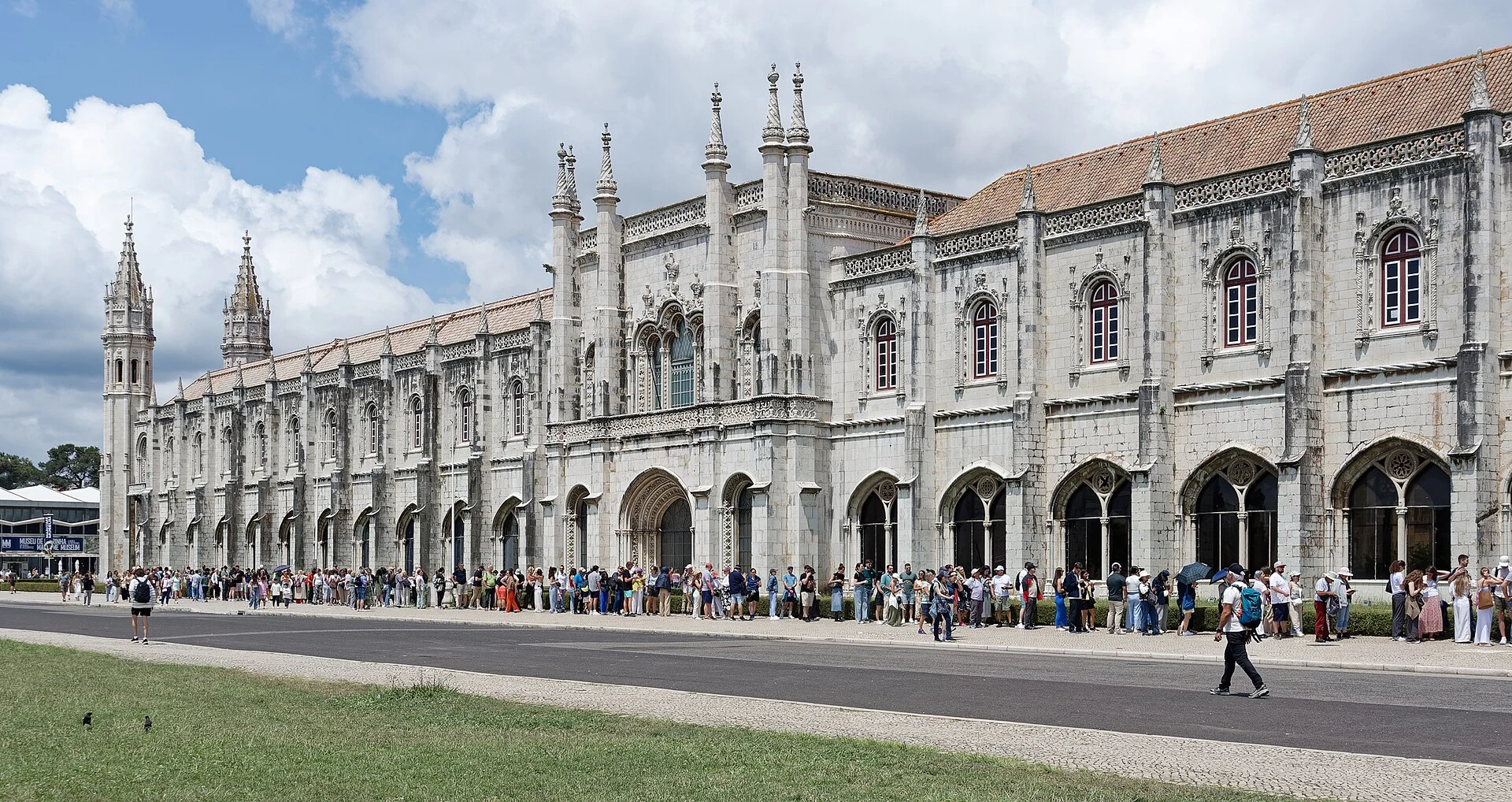
Commissioned by Manuel I in the early sixteenth century, the monastery is a defining work of Manueline architecture and has shared UNESCO World Heritage status with Belém Tower since 1983.
View guide →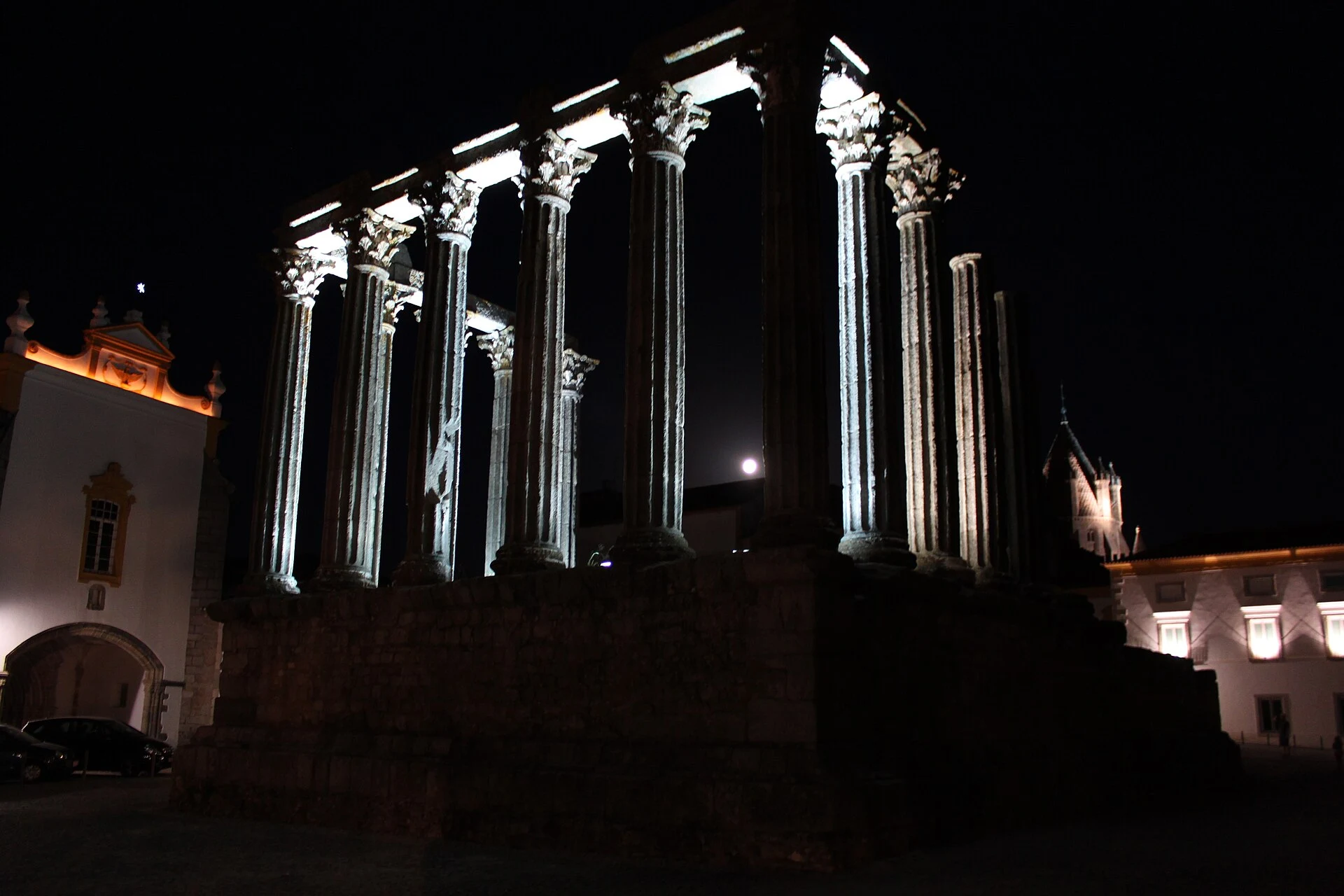
Built in the first century within Évora’s Roman forum, the monument preserves a raised podium and Corinthian colonnade that have become the city’s most recognisable Roman image.
View guide →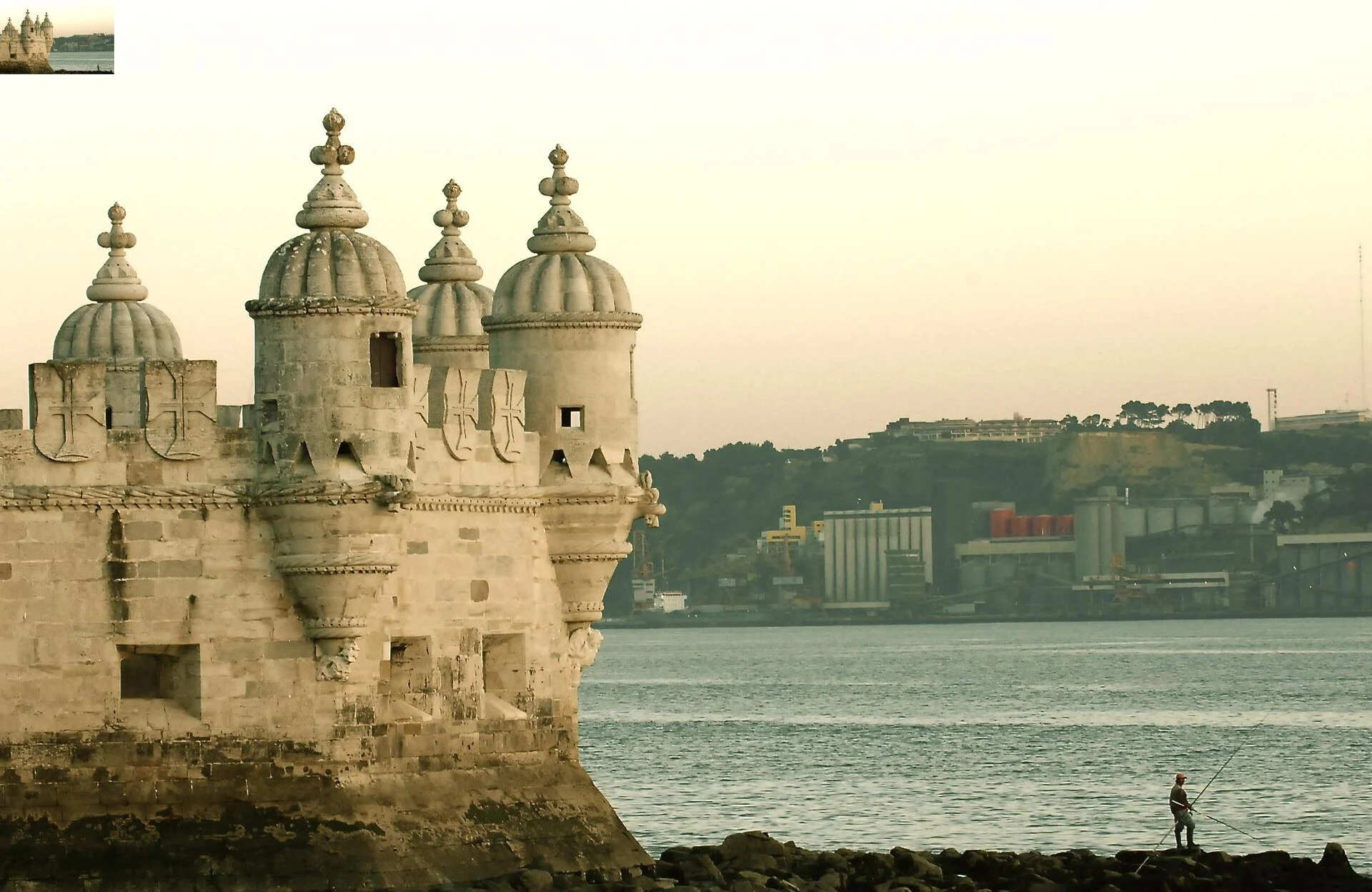
Built beside the Tagus between 1514 and 1520, the tower combined defence of the river entrance with royal display and became an enduring symbol of Manueline architecture.
View guide →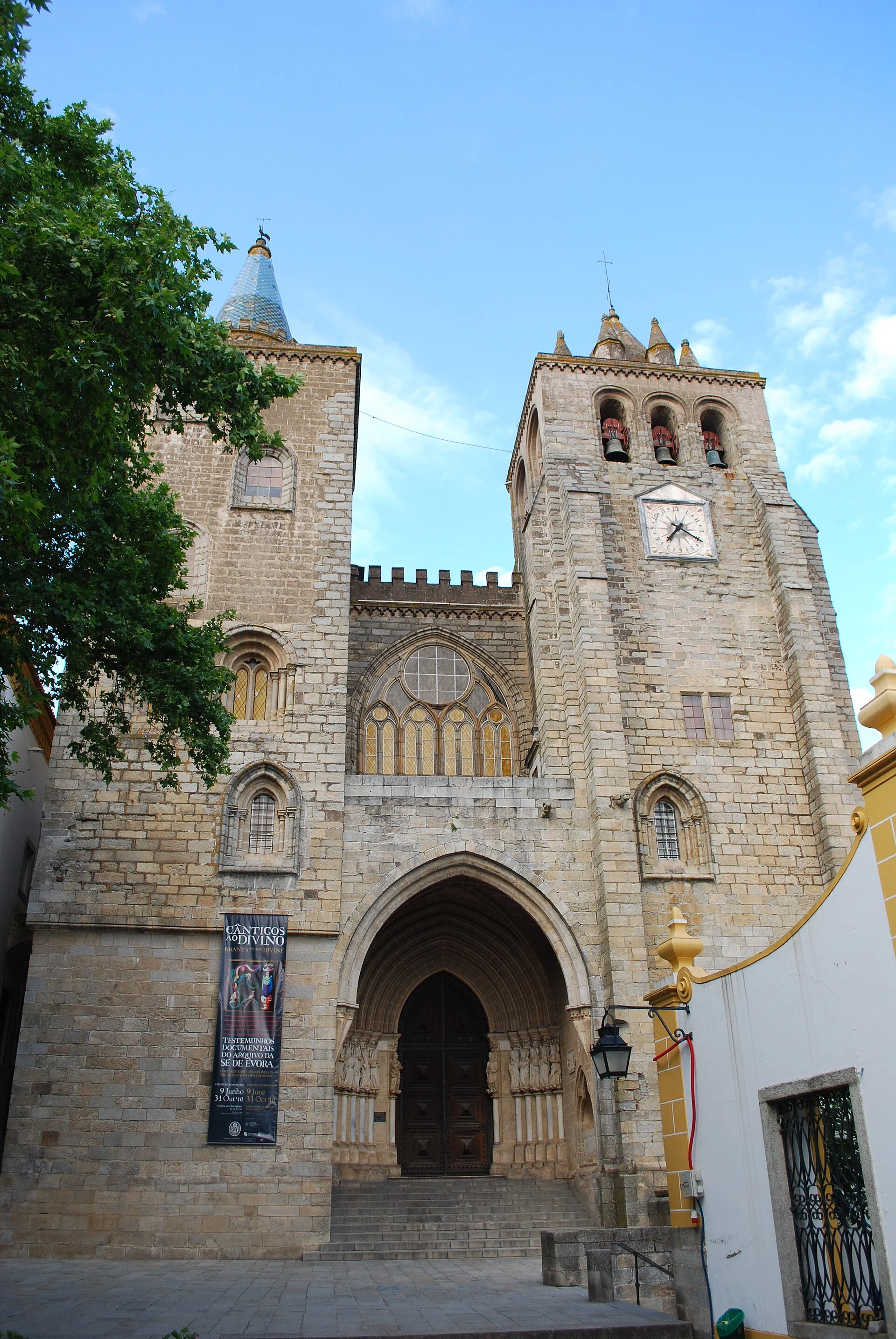
Begun in the late twelfth century, Évora Cathedral combines Romanesque and Gothic architecture with later additions, a medieval cloister and terraces overlooking the historic city and Alentejo plain.
View guide →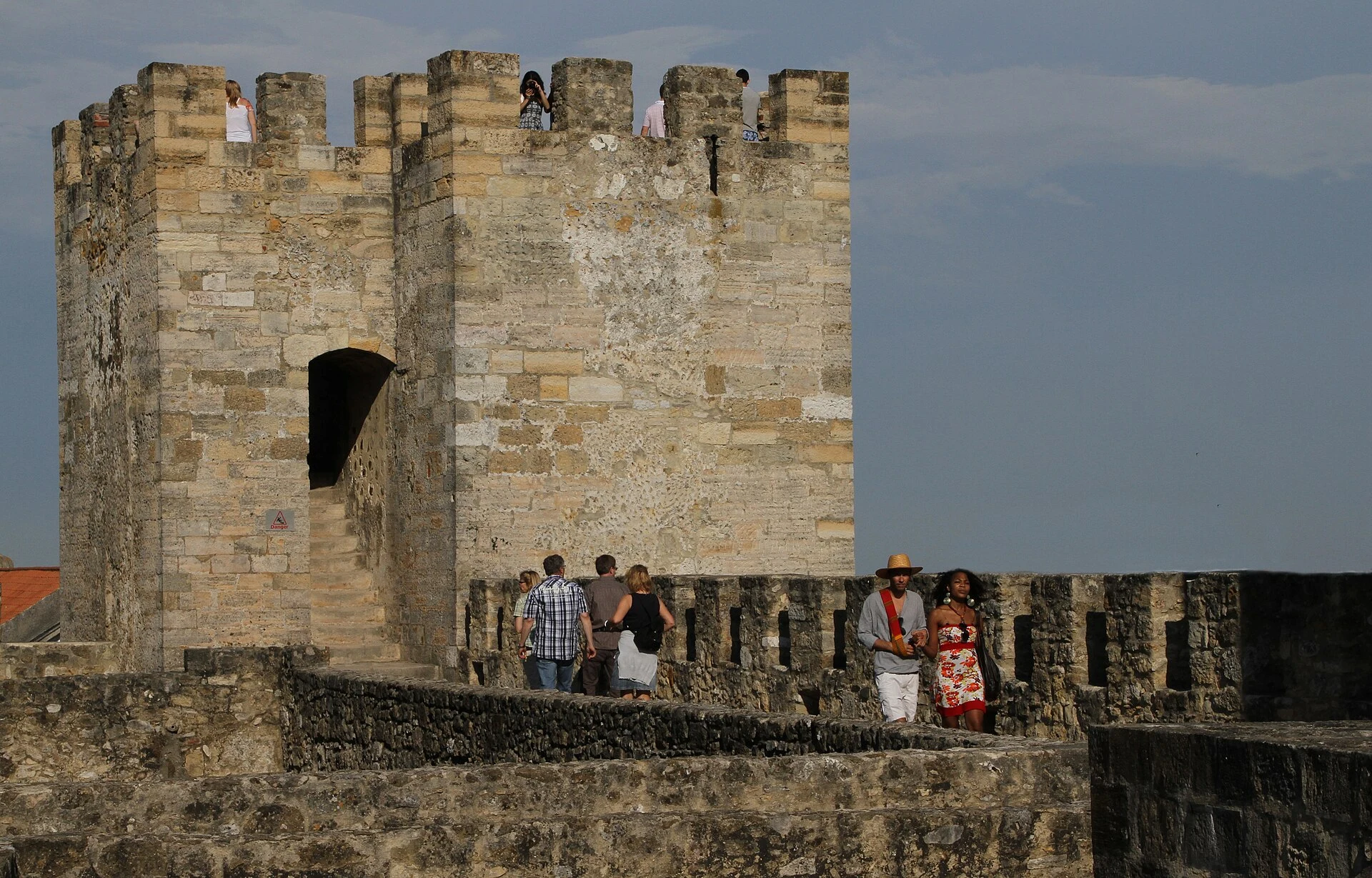
Lisbon’s former citadel crowns one of the city’s highest hills, preserving walls, towers and archaeology alongside broad views over the historic quarters and the Tagus estuary.
View guide →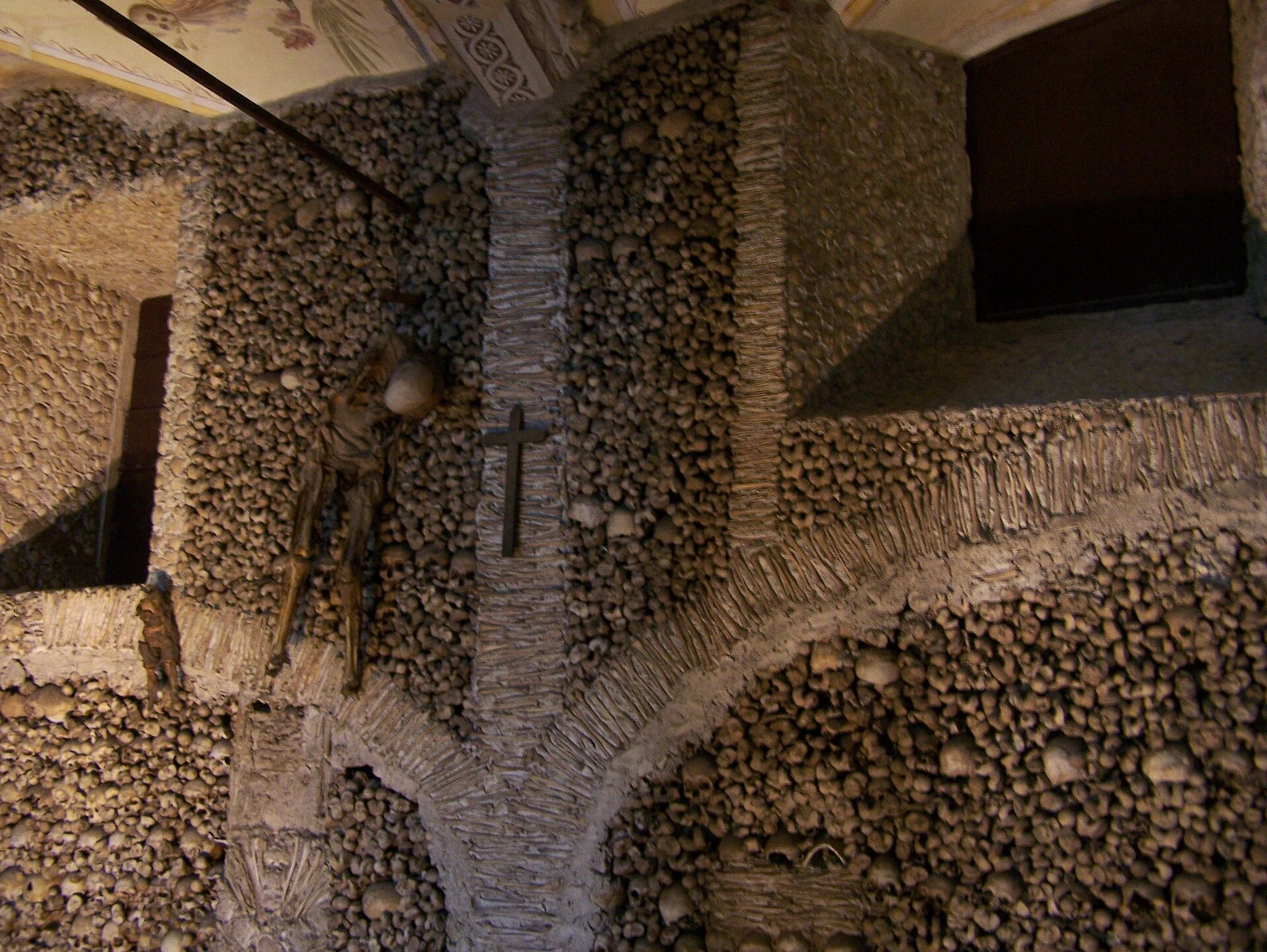
Created by Franciscans in the seventeenth century, the chapel uses human remains in an architectural meditation on life’s brevity and forms part of Évora’s Church of São Francisco.
View guide →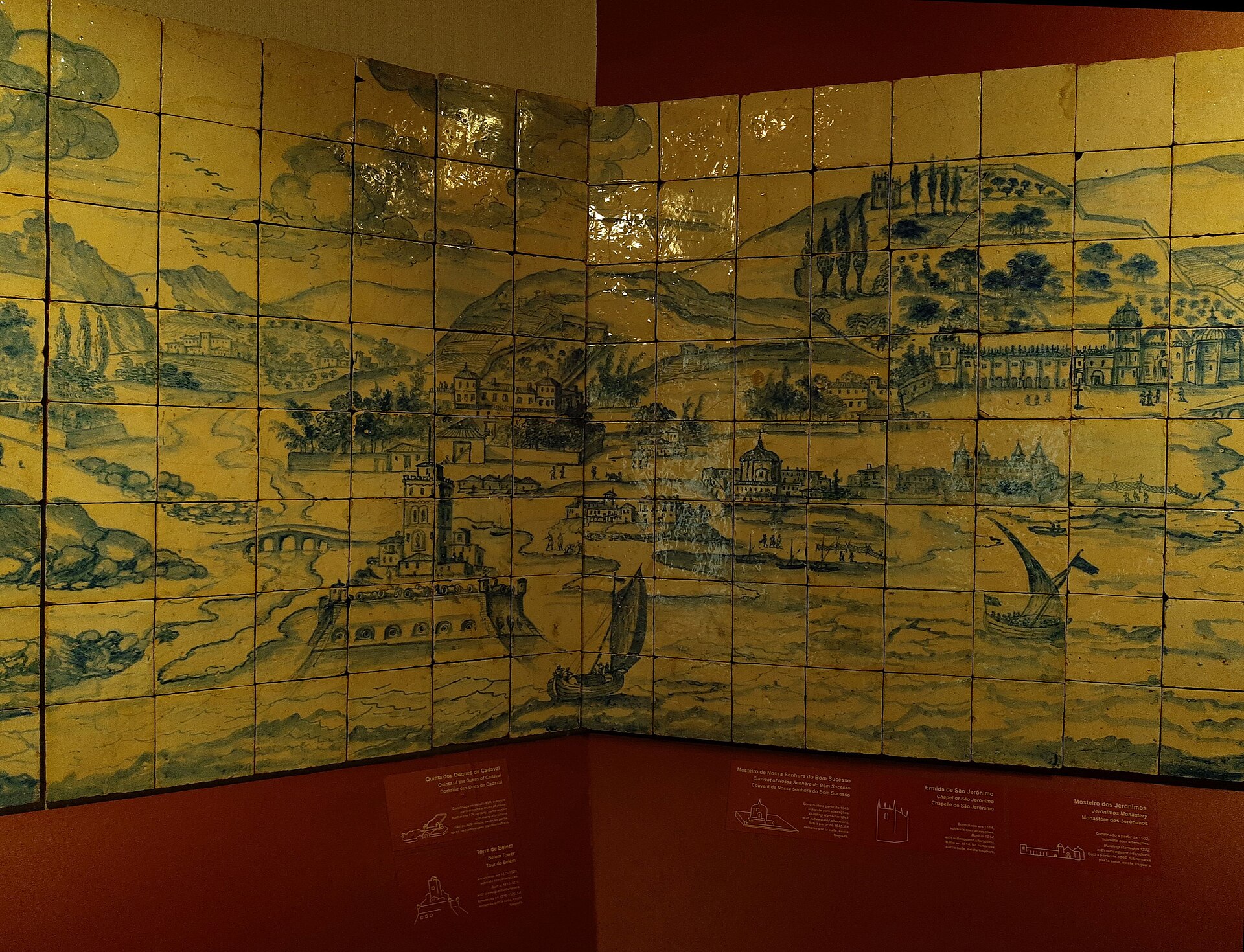
Set in the former Madre de Deus convent, the museum traces the history of Portuguese tiles and includes a Baroque church and the great panorama of Lisbon before the 1755 earthquake.
View guide →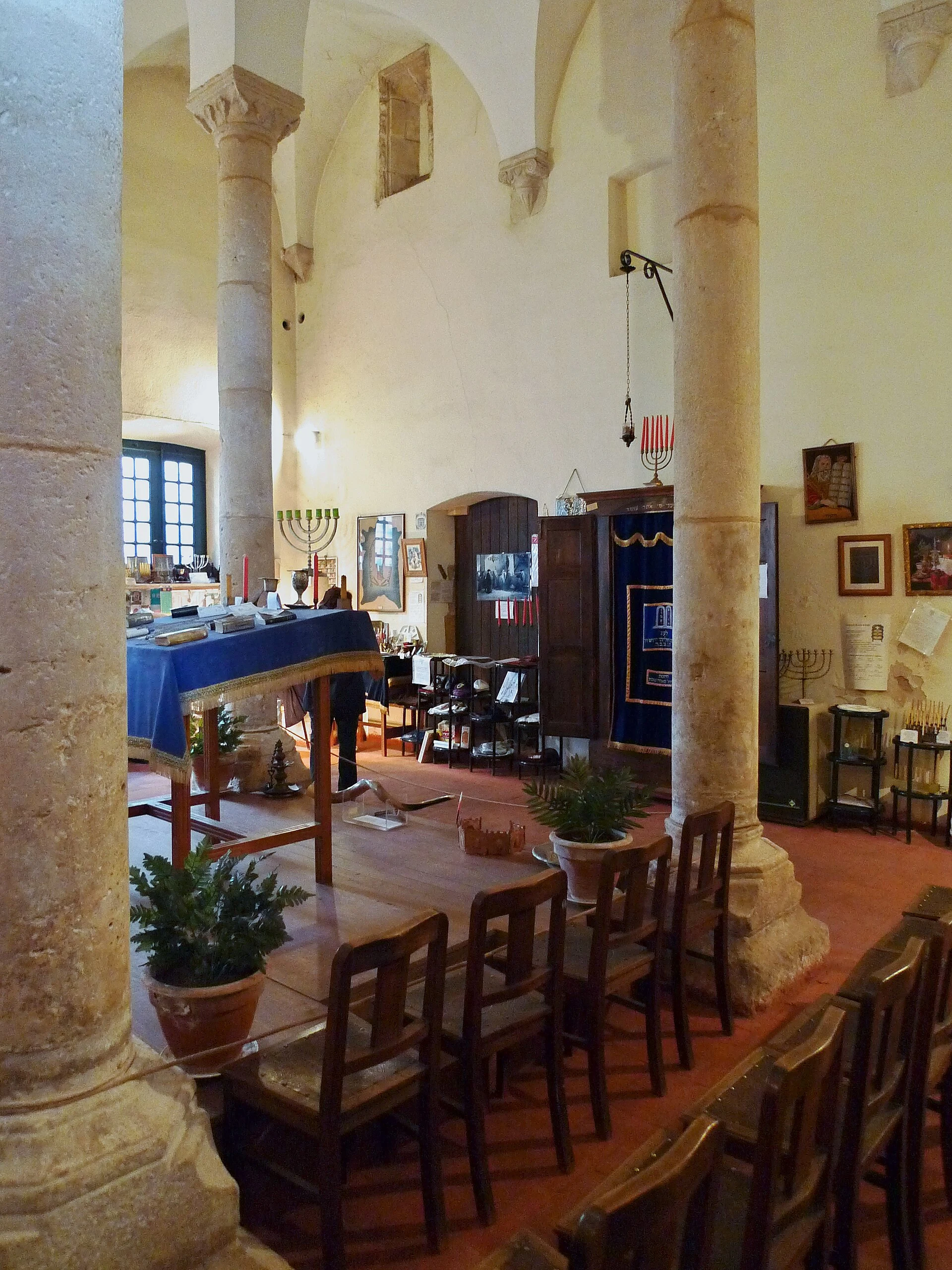
This rare fifteenth-century synagogue preserves a square prayer room supported by four columns and twelve corbels and now houses the Abraham Zacuto Luso-Hebrew Museum.
View guide →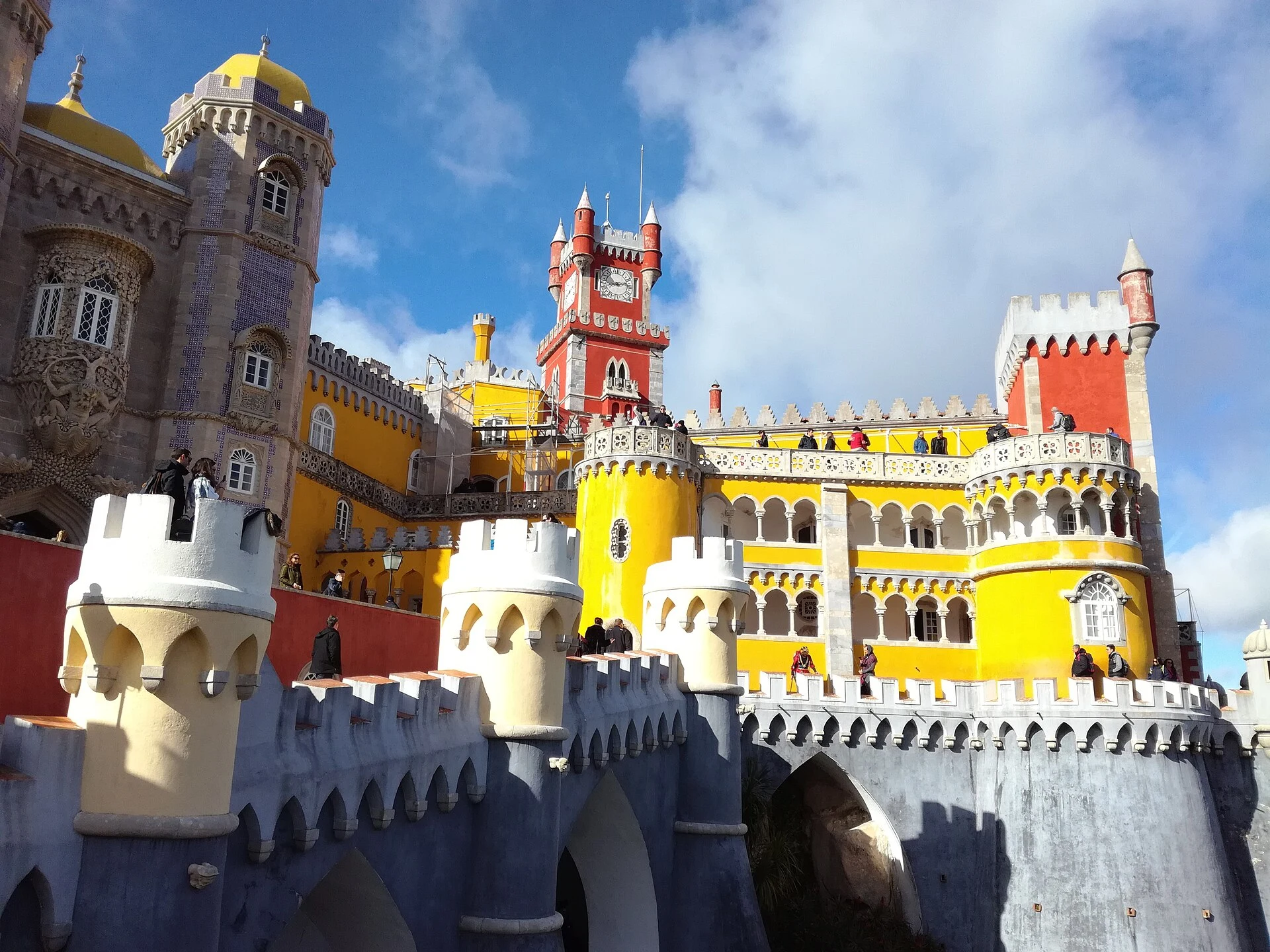
Ferdinand II transformed a former Hieronymite monastery into a nineteenth-century Romantic palace, combining historic fabric, architectural revivals and a park conceived as a designed landscape.
View guide →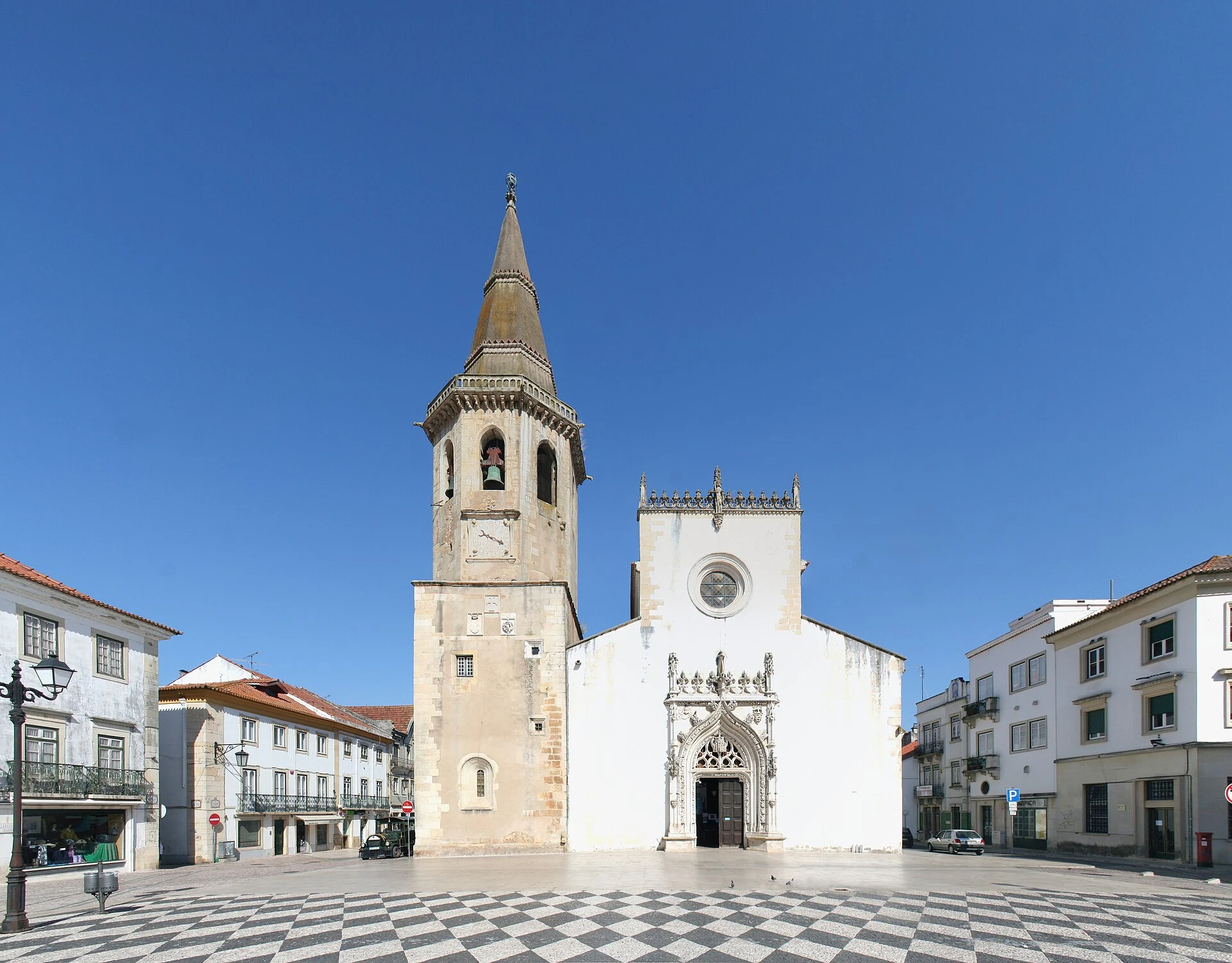
Facing Praça da República, Tomar’s principal church combines Gothic and Manueline work; its portal, tower and interior reflect the town’s importance in the fifteenth and sixteenth centuries.
View guide →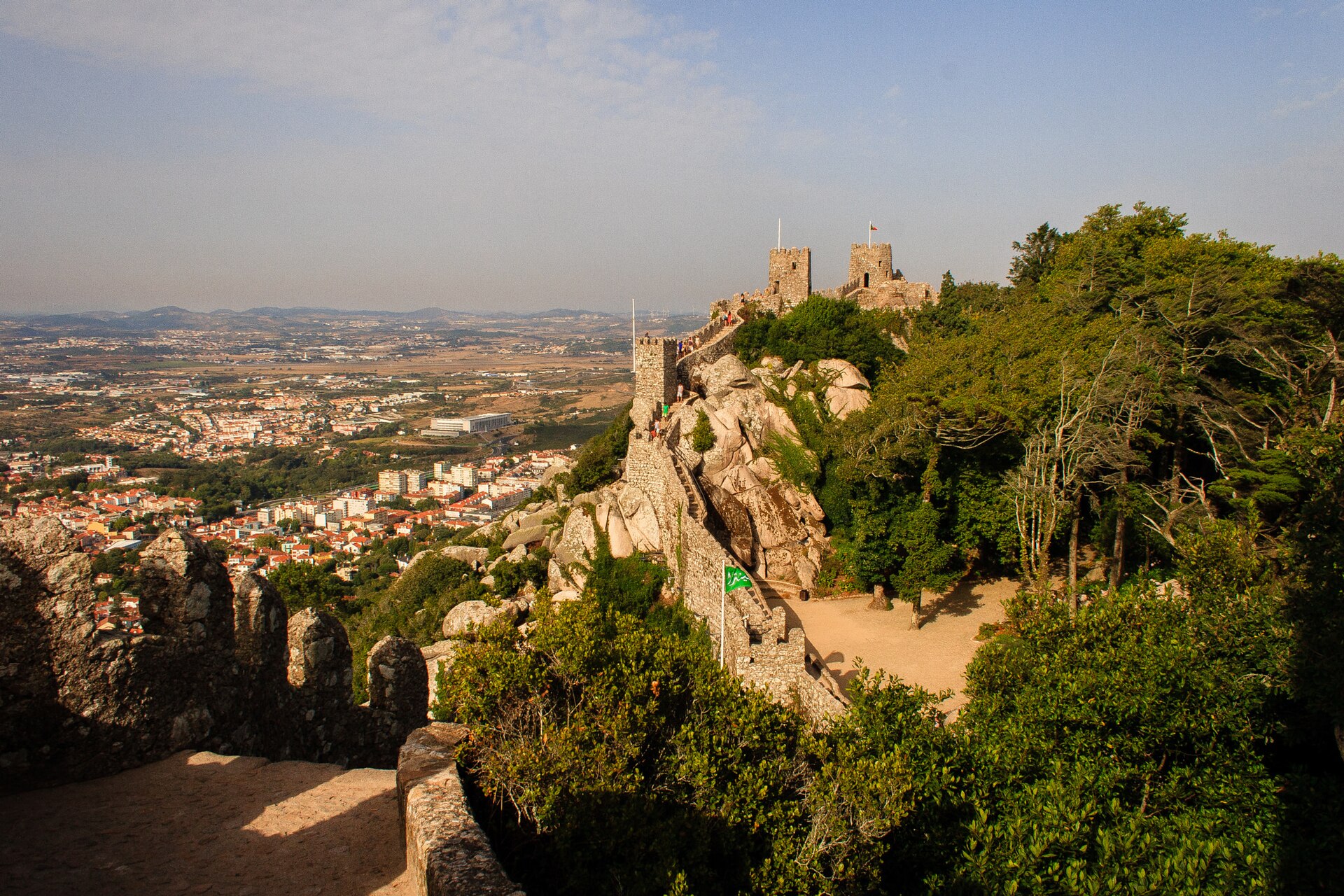
This Islamic-period fortification occupies granite ridges high in the Sintra hills, where exposed walls, stairs and viewpoints reveal its command of routes towards the coast and Lisbon.
View guide →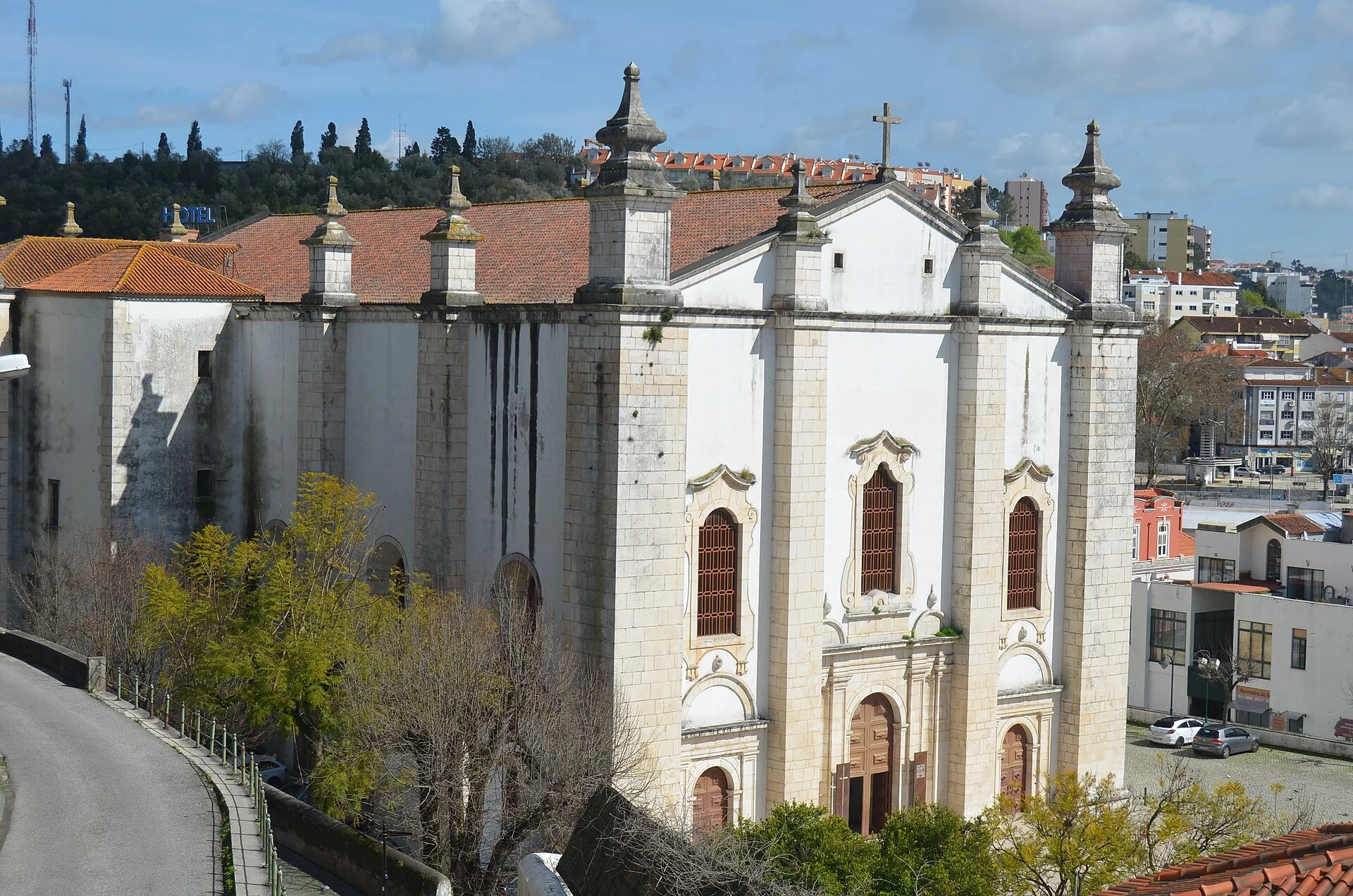
Built from the sixteenth century onwards, Leiria Cathedral presents a restrained Mannerist façade and interior in a position that links the city centre with the ascent to the castle.
View guide →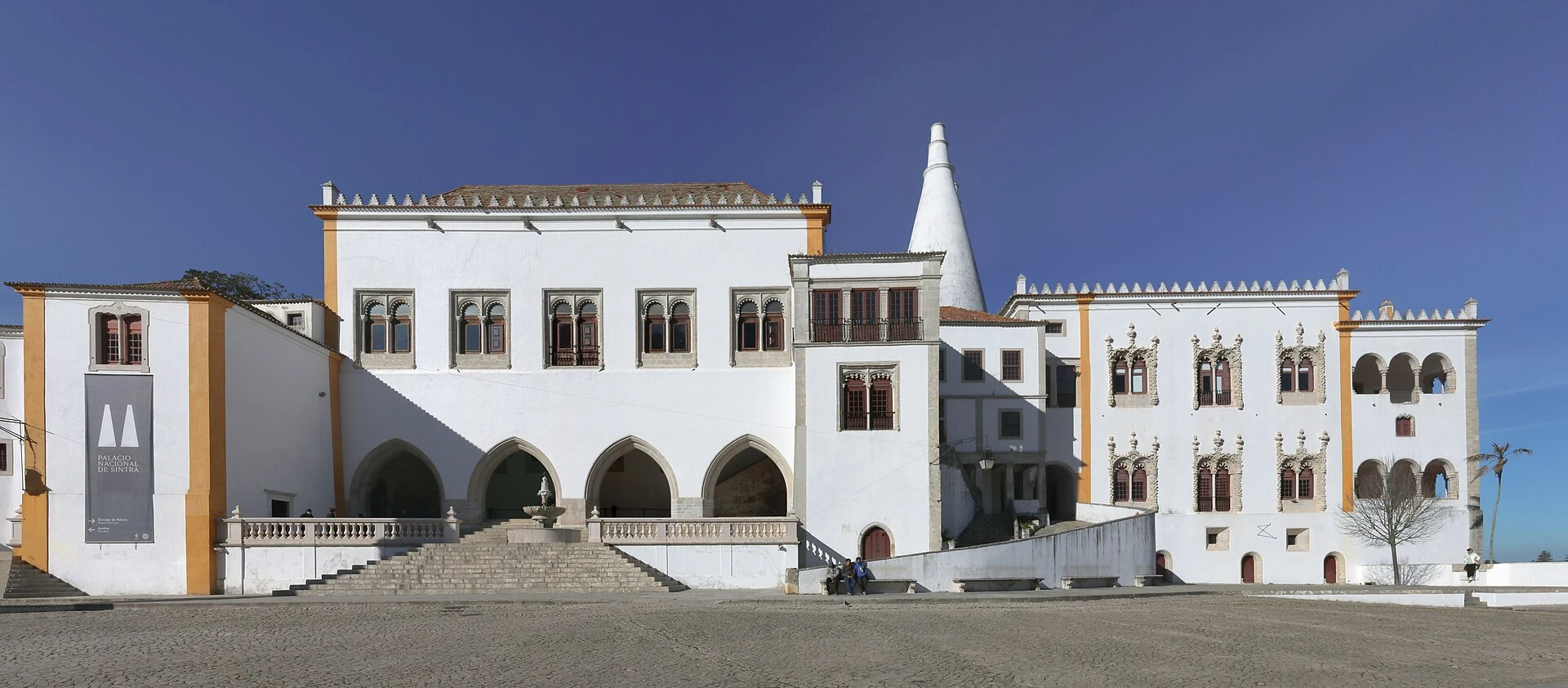
Used as a royal residence for centuries, the palace combines medieval, Manueline and later phases; the twin conical kitchen chimneys define the historic centre’s skyline.
View guide →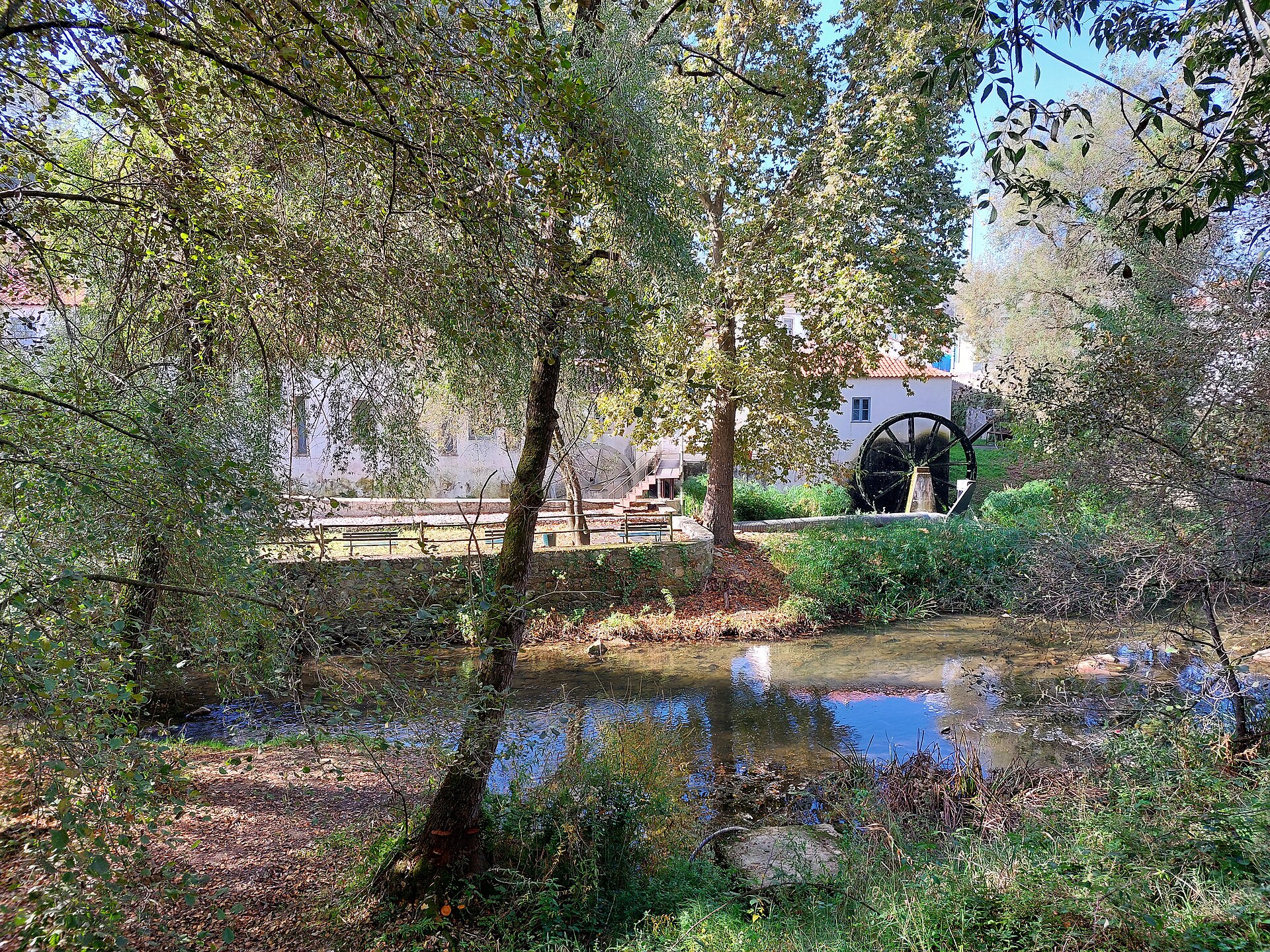
Beside the River Lis, this restored mill interprets cereal milling and paper production, an activity documented in Leiria since the early fifteenth century.
View guide →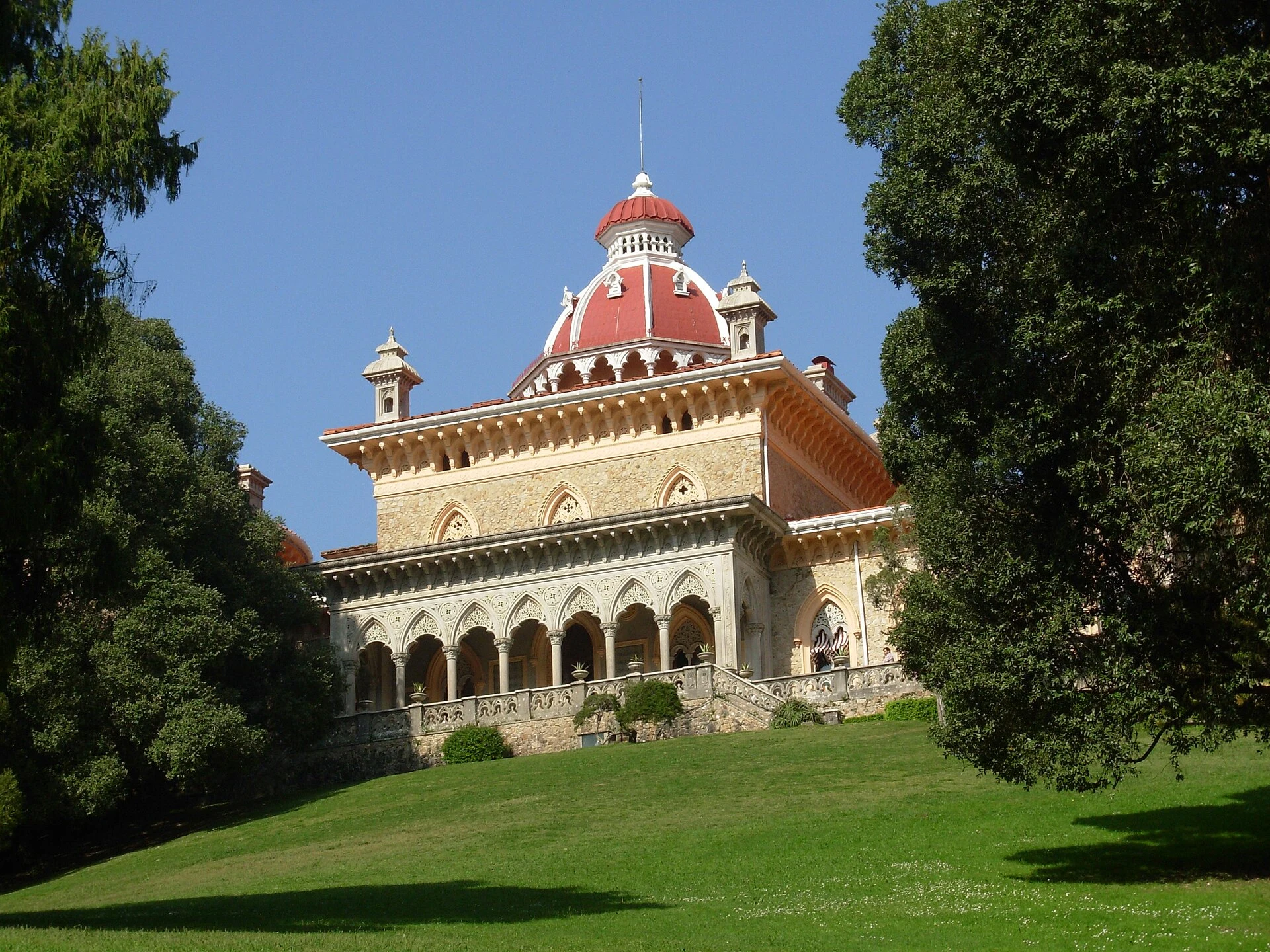
The Romantic palace associated with Francis Cook blends Gothic, Indian and Islamic references, while its park arranges plants from around the world in distinct botanical landscapes.
View guide →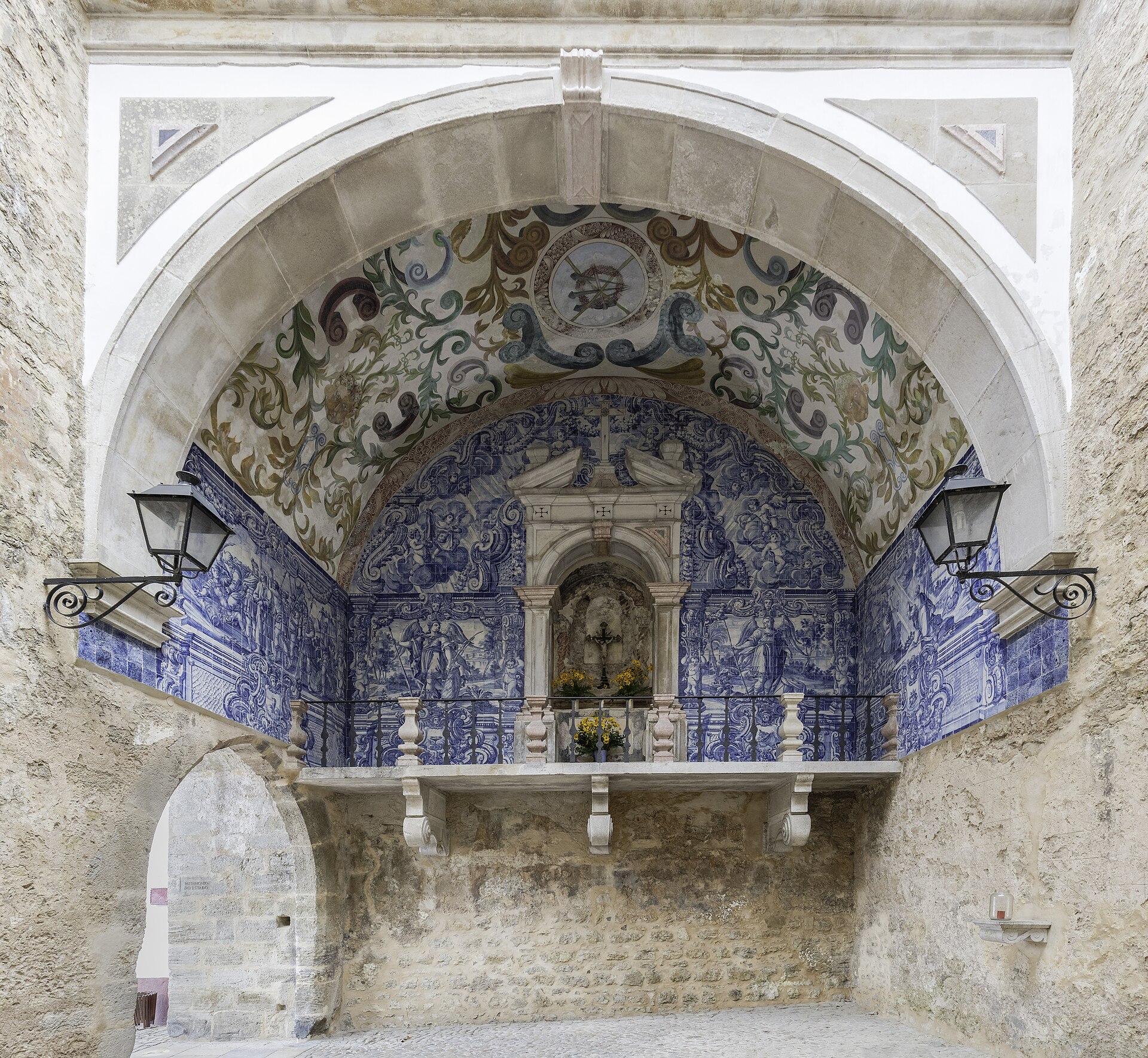
The main gateway into Óbidos uses an angled medieval defensive passage and contains an eighteenth-century tiled oratory dedicated to the Passion of Christ.
View guide →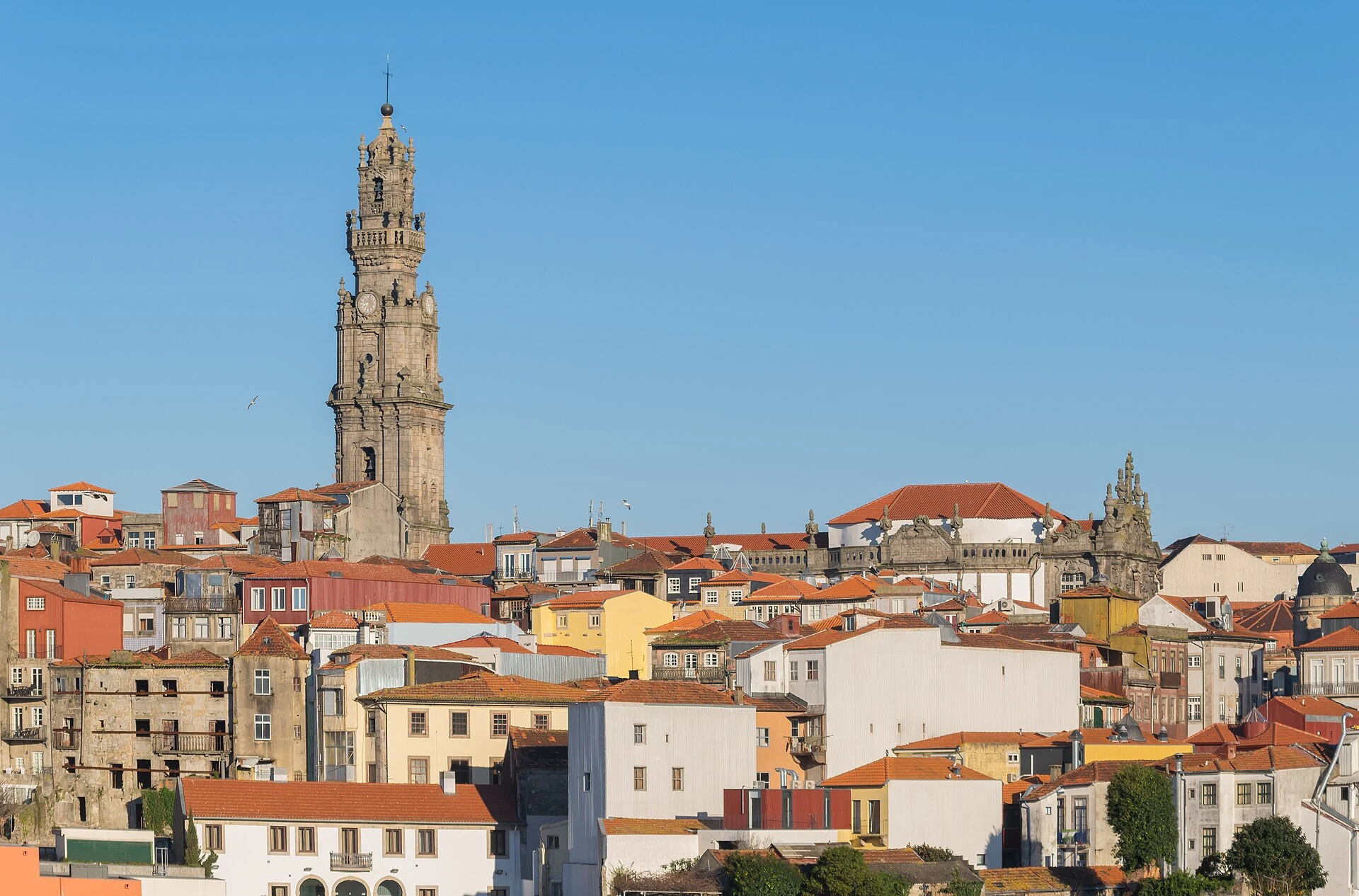
Designed by Nicolau Nasoni in the eighteenth century, this Baroque ensemble joins church, brotherhood house and the tower that became one of Porto’s principal landmarks.
View guide →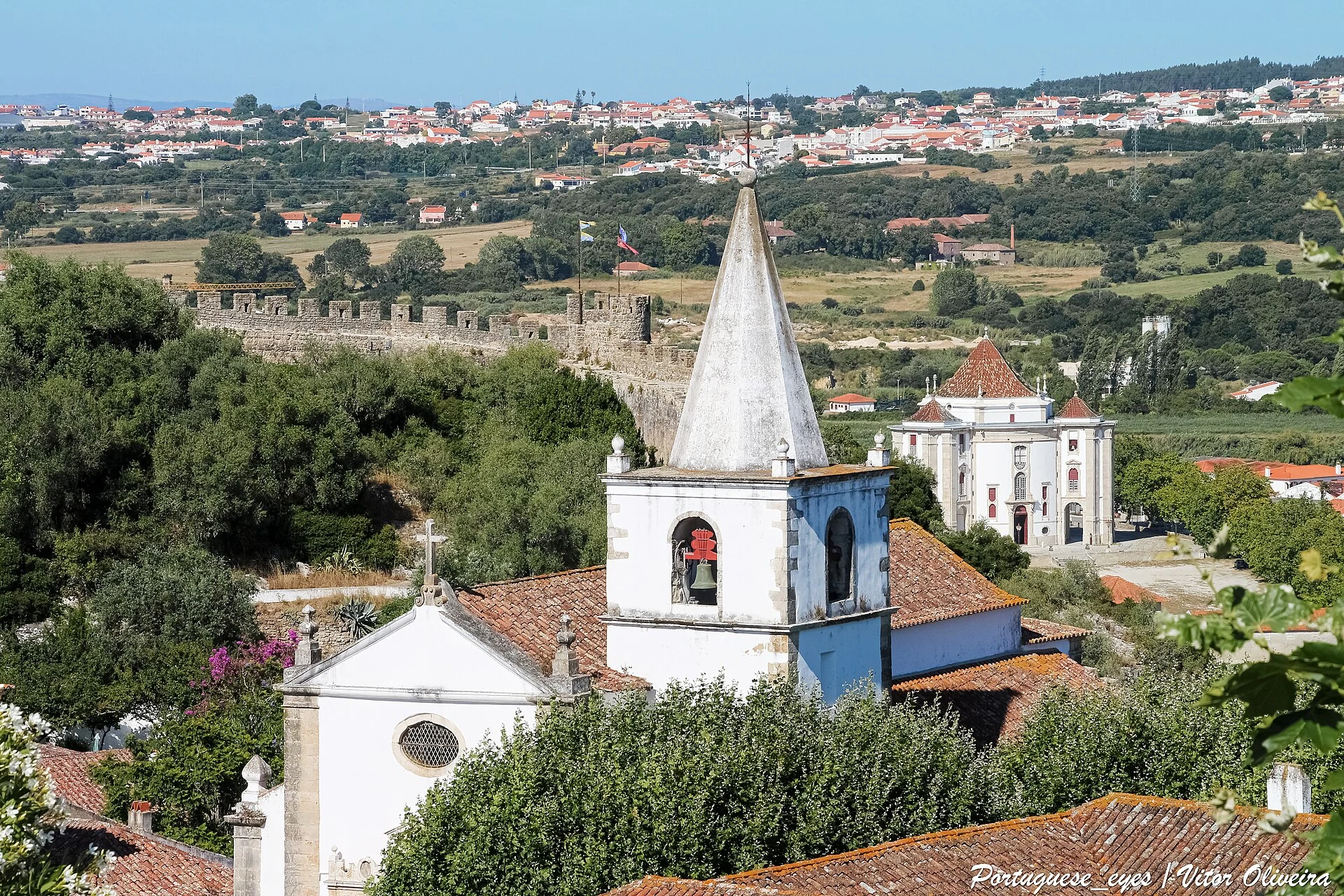
The principal church on Óbidos’s main square brings together work from several periods, including an extensive tiled interior and seventeenth-century painting associated with Josefa de Óbidos.
View guide →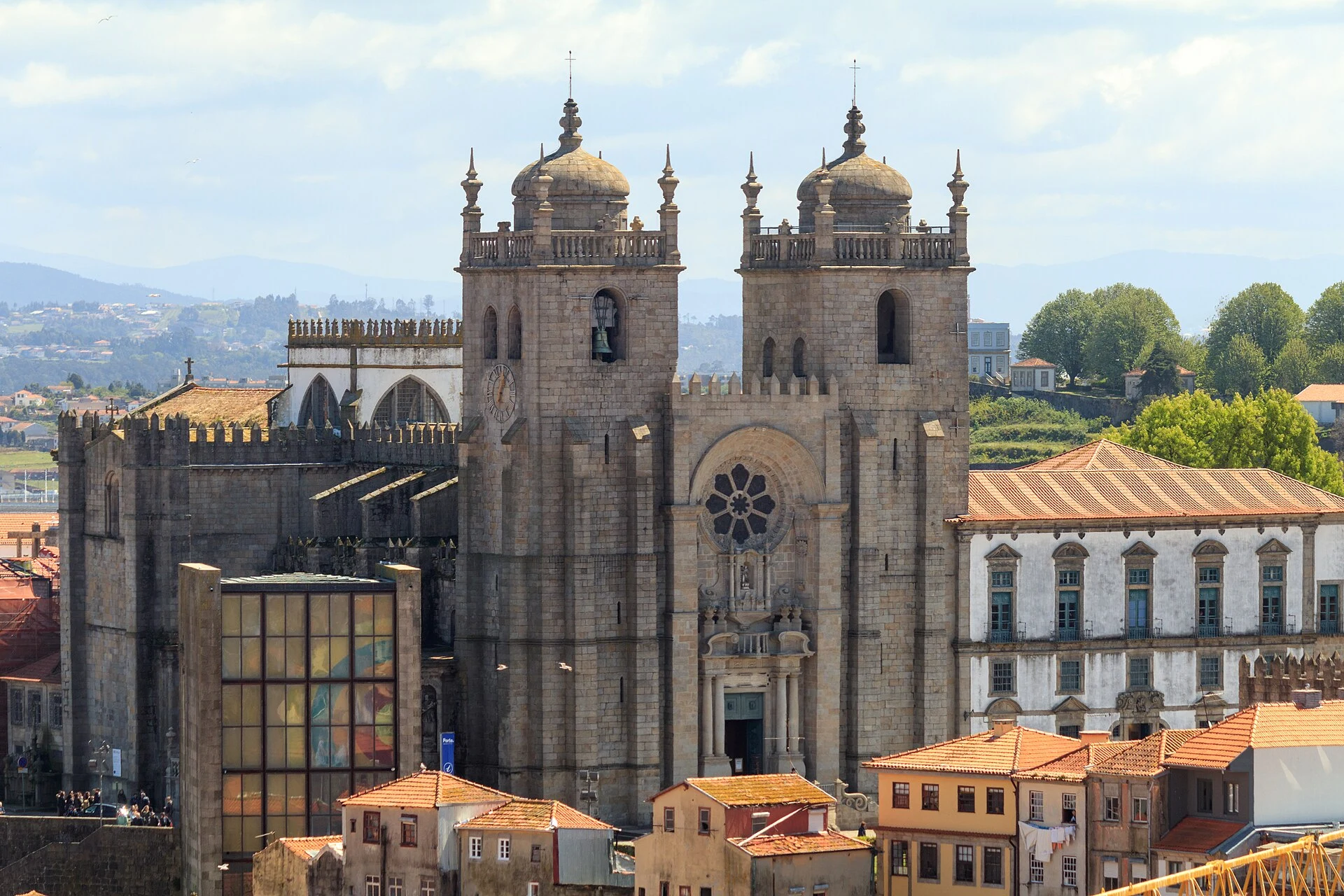
Developed from the Middle Ages onwards, Porto Cathedral combines Romanesque, Gothic and Baroque work; its elevated square opens a clear view across the historic city towards the Douro.
View guide →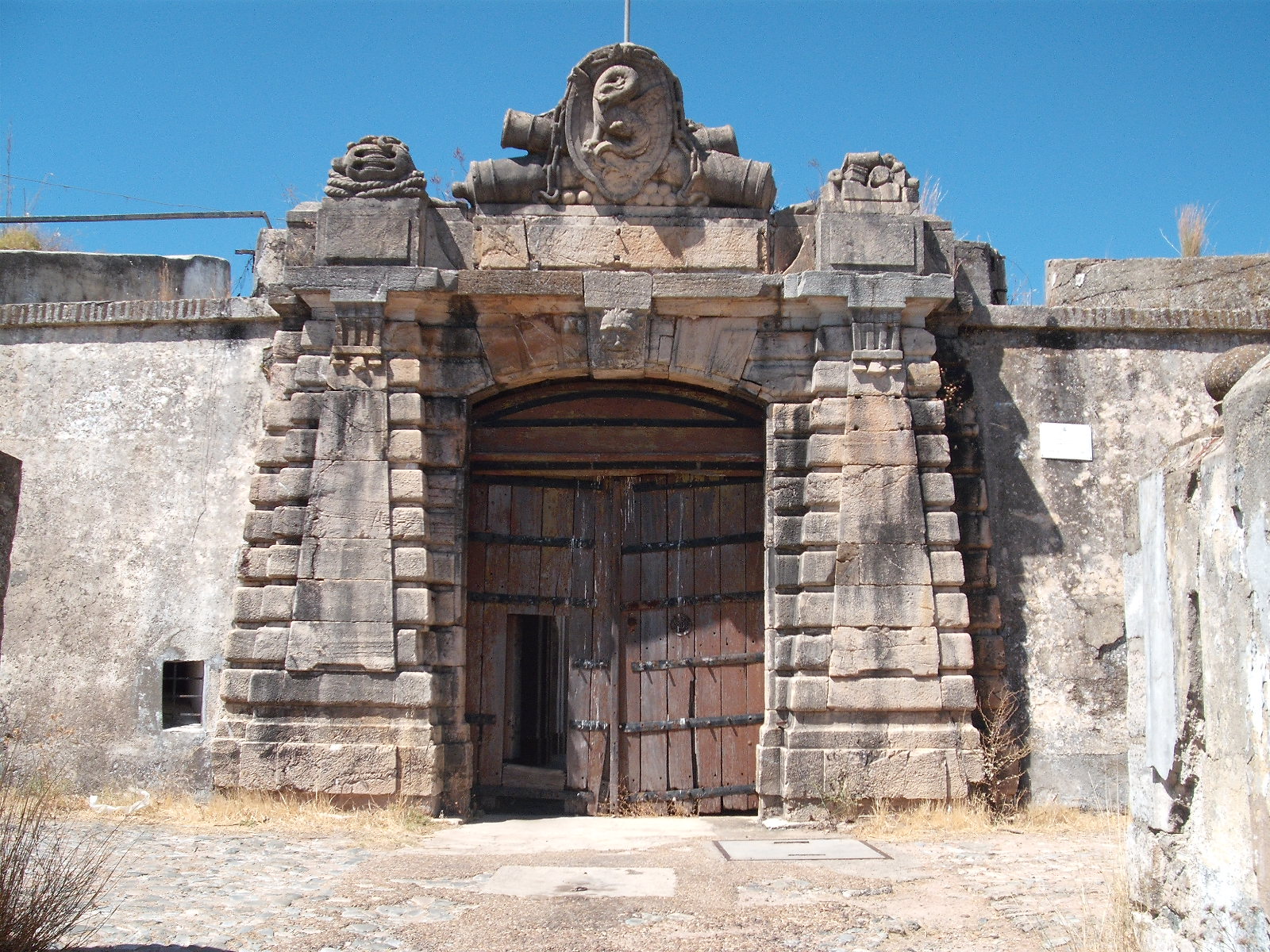
Built on Monte da Graça in the eighteenth century, this vast bastioned fortress combines outworks, a main enclosure and a powerful central redoubt above Elvas.
View guide →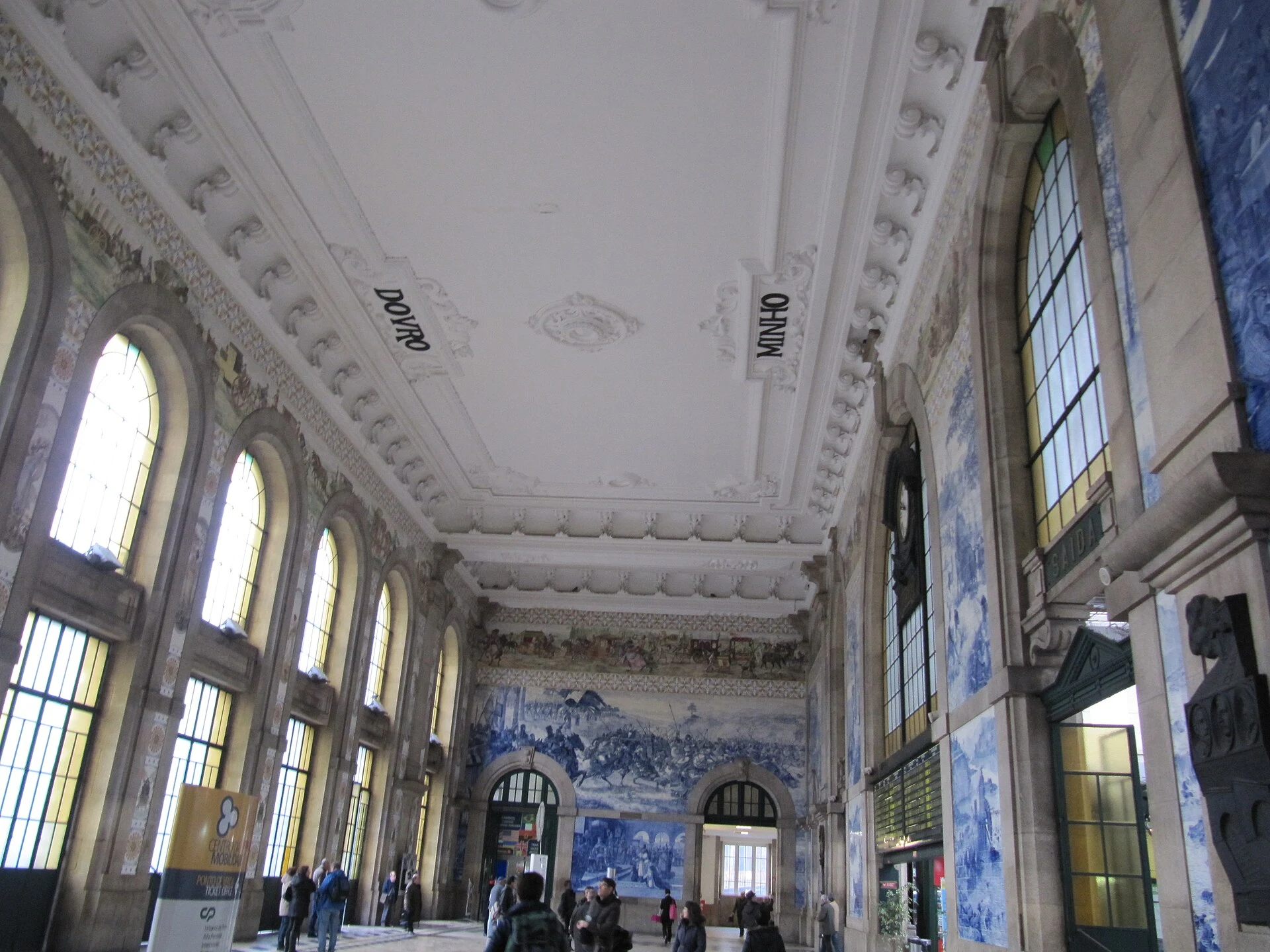
Opened in the early twentieth century on the site of São Bento de Avé-Maria convent, the station is renowned for Jorge Colaço’s tiled scenes of Portuguese history and regional life.
View guide →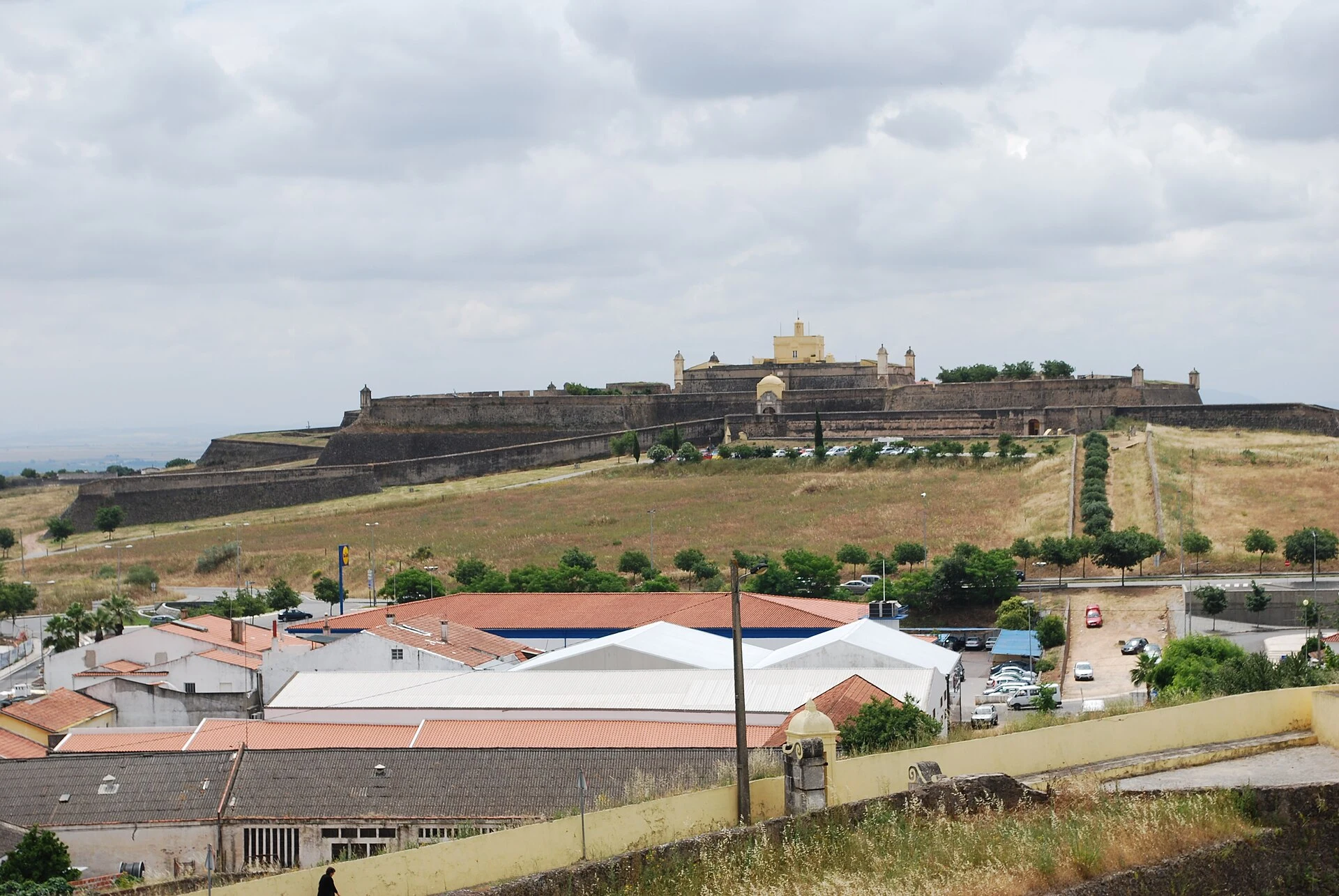
Built in the seventeenth century to reinforce Portugal’s frontier, this star-shaped fortress combines bastions, ravelins, ditches and a central enclosure now housing a military museum.
View guide →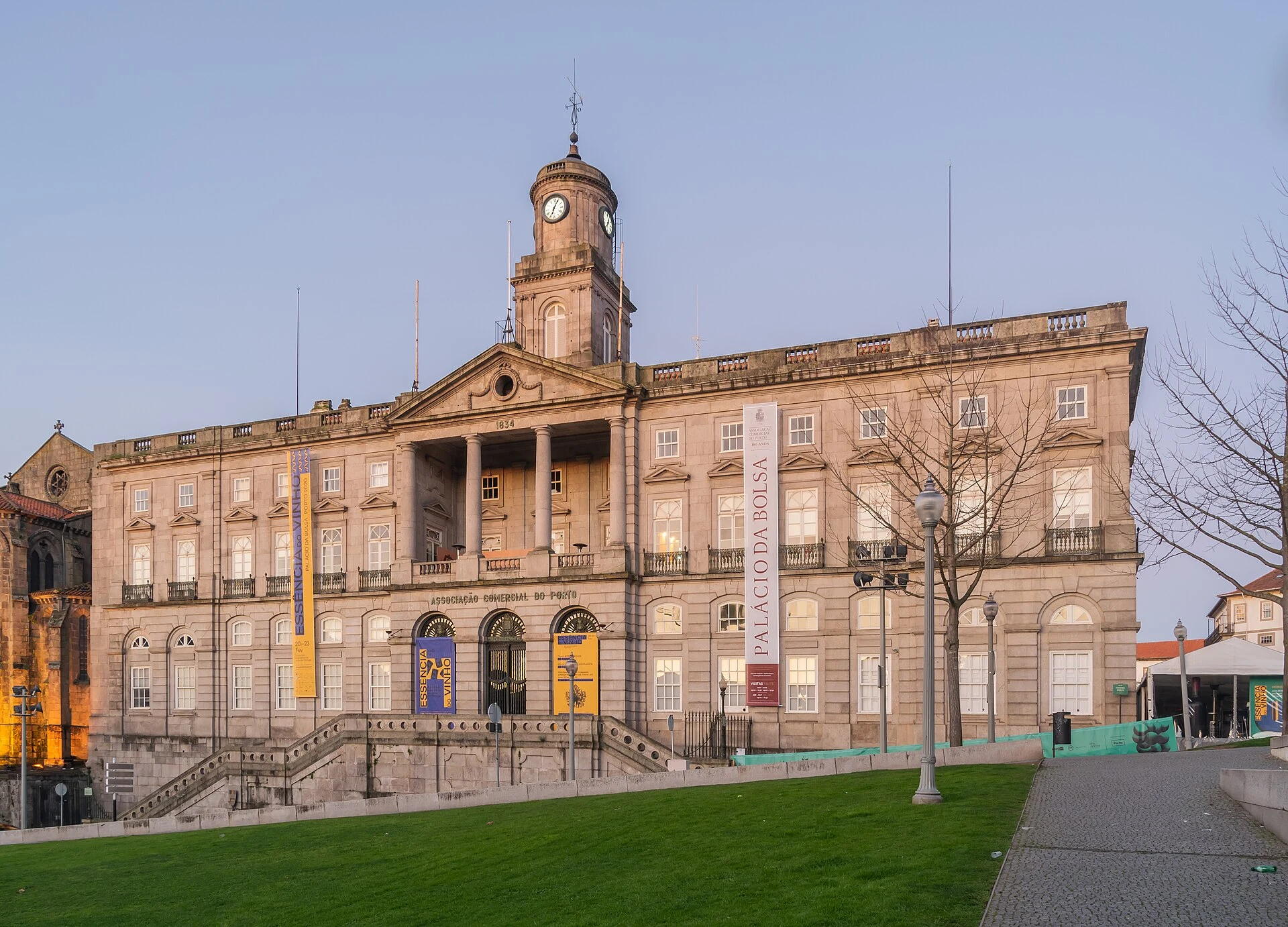
Built for Porto’s Commercial Association from the nineteenth century onwards, the palace links formal reception spaces including the Nations Courtyard and the richly decorated Arab Room.
View guide →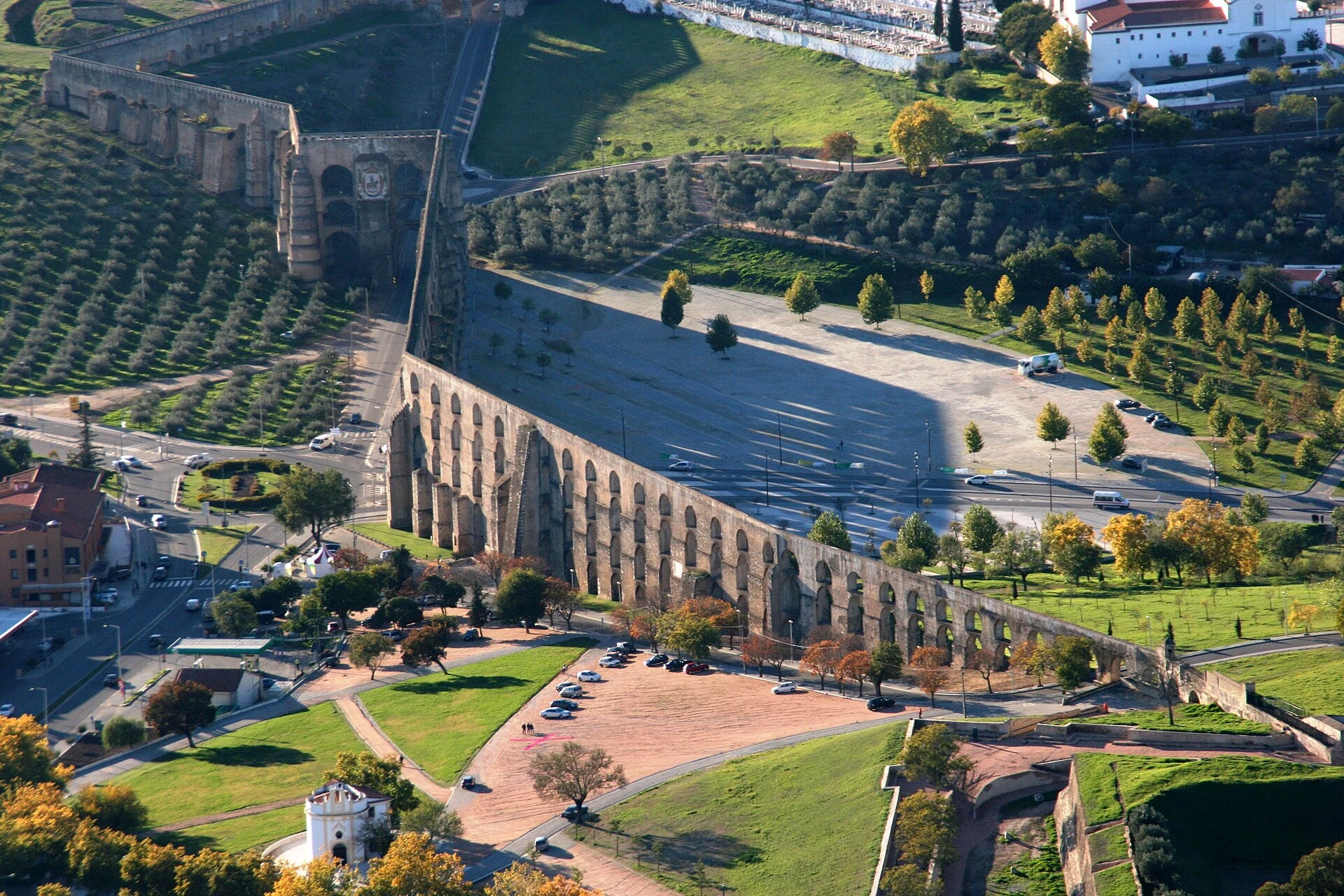
Built between the sixteenth and seventeenth centuries to supply Elvas, the aqueduct extends for kilometres and rises to four tiers of arches in its monumental approach to the city.
View guide →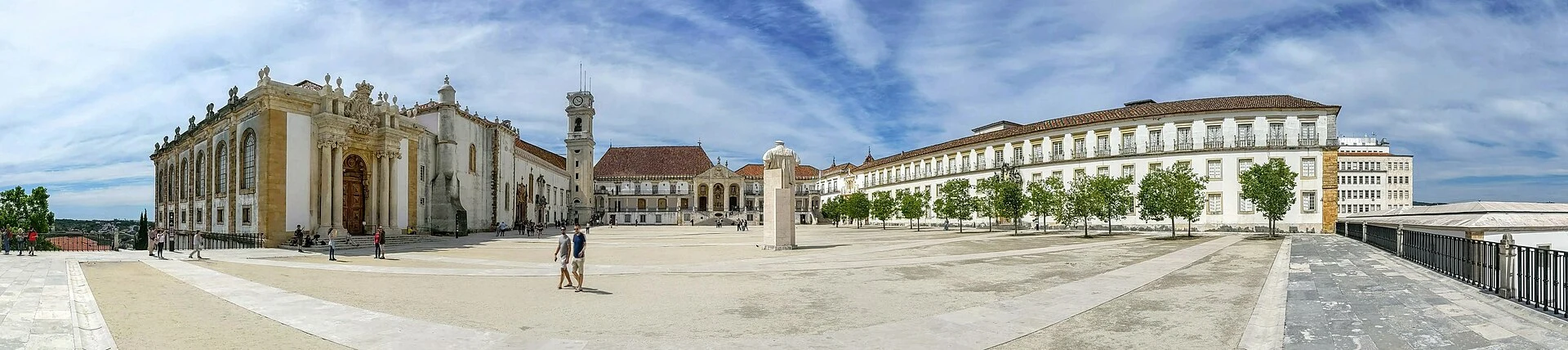
Occupying Coimbra’s former royal palace, Paço das Escolas is the ceremonial heart of the university founded in 1290 and part of the UNESCO-listed University of Coimbra — Alta and Sofia.
View guide →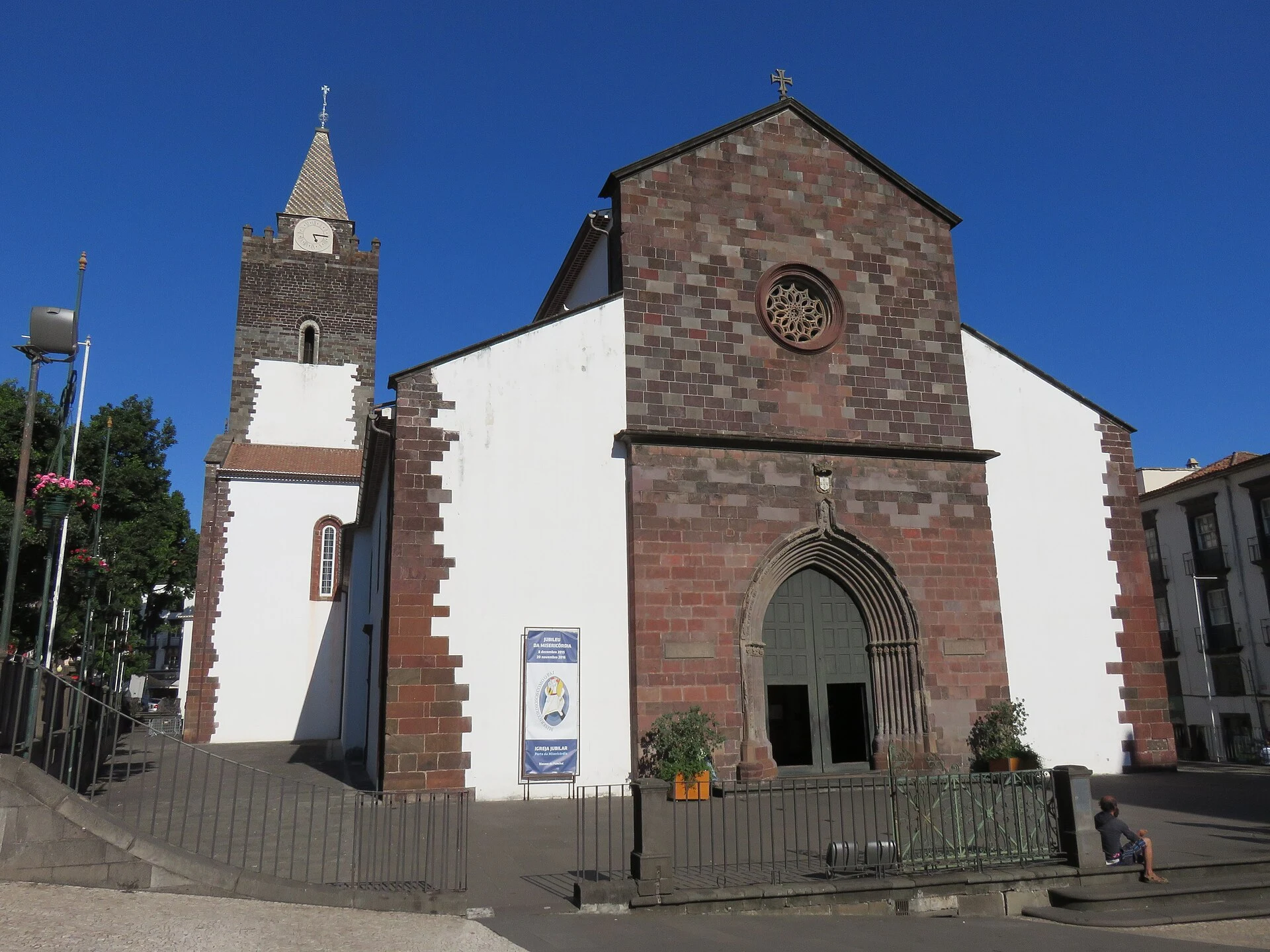
Completed in the early sixteenth century, Funchal Cathedral preserves a Gothic structure and an exceptional Mudéjar wooden ceiling that reflects the city’s early Atlantic prosperity.
View guide →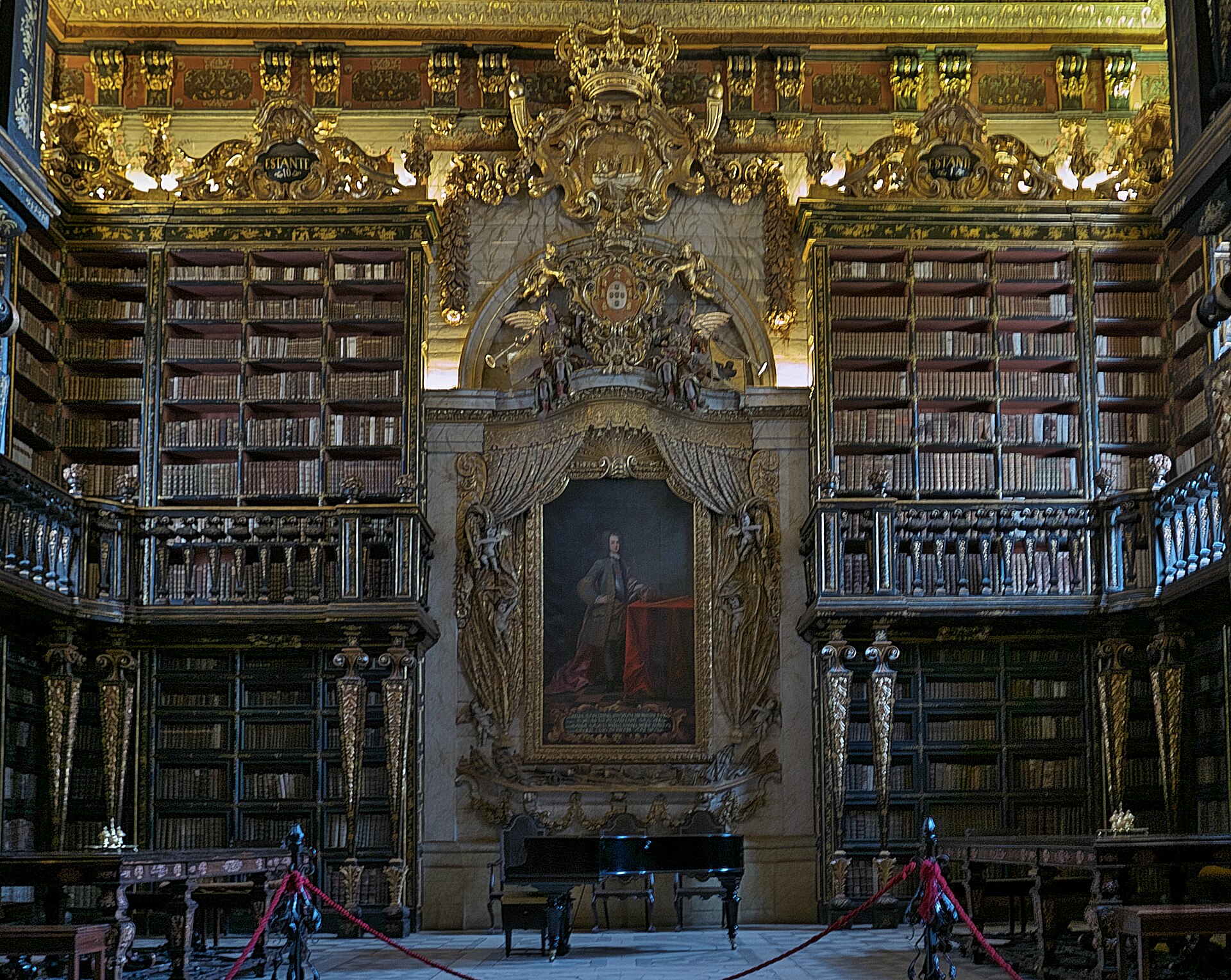
Built during the reign of João V, this eighteenth-century Baroque library unfolds through three rooms lined with bookshelves, gilded carving and painted decoration.
View guide →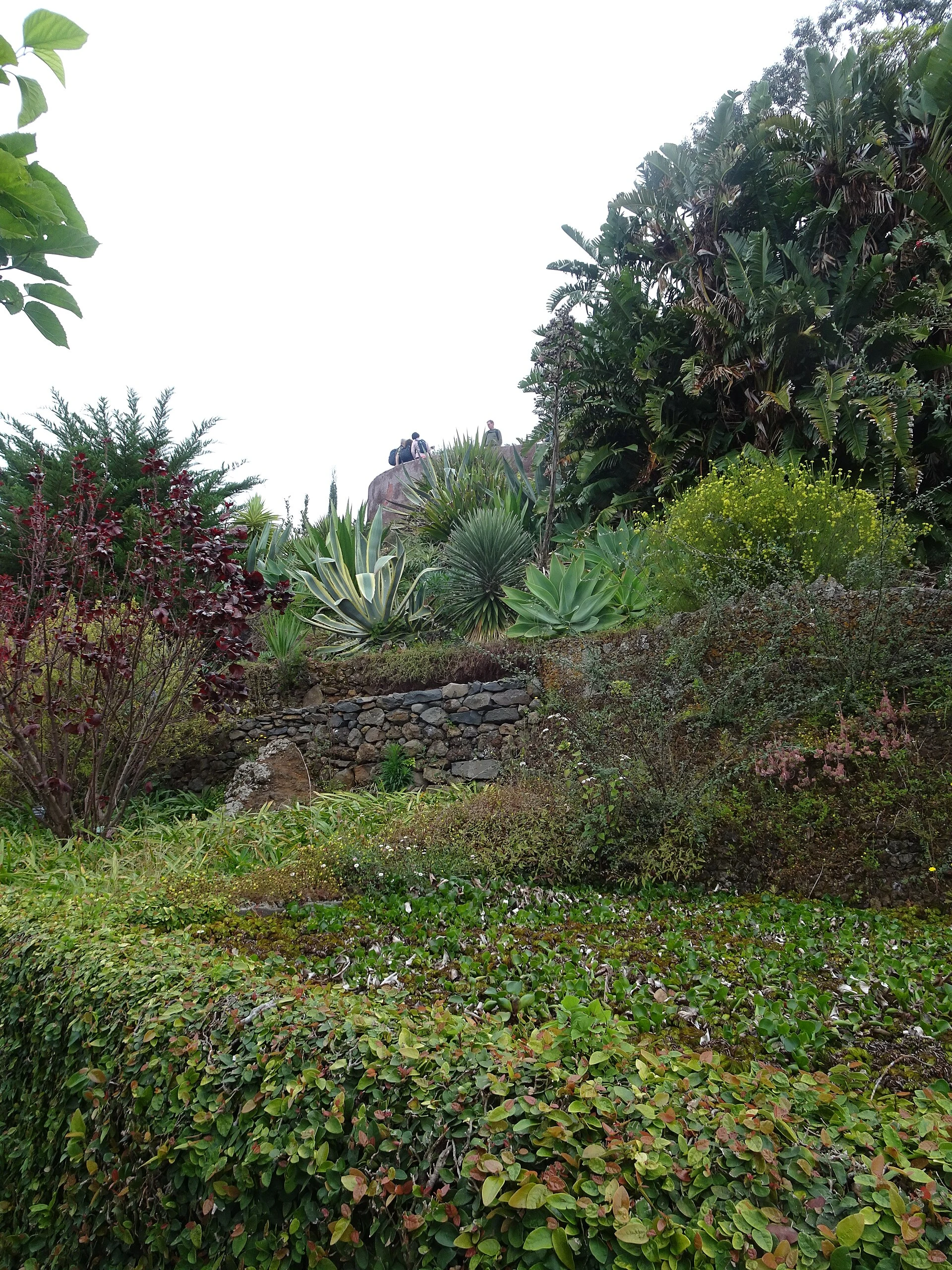
Created in 1960 at Quinta do Bom Sucesso, Madeira’s Botanical Garden combines native and international plant collections, ornamental terraces and views across Funchal’s natural amphitheatre.
View guide →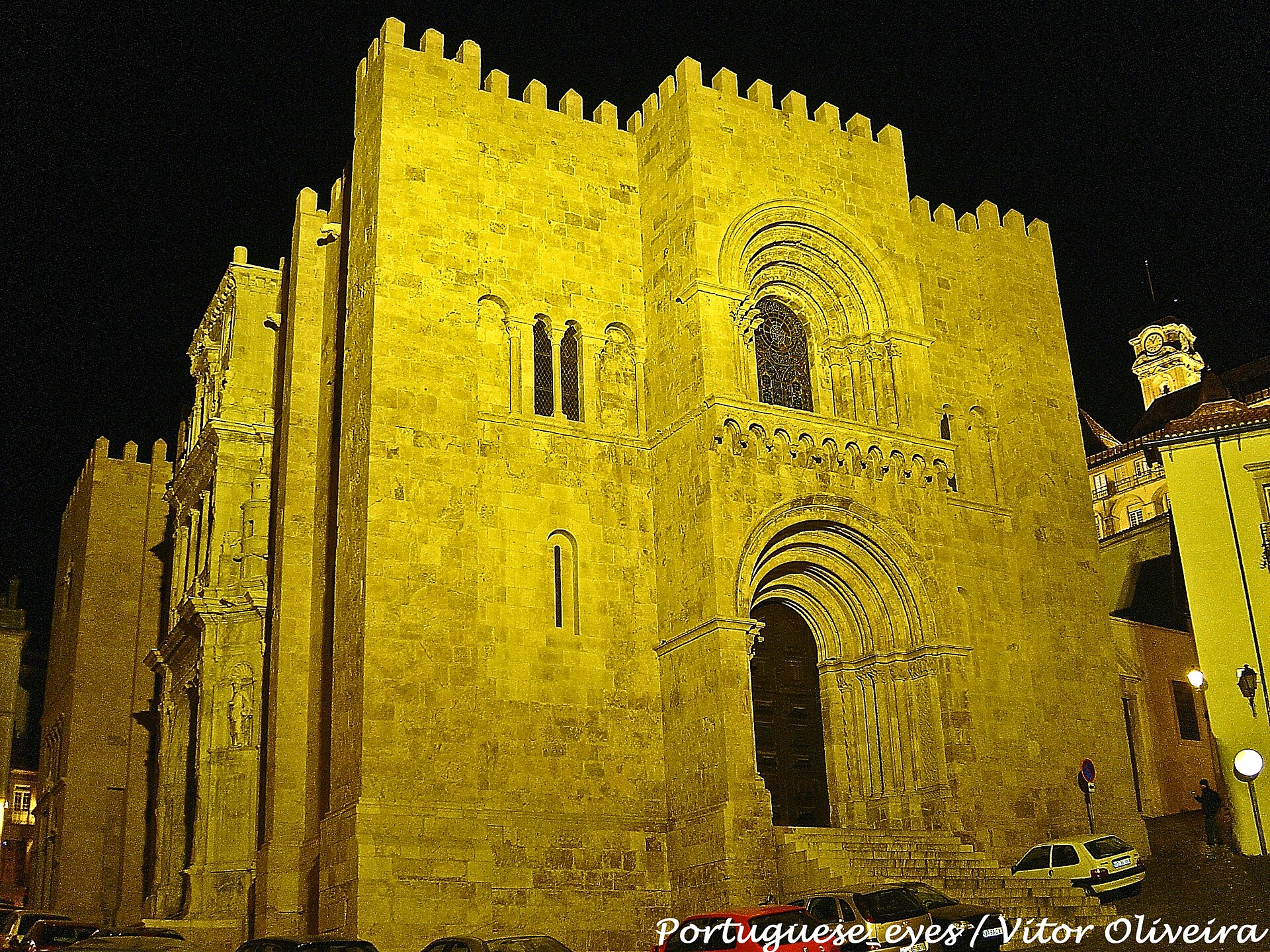
Begun in the twelfth century, Coimbra’s Old Cathedral retains its powerful Romanesque, fortress-like character alongside a Gothic cloister and later artistic interventions.
View guide →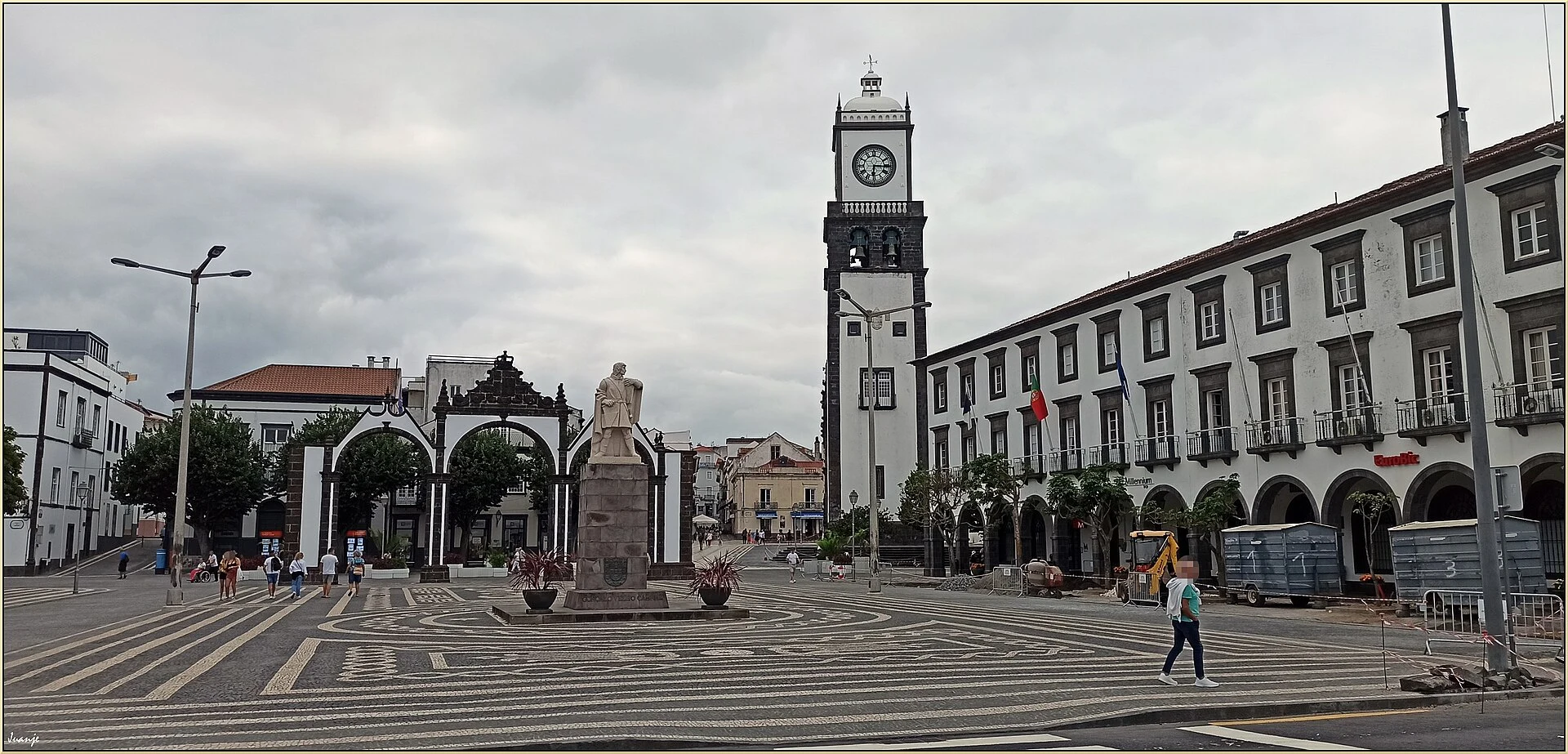
Built in contrasting basalt and pale stone, the three arches were moved to Gonçalo Velho Square in the twentieth century and remain Ponta Delgada’s best-known civic symbol.
View guide →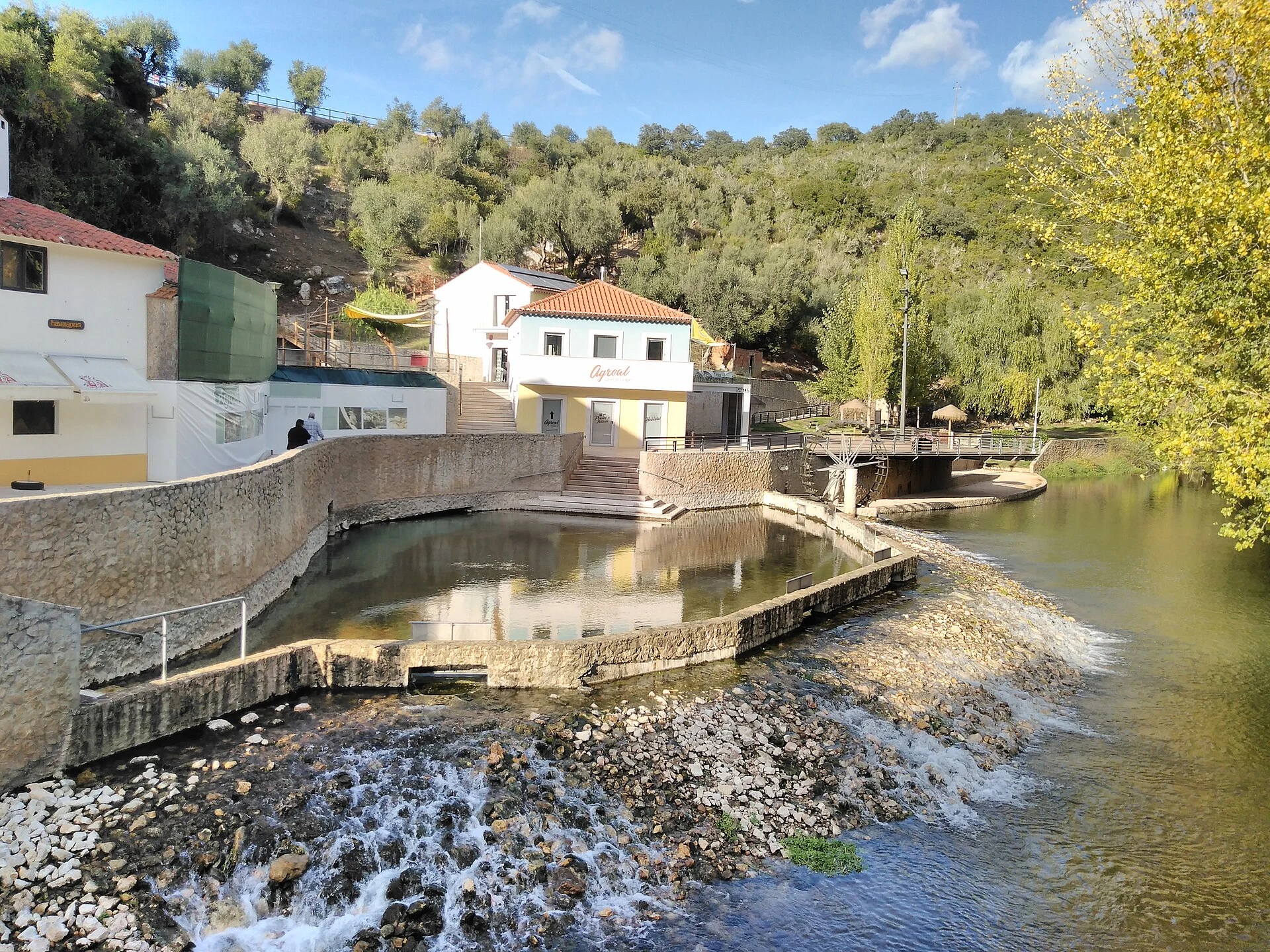
The Nabão spring, cold water and a short boardwalk between Ourém and Tomar.
View guide →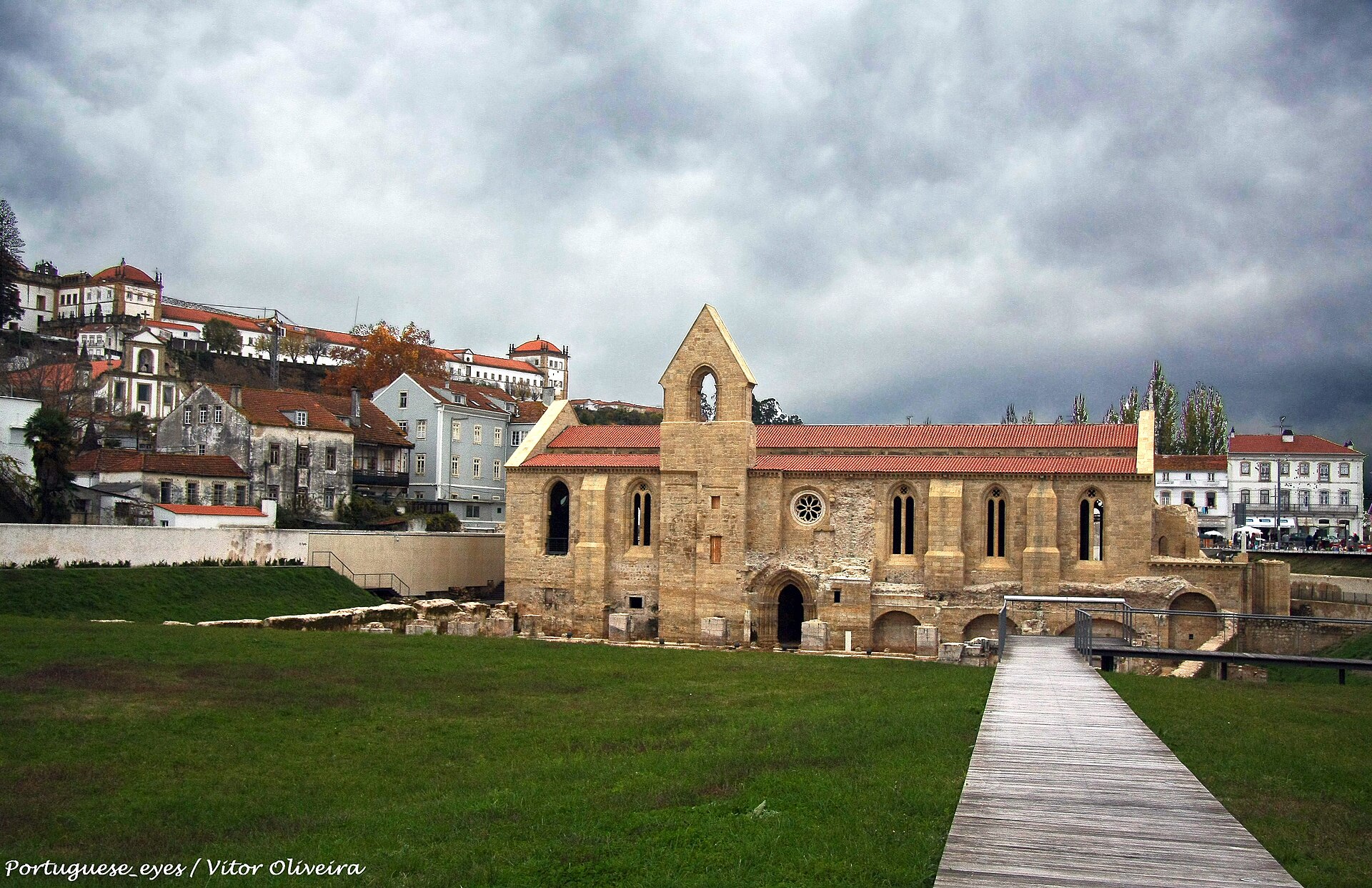
Founded beside the Mondego in the fourteenth century, the monastery endured repeated flooding before its seventeenth-century abandonment; archaeology now reveals its church, cloister and convent life.
View guide →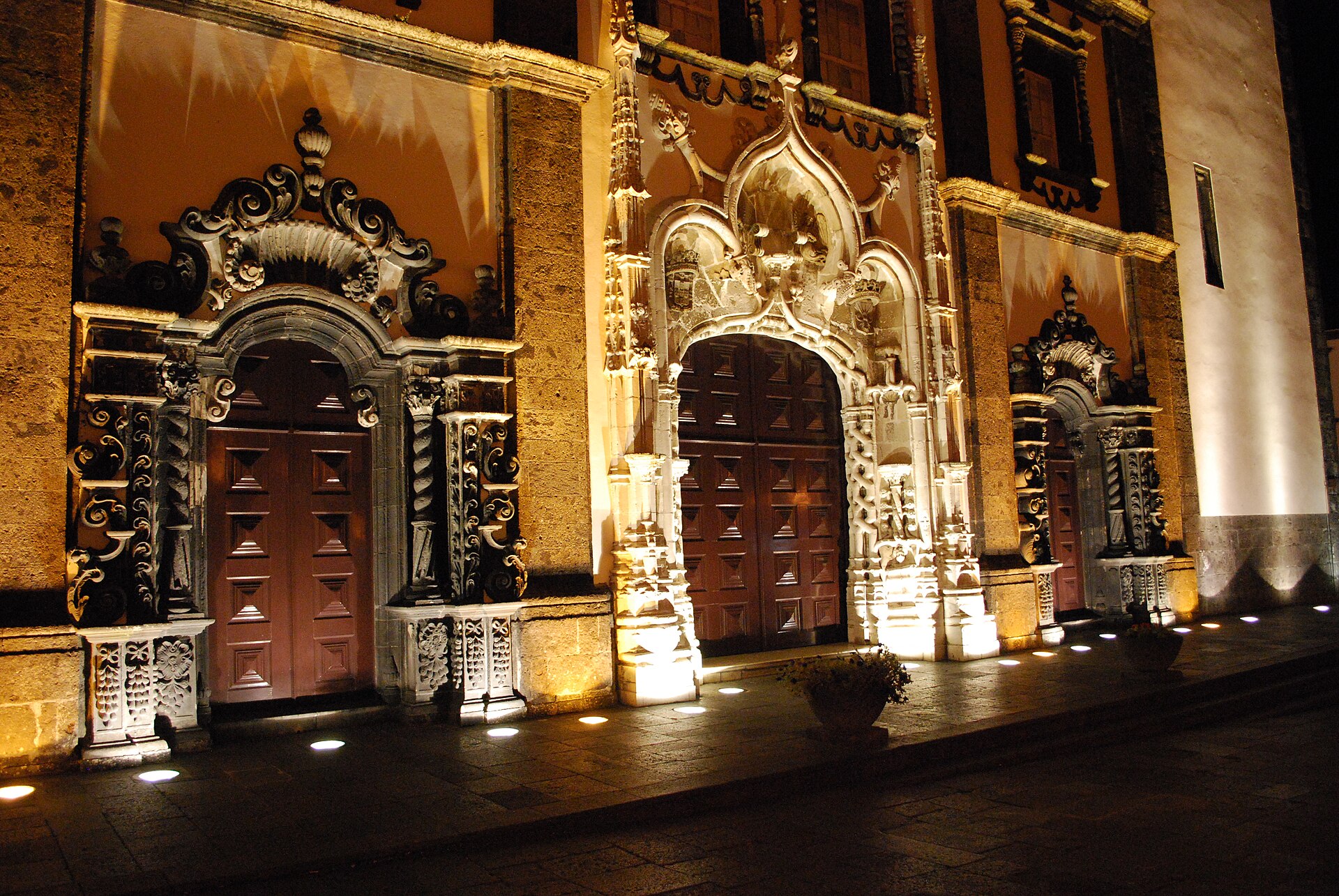
Developed from the sixteenth century onwards, Ponta Delgada’s parish church combines Manueline work with later Baroque interventions and richly carved volcanic-stone portals.
View guide →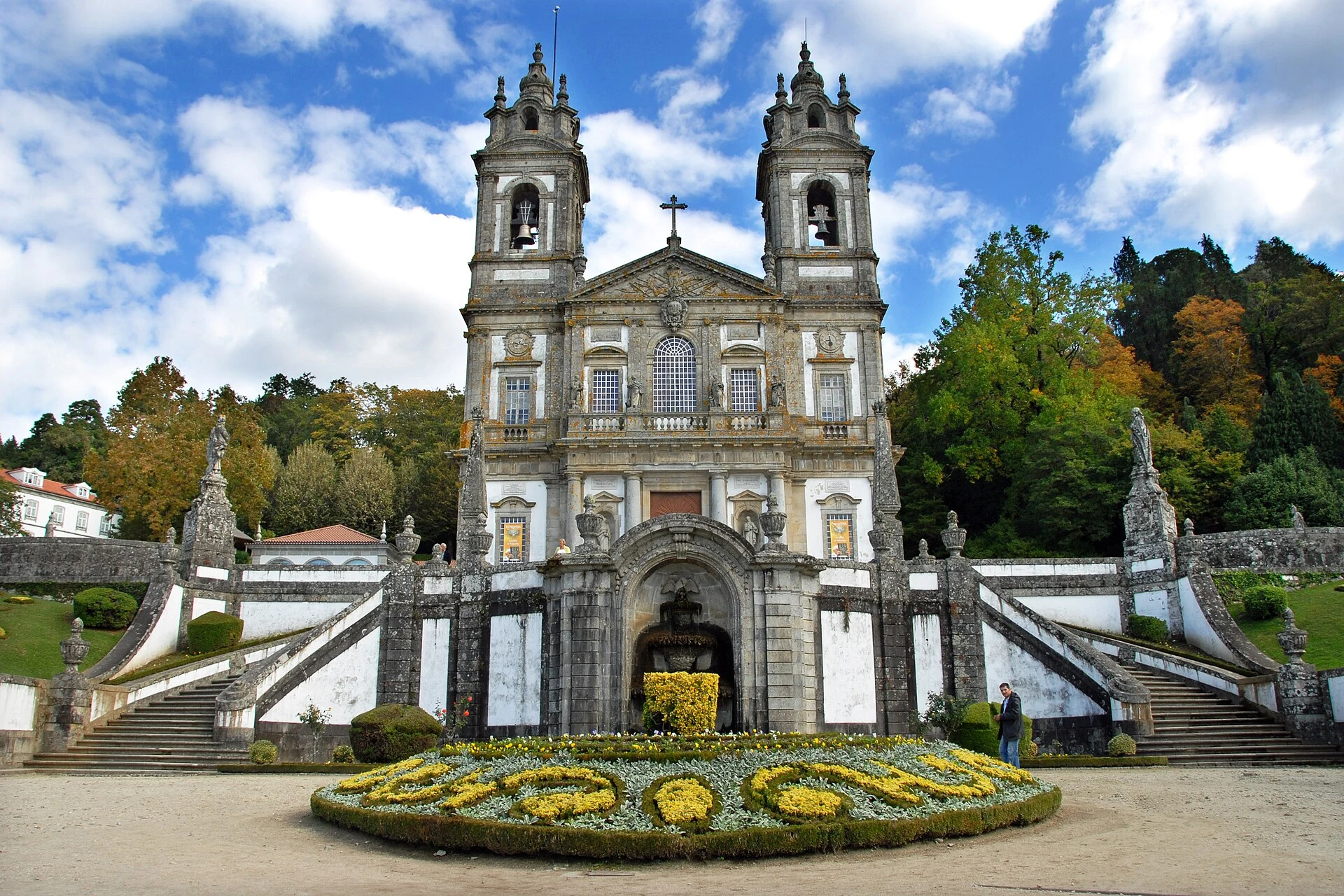
Climbing a hillside above Braga, the sanctuary unfolds through stairways, chapels, fountains and gardens in a Baroque sacred landscape inscribed by UNESCO in 2019.
View guide →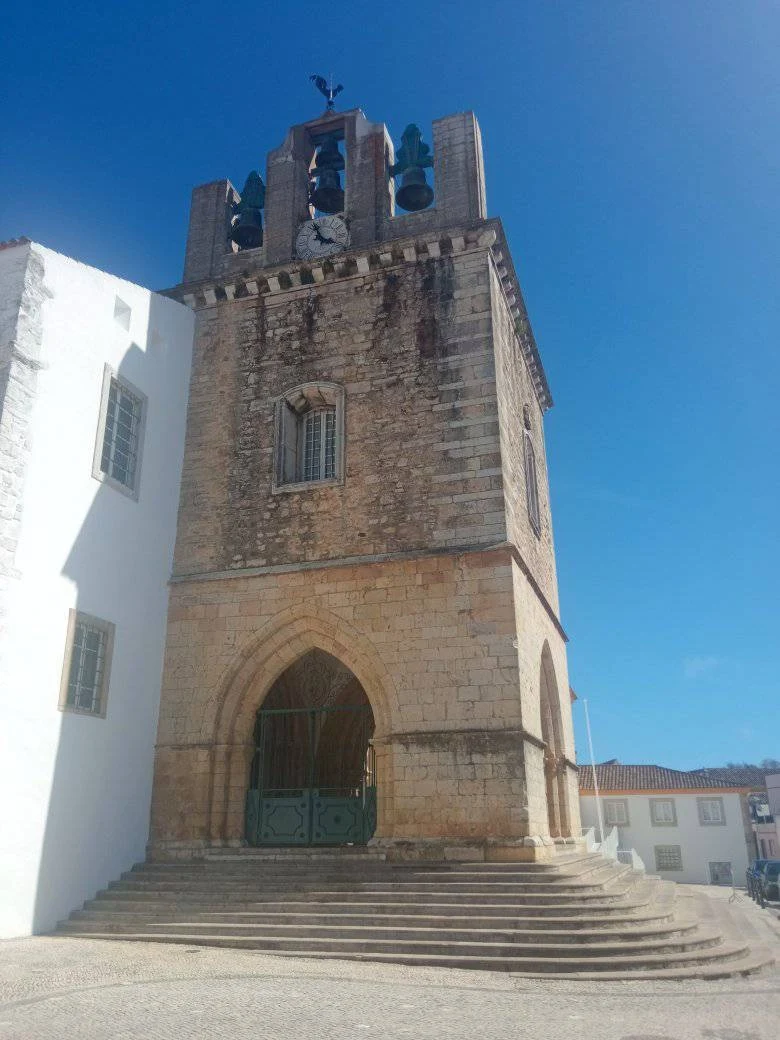
Within Faro’s walled Vila Adentro, the cathedral bears the marks of rebuilding after attacks and earthquakes, with chapels, gilded carving, tiles and a tower overlooking Ria Formosa.
View guide →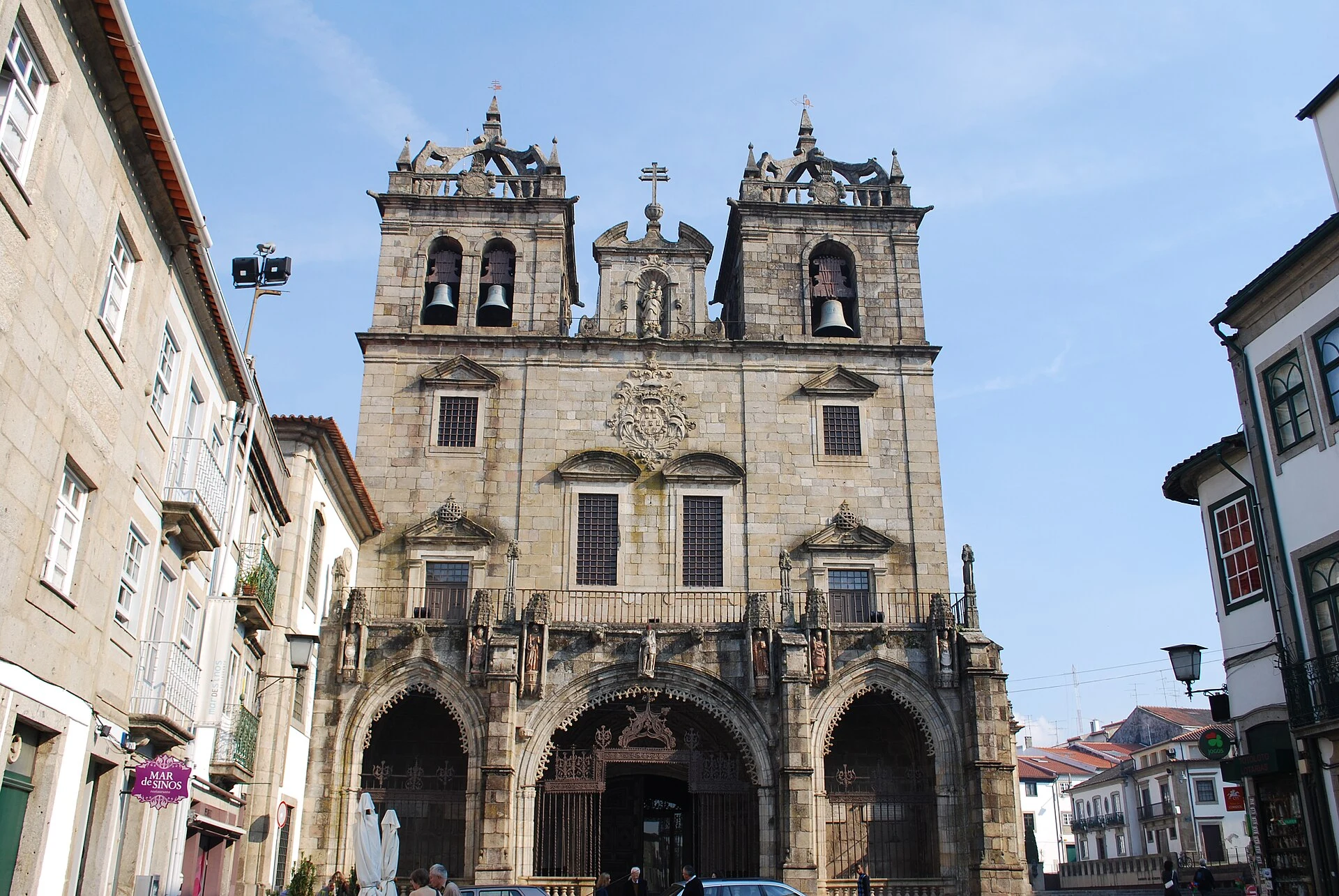
Closely tied to the origins of Braga’s diocese and medieval city, the cathedral brings together Romanesque, Gothic, Manueline and Baroque campaigns, chapels and a historic treasury.
View guide →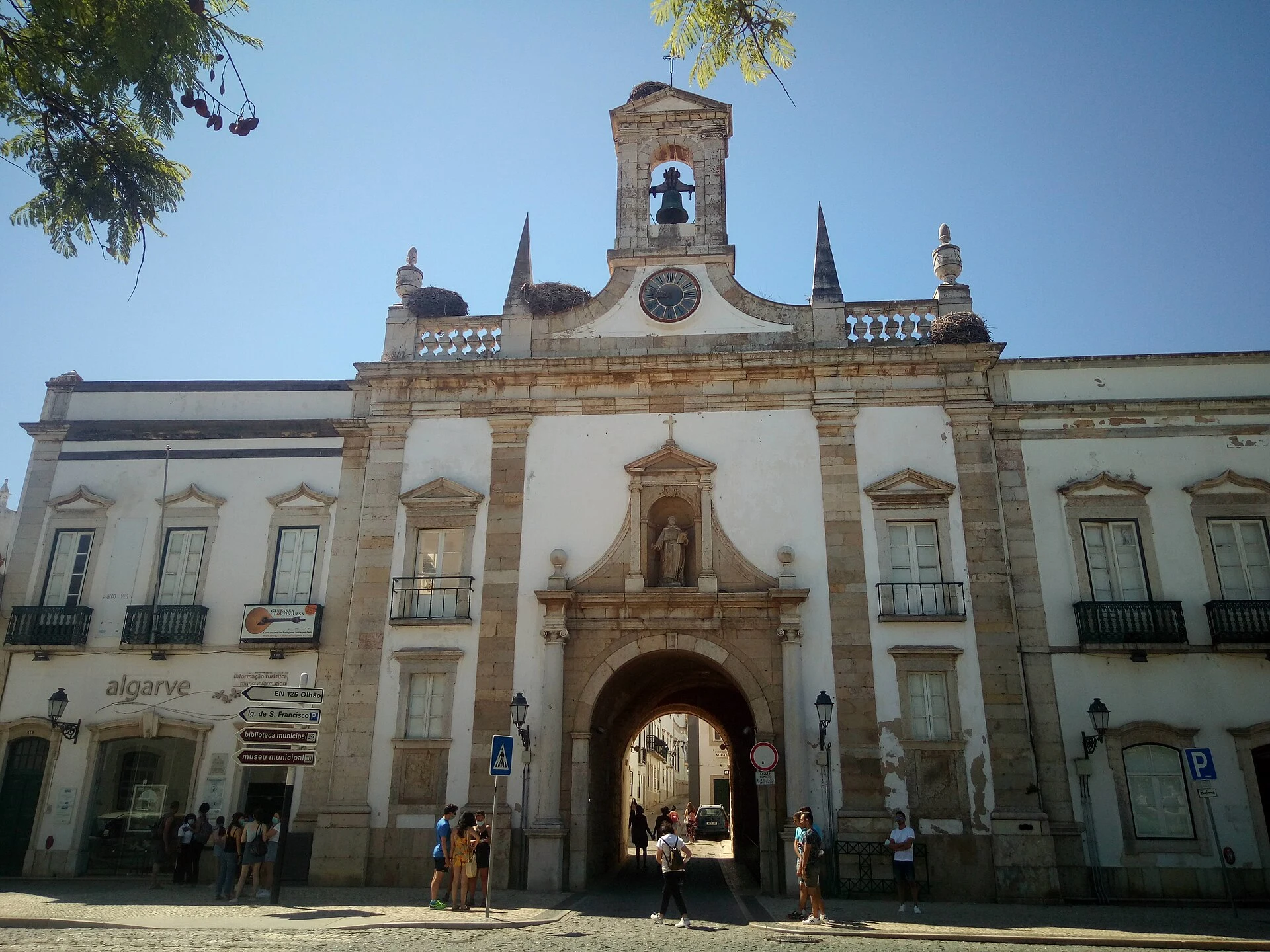
Opened in the early nineteenth century, Faro’s Neoclassical gateway incorporates an older medieval entrance and leads into the walled historic quarter of Vila Adentro.
View guide →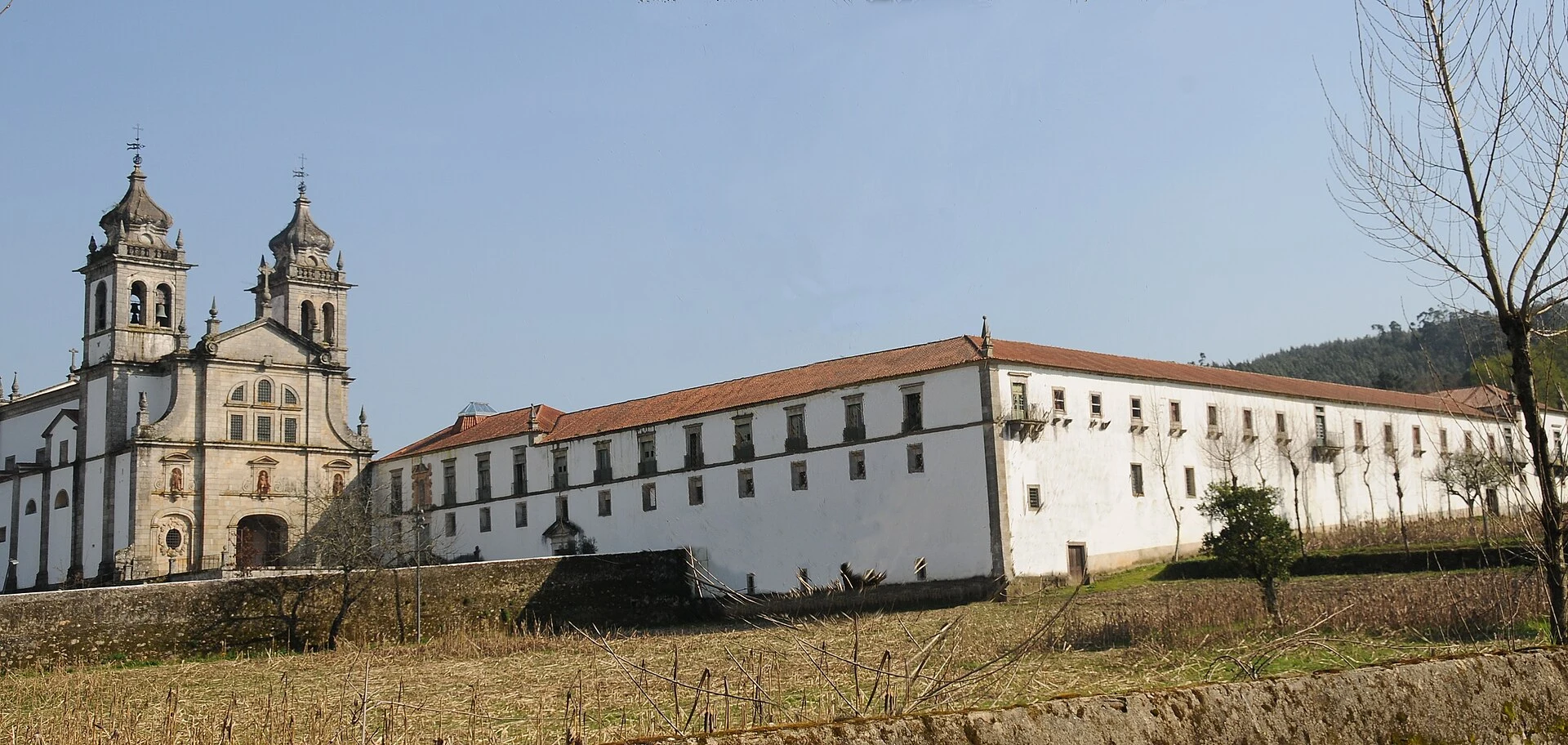
Mother house of the Portuguese Benedictine Congregation from the sixteenth century, Tibães preserves a church, monastic wings, enclosure and an outstanding programme of Baroque decoration.
View guide →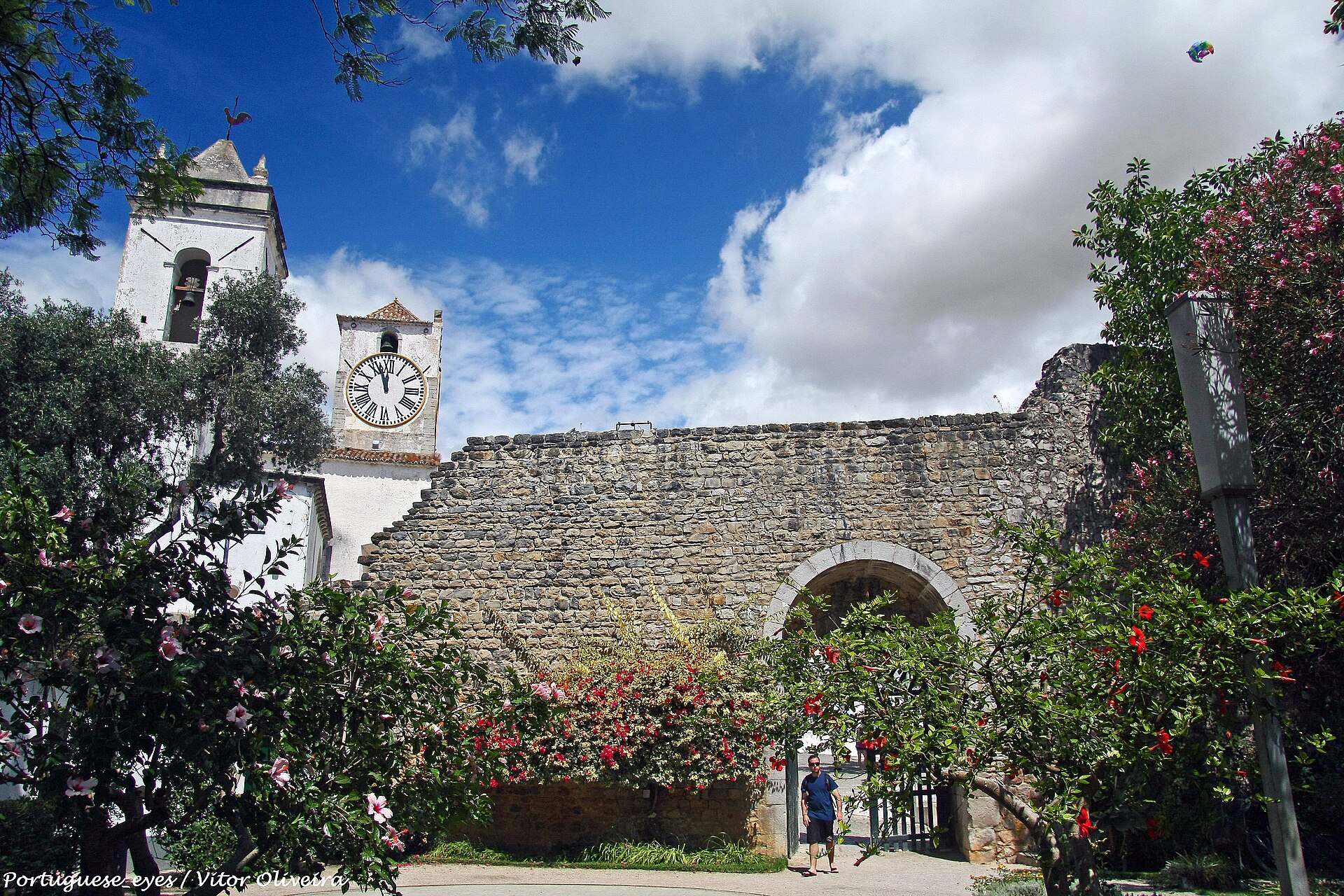
Tavira’s surviving castle walls reflect Islamic and Christian phases and enclose a garden whose higher points reveal the town, River Gilão and the nearby lagoon landscape.
View guide →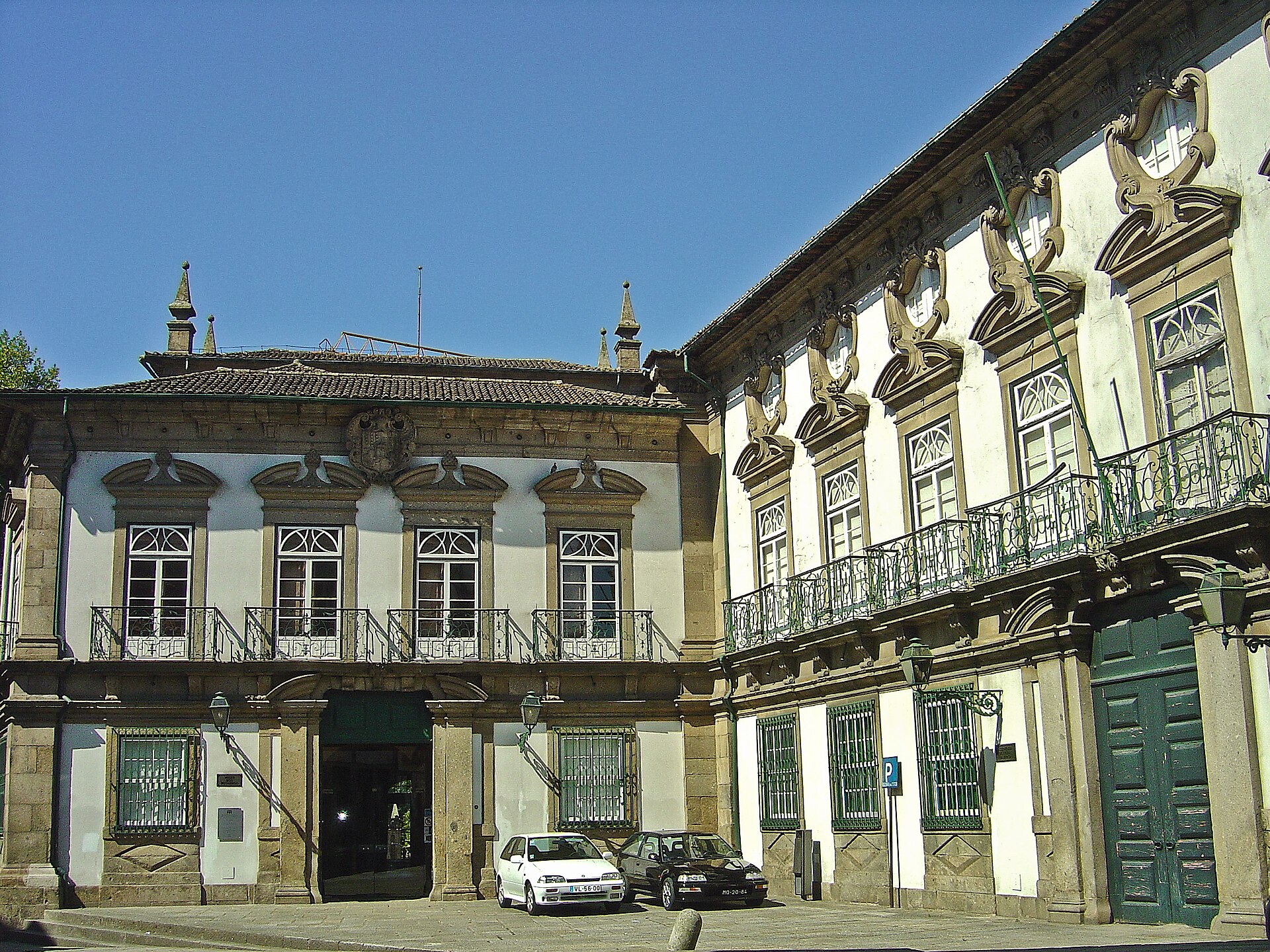
Housed in a seventeenth- and eighteenth-century urban palace, the museum evokes aristocratic domestic life and preserves a terraced garden with fountains, tiles and mature trees.
View guide →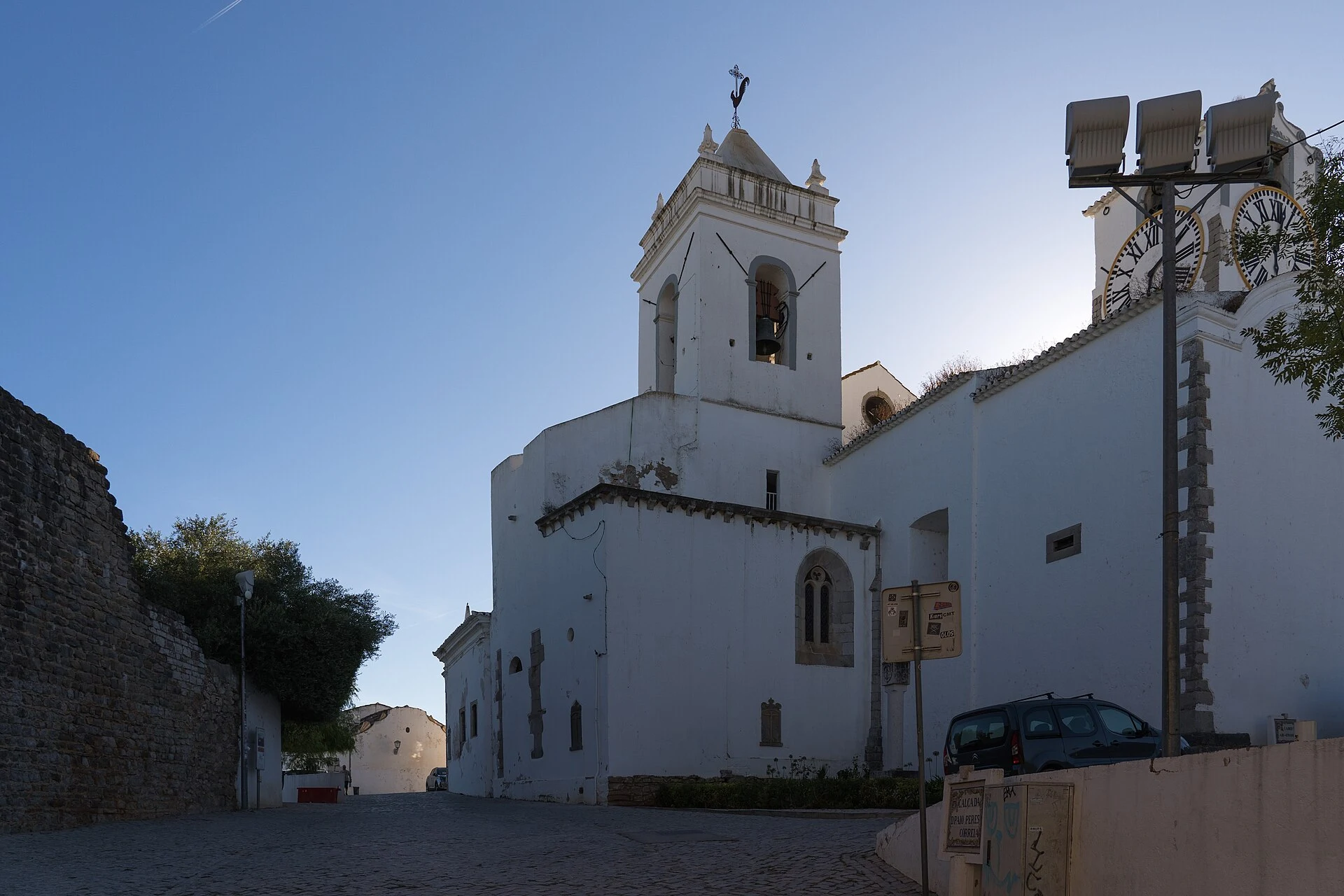
Raised after the Christian conquest on a site associated with Tavira’s former mosque, the church preserves a Gothic portal, later rebuilding and the memory of knights killed in the town’s capture.
View guide →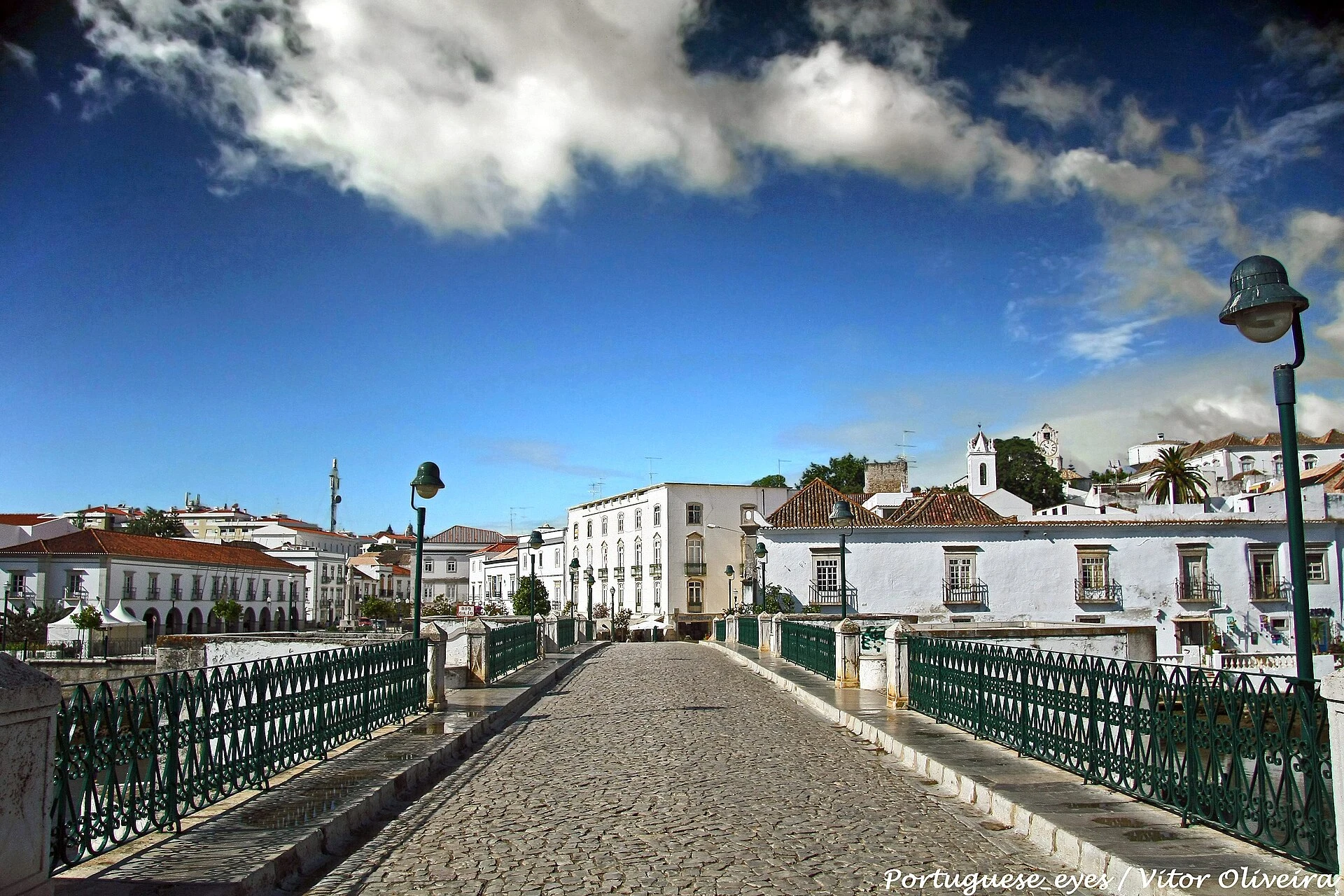
This multi-arched pedestrian bridge connects both sides of Tavira’s historic centre; despite its popular Roman attribution, the visible structure reflects medieval and later rebuilding.
View guide →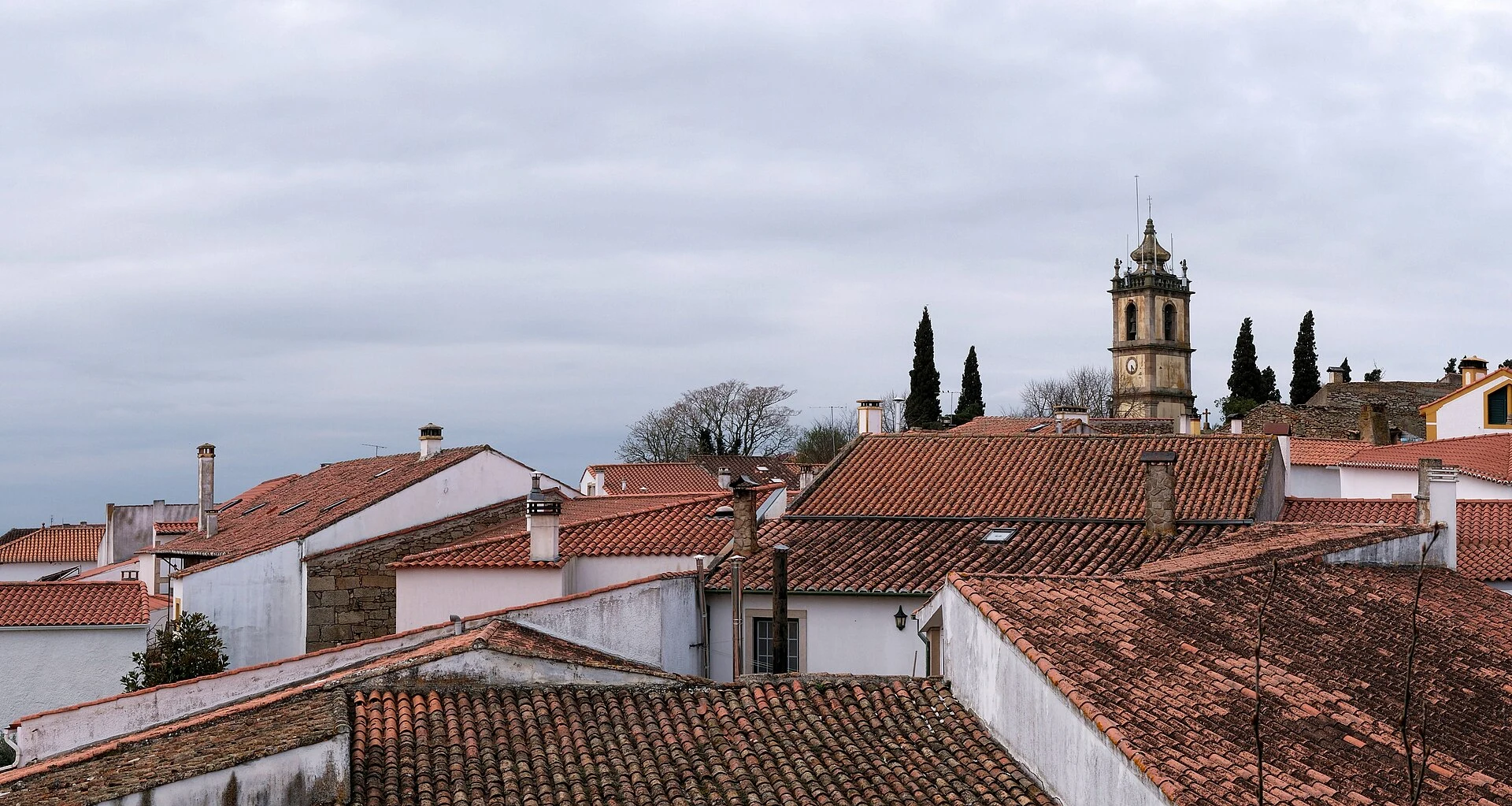
Bastioned fortress on the border
View guide →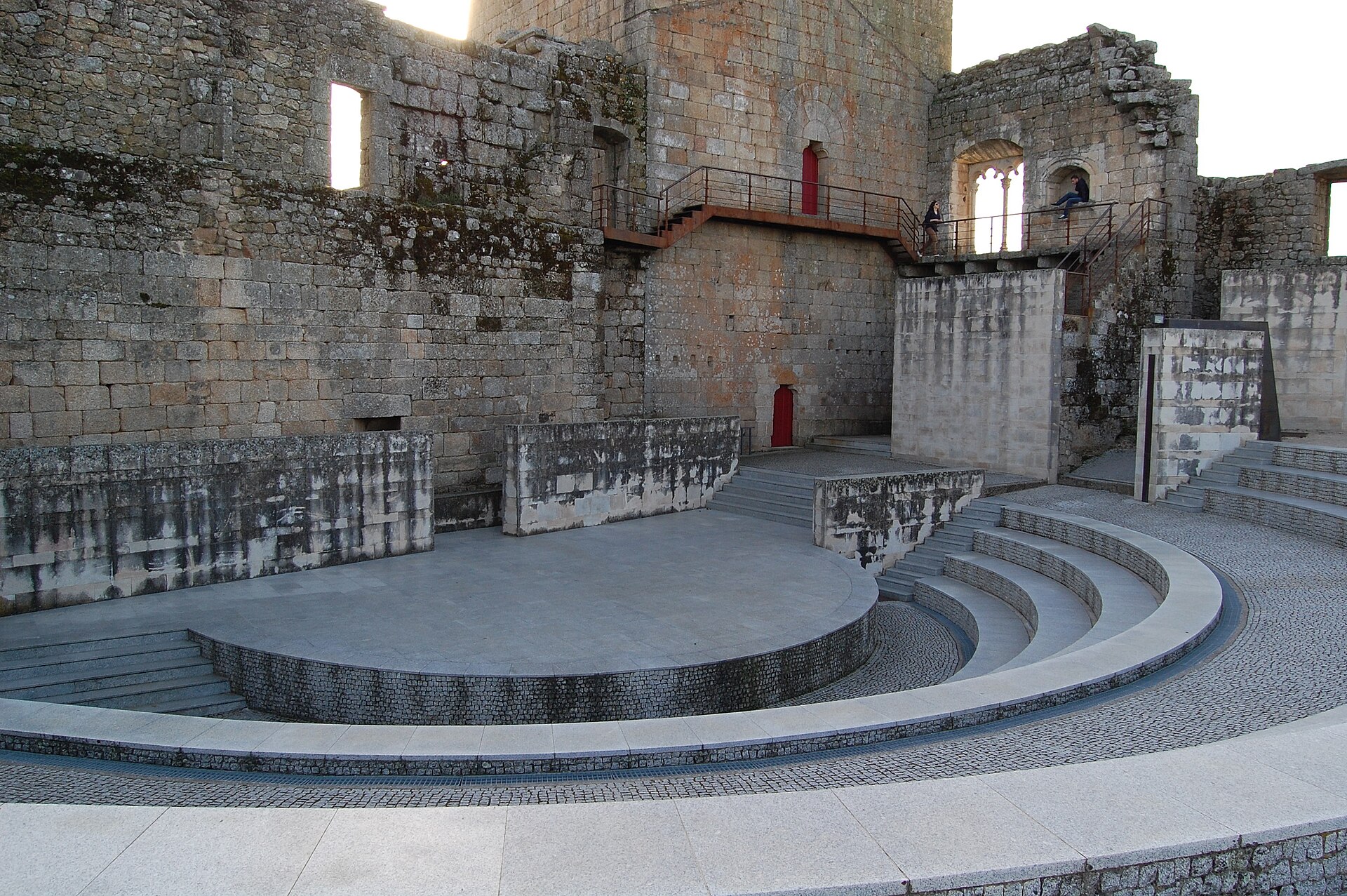
Castle, Jewish memory and Cabral
View guide →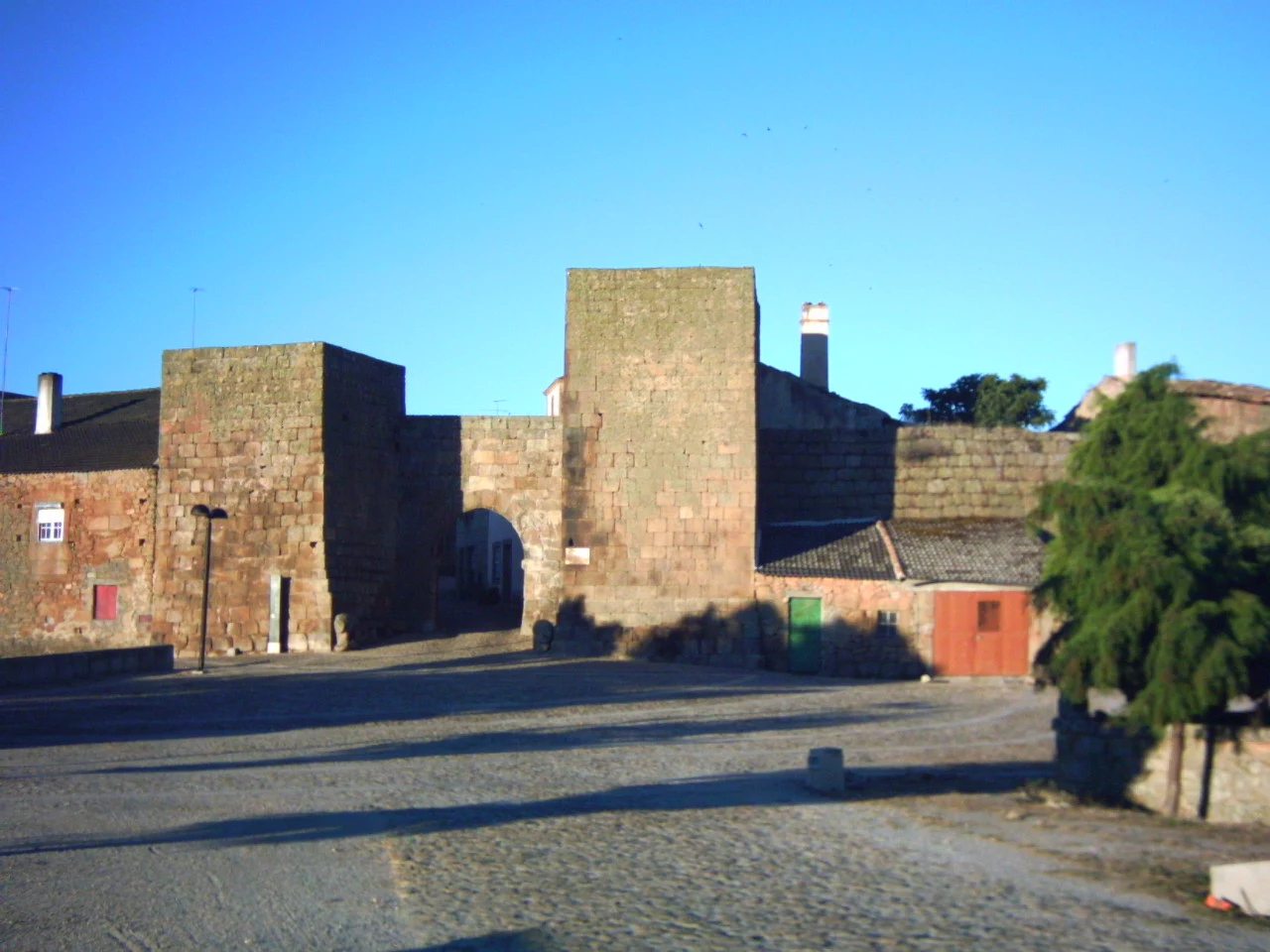
Medieval enclosure over the Côa valley
View guide →
Granite and water in Serra da Gardunha
View guide →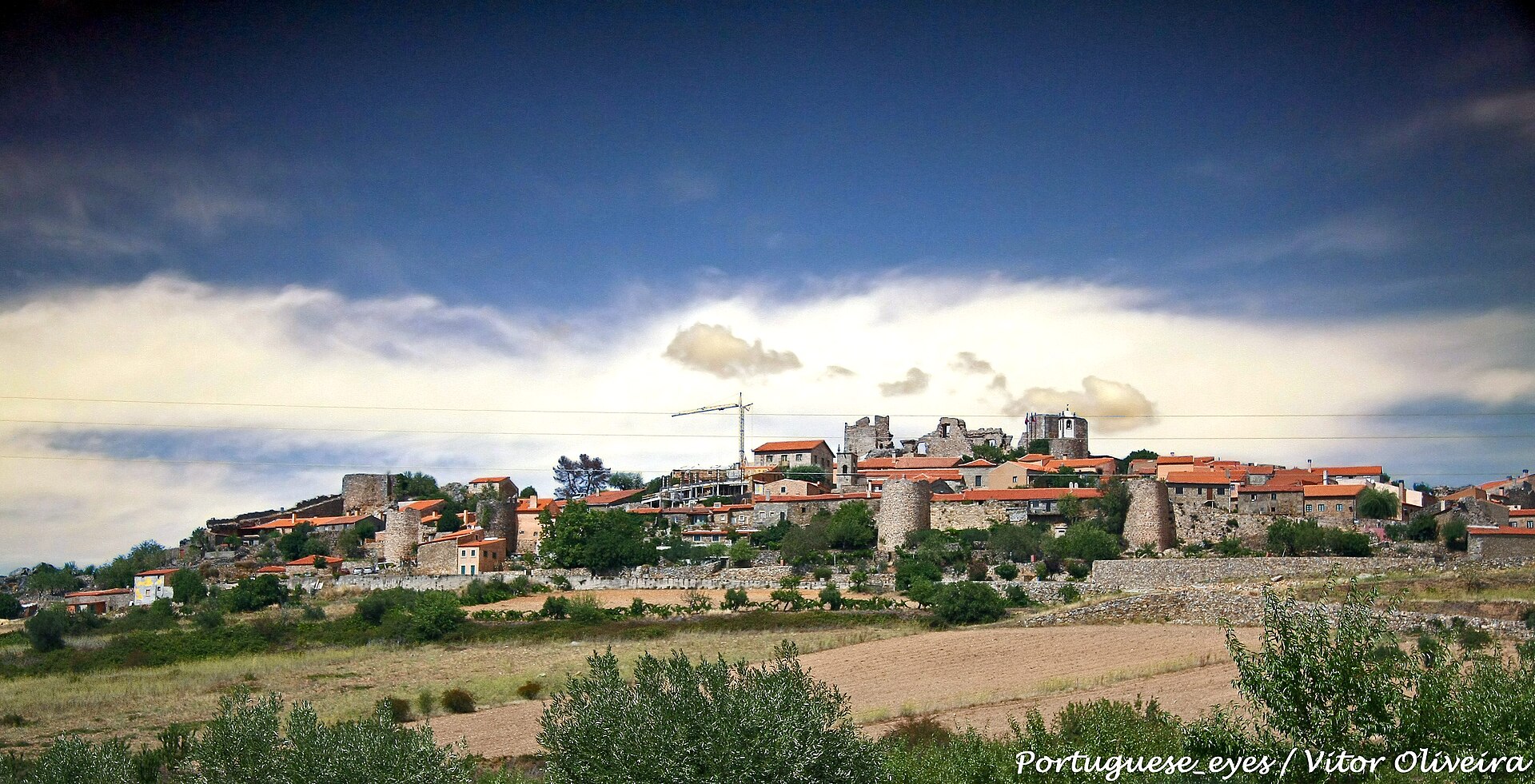
Historic Village of Portugal
View guide →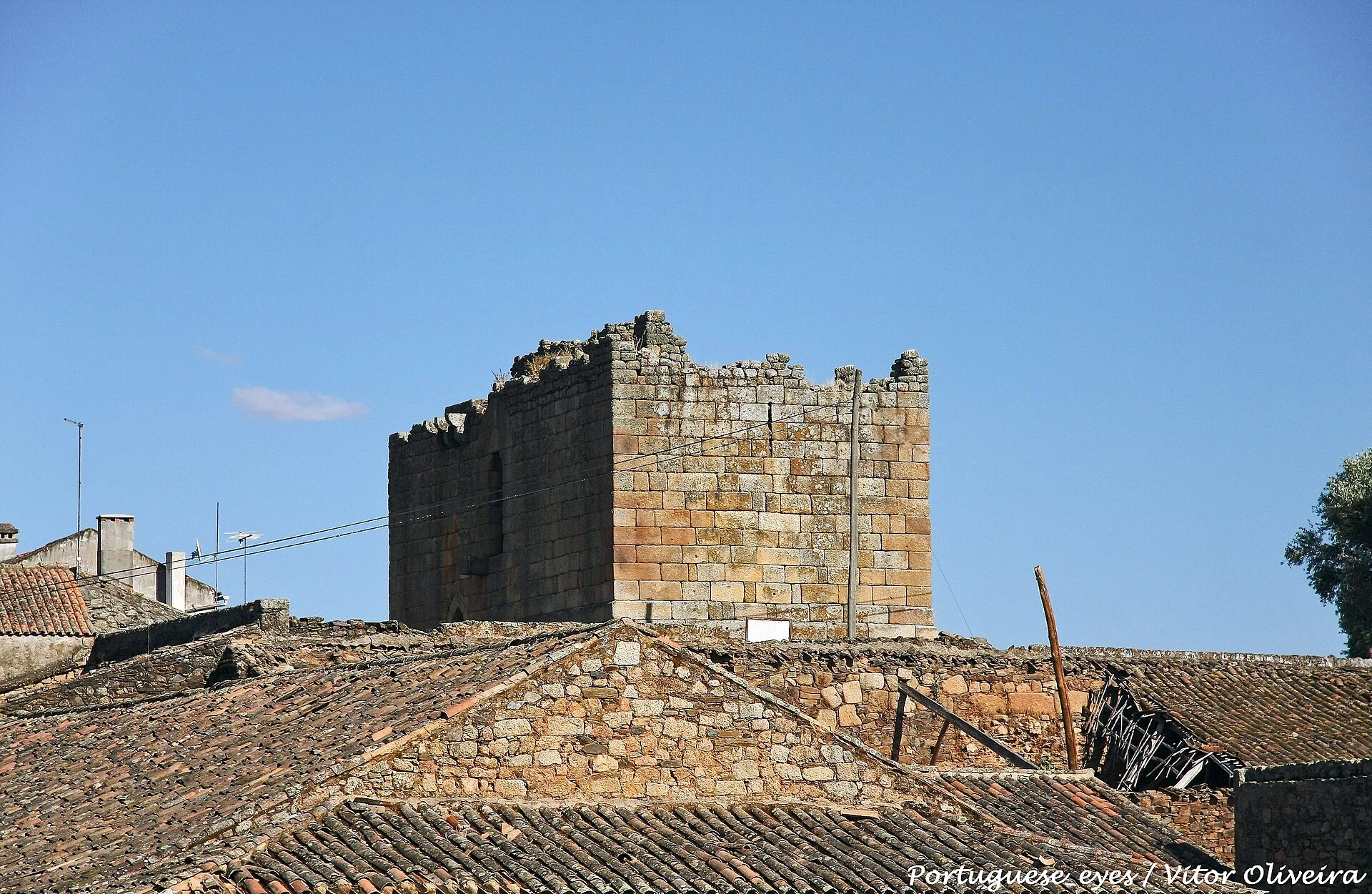
Egitânia between Rome and the Middle Ages
View guide →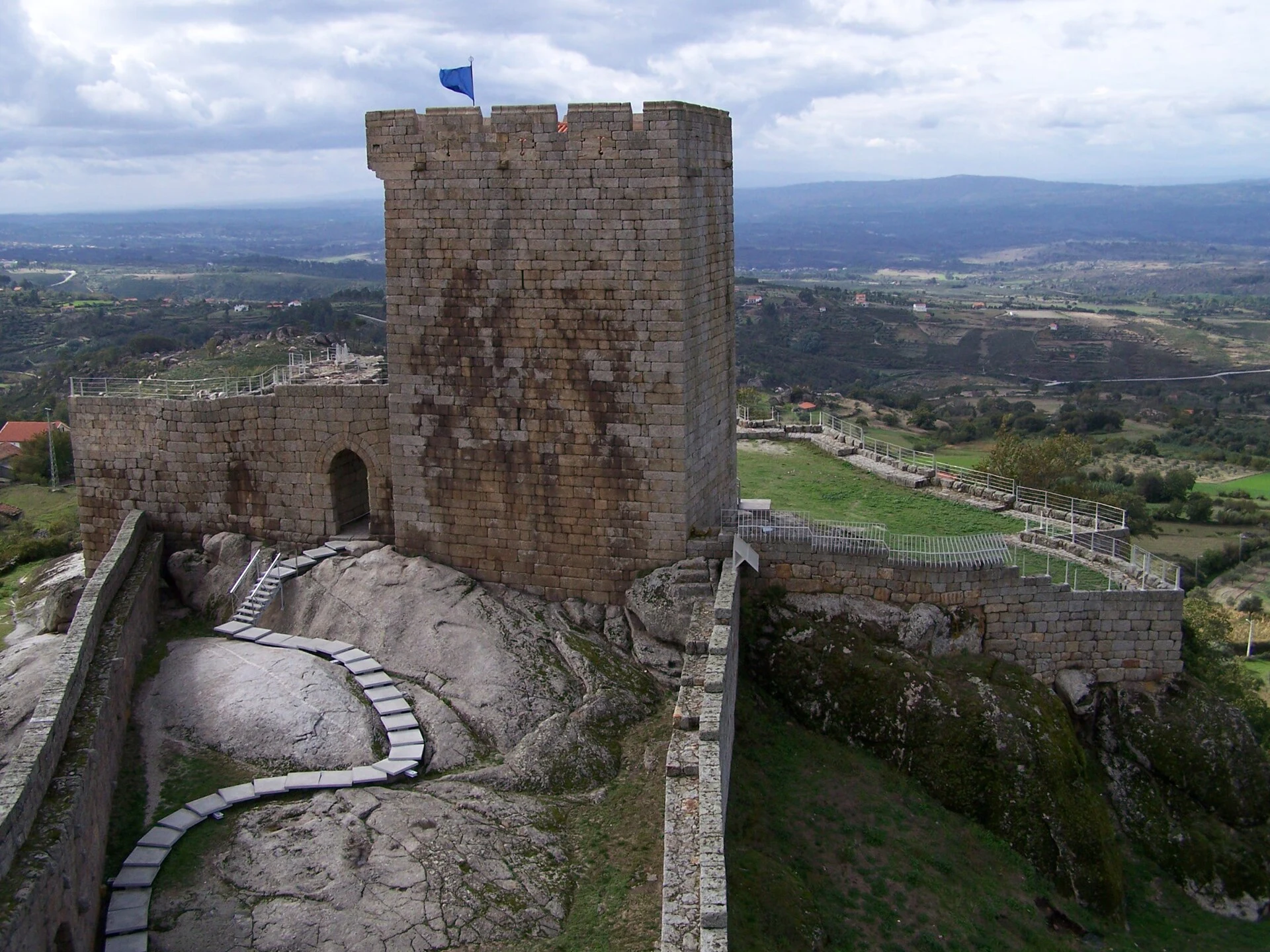
Castle on the Estrela slope
View guide →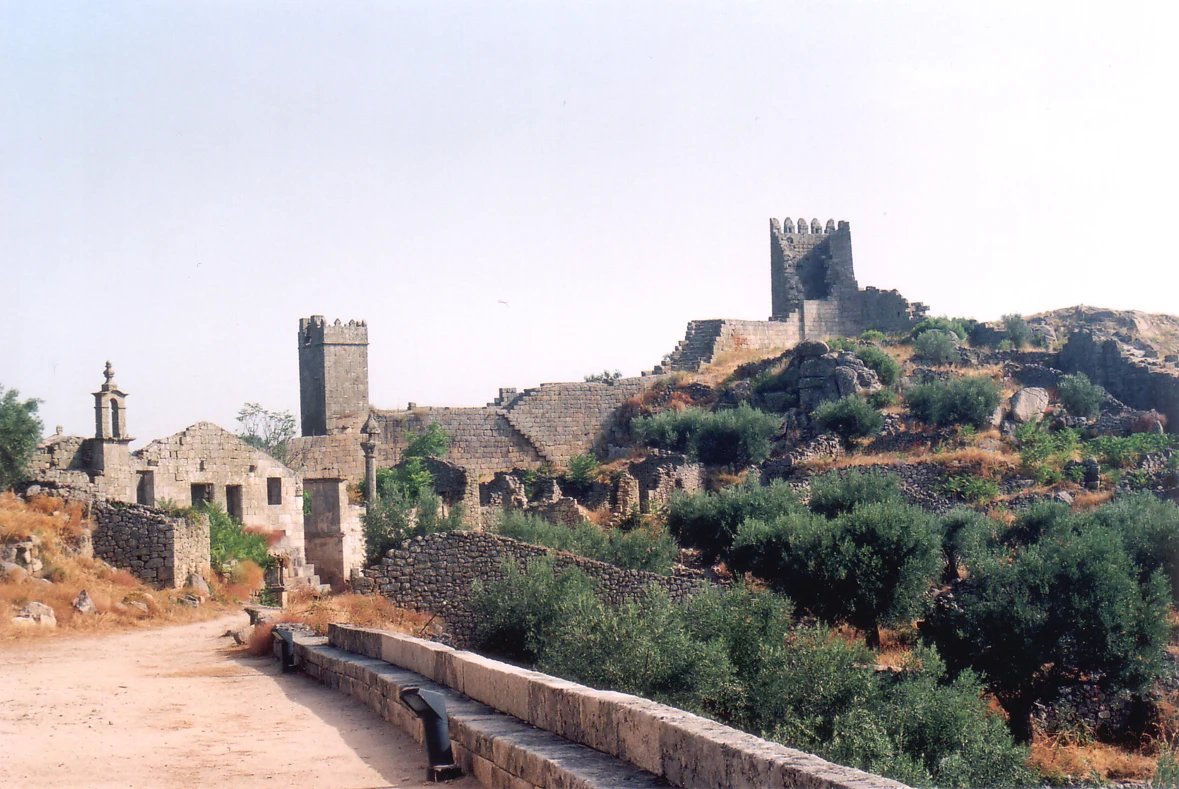
Citadel and outskirts of a fortified town
View guide →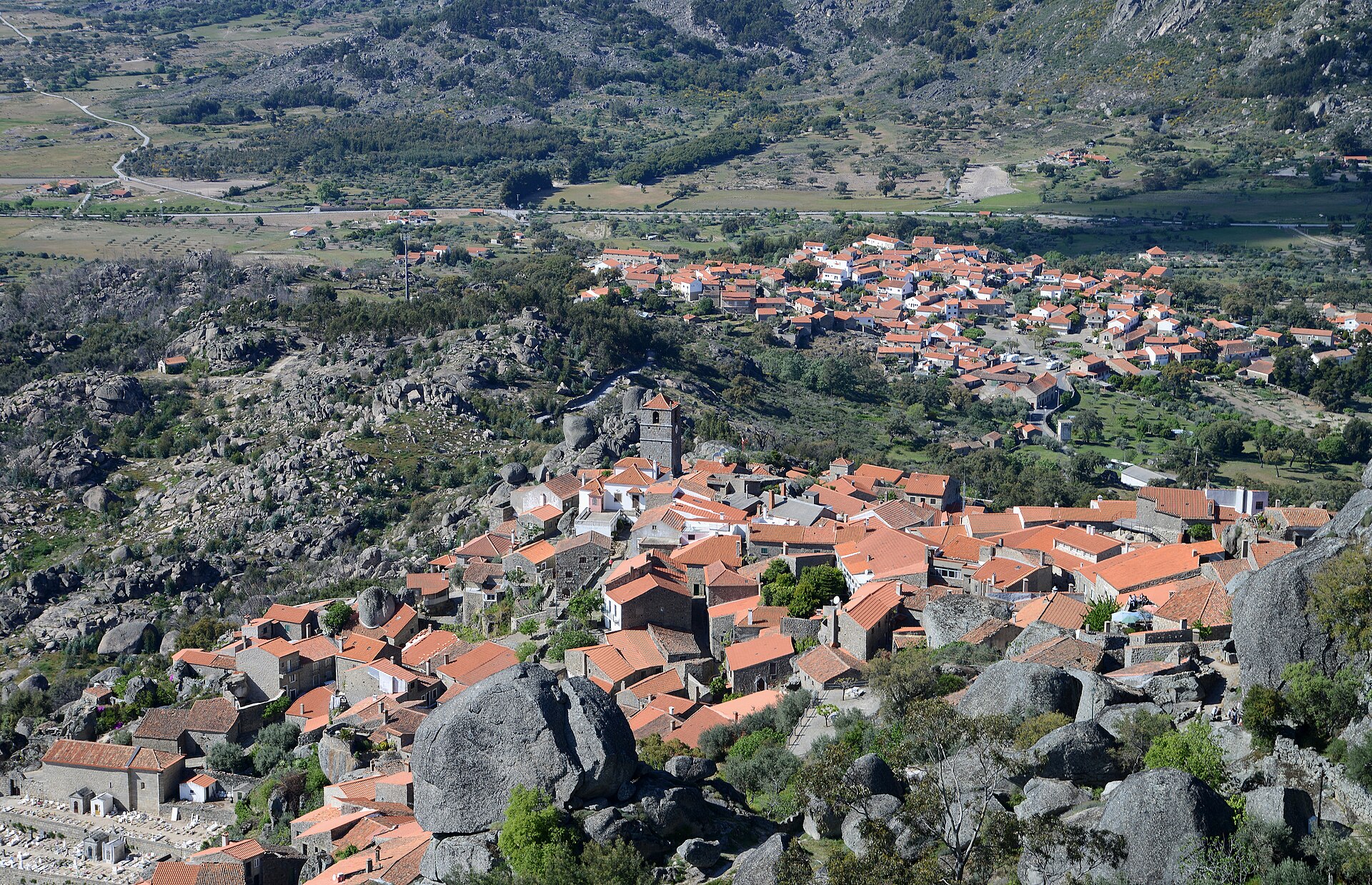
Granite village on the meadow
View guide →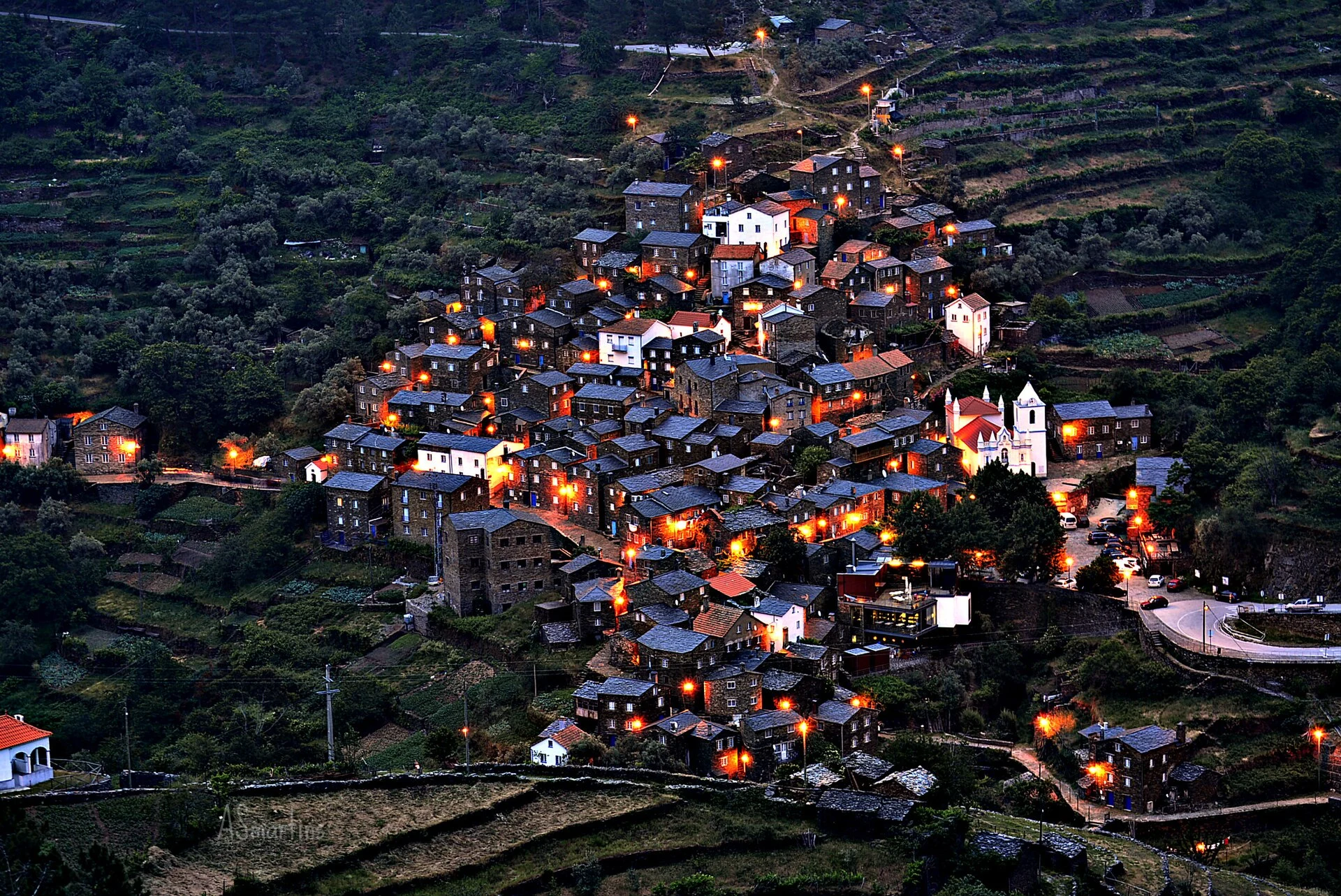
Schist in amphitheater in Serra do Açor
View guide →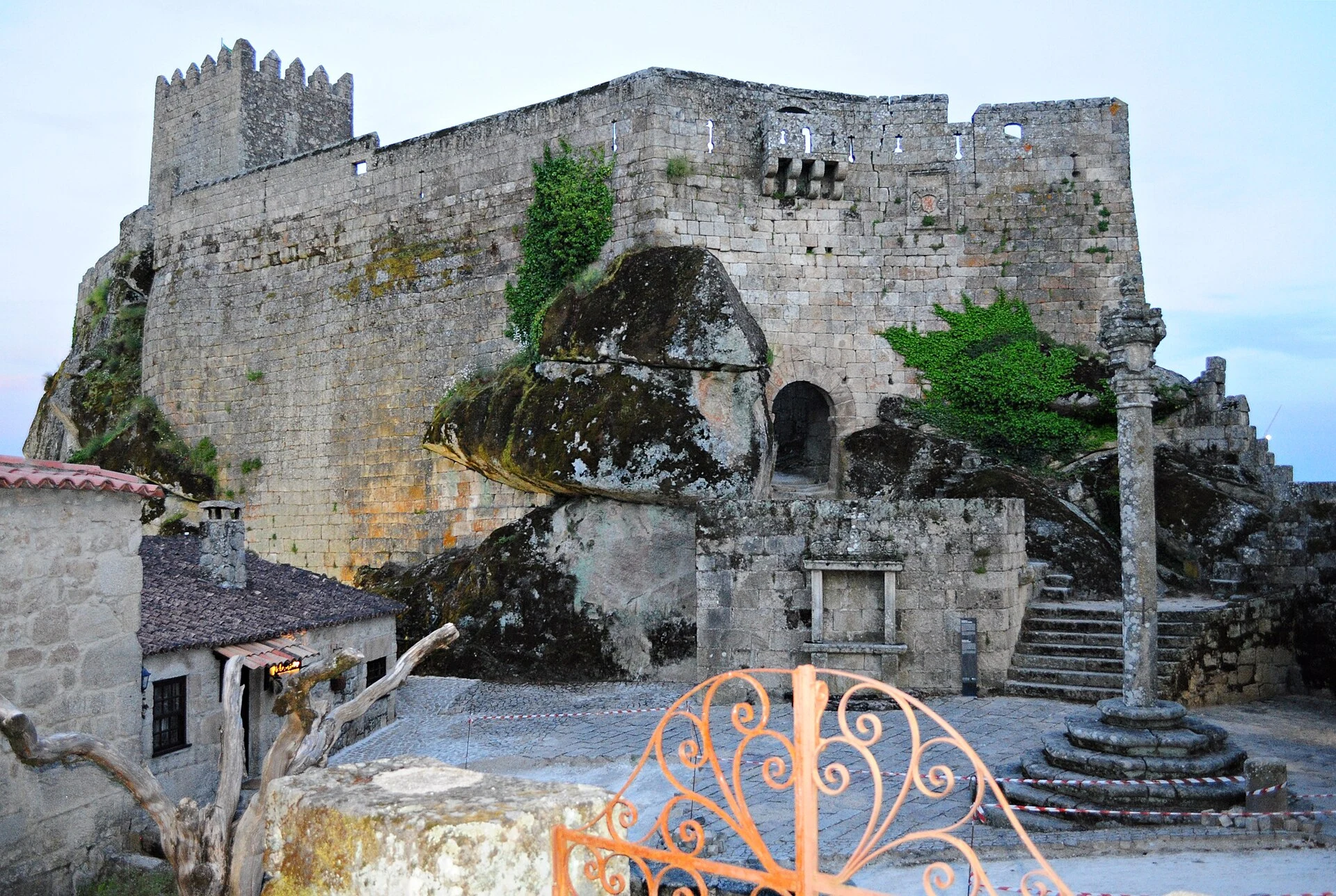
Medieval village within the walls
View guide →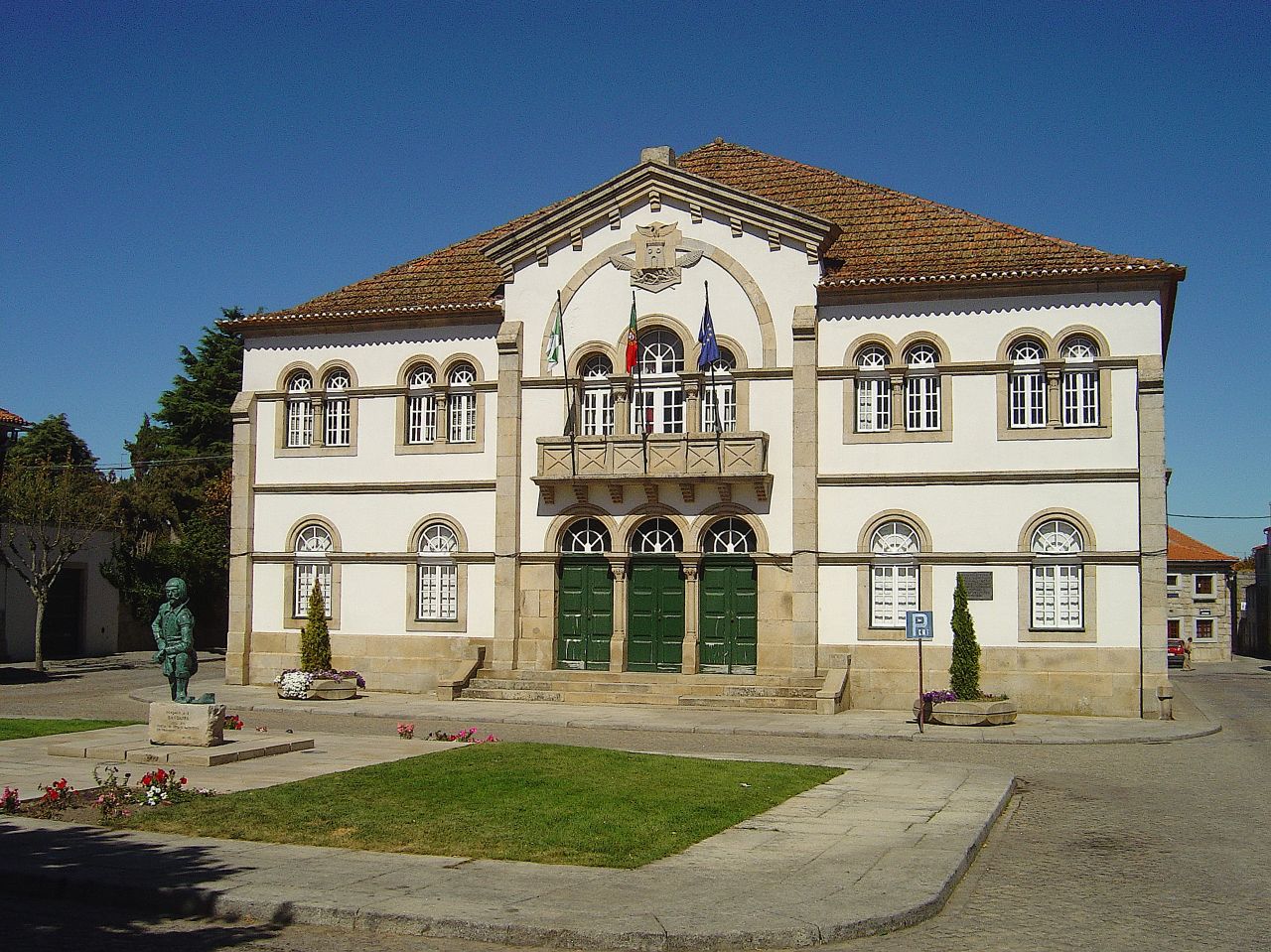
Walls, castle and Jewish memory
View guide →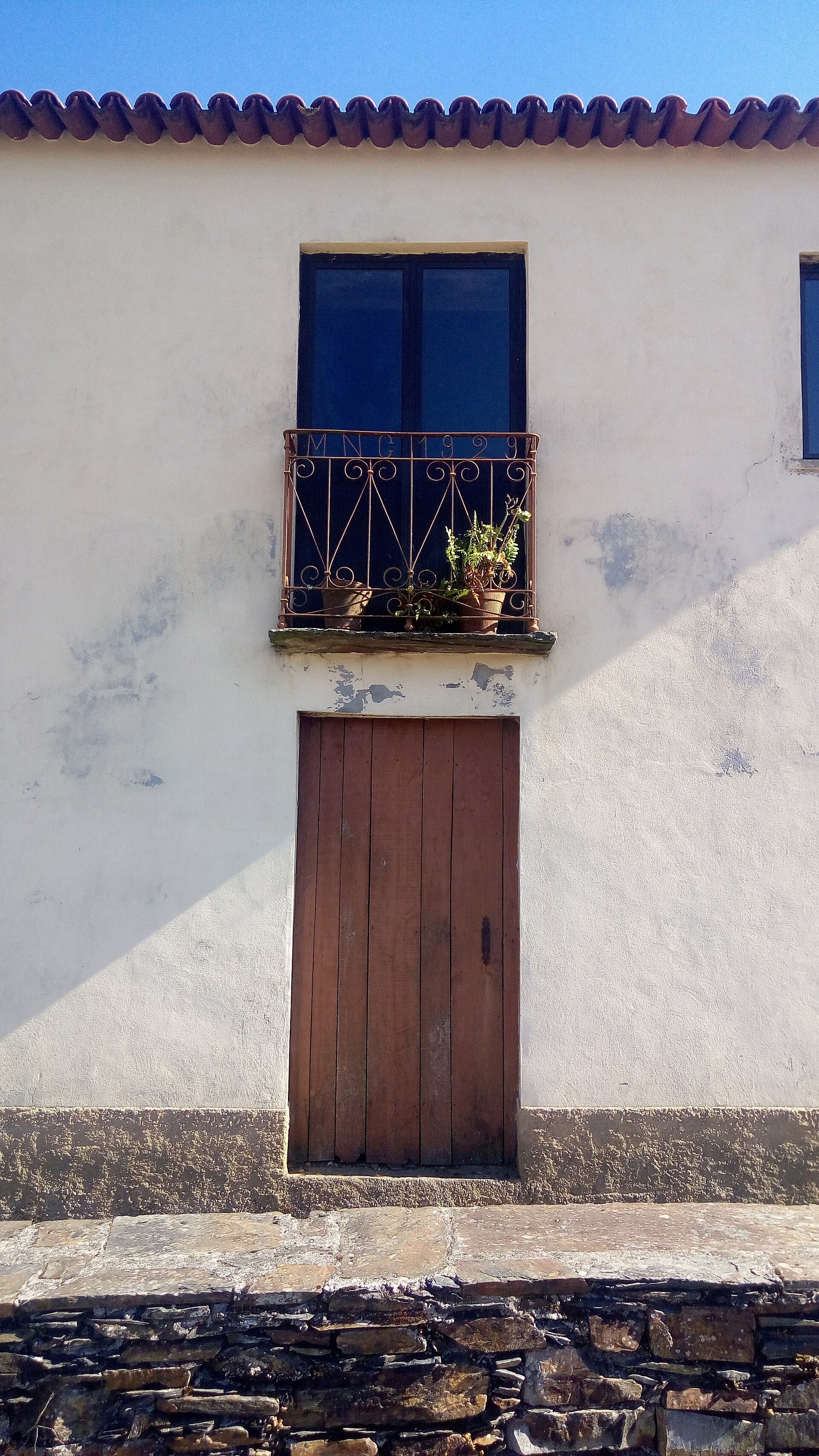
Schist Village · Serra da Lousã
View guide →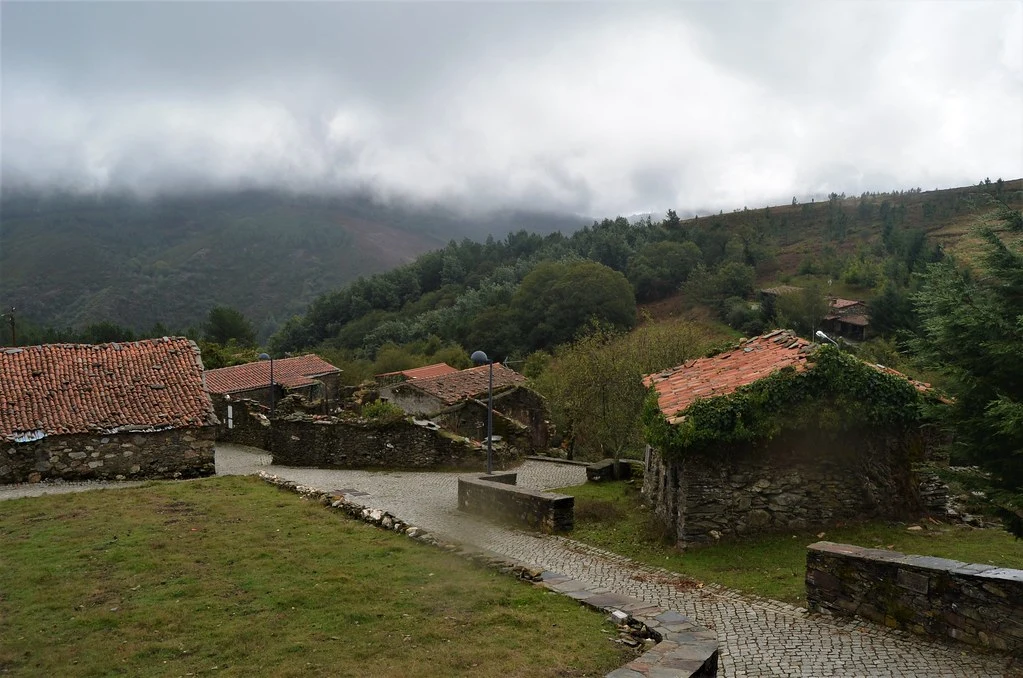
Schist Village · Serra da Lousã
View guide →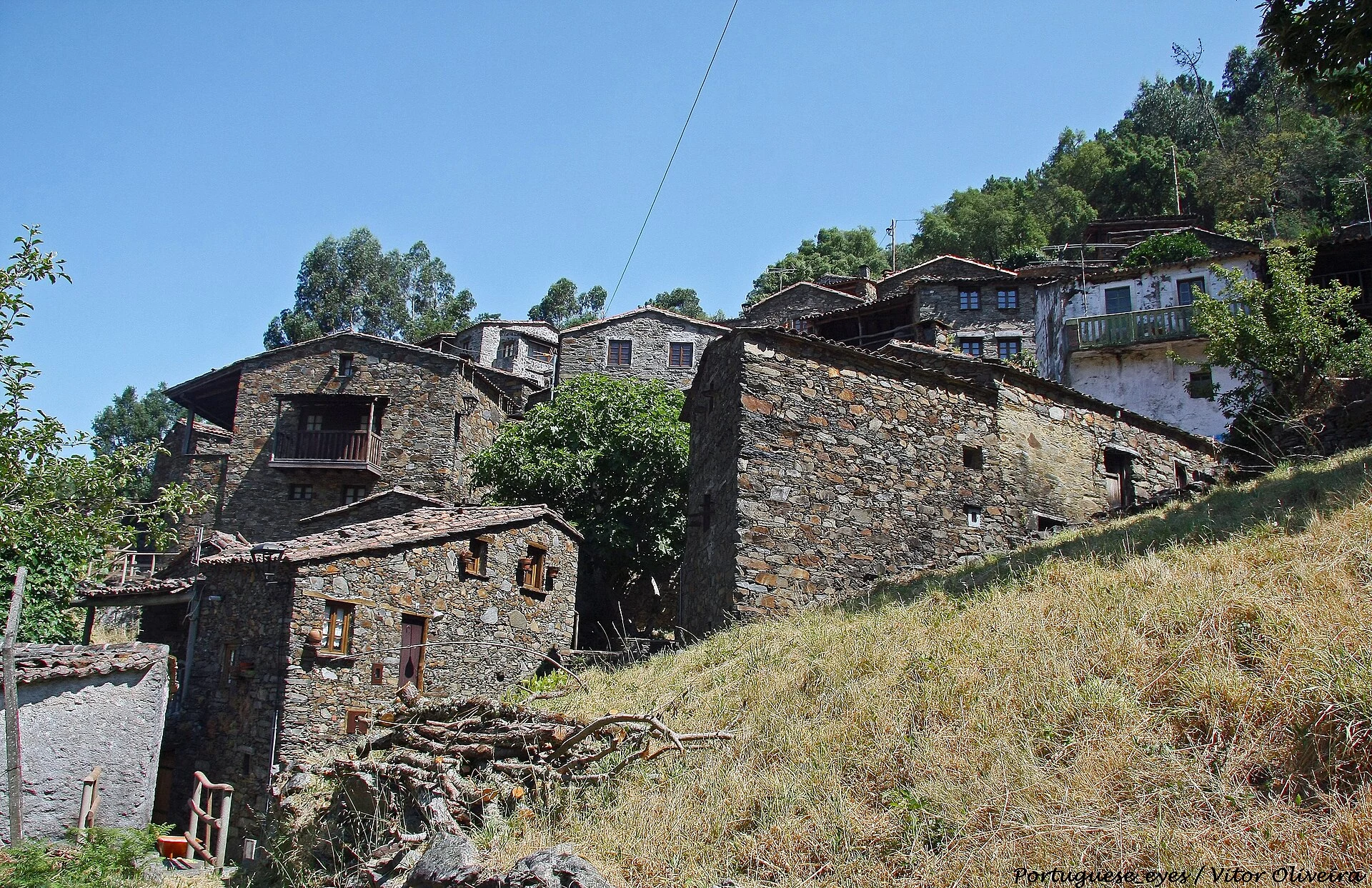
Schist Village · Serra da Lousã
View guide →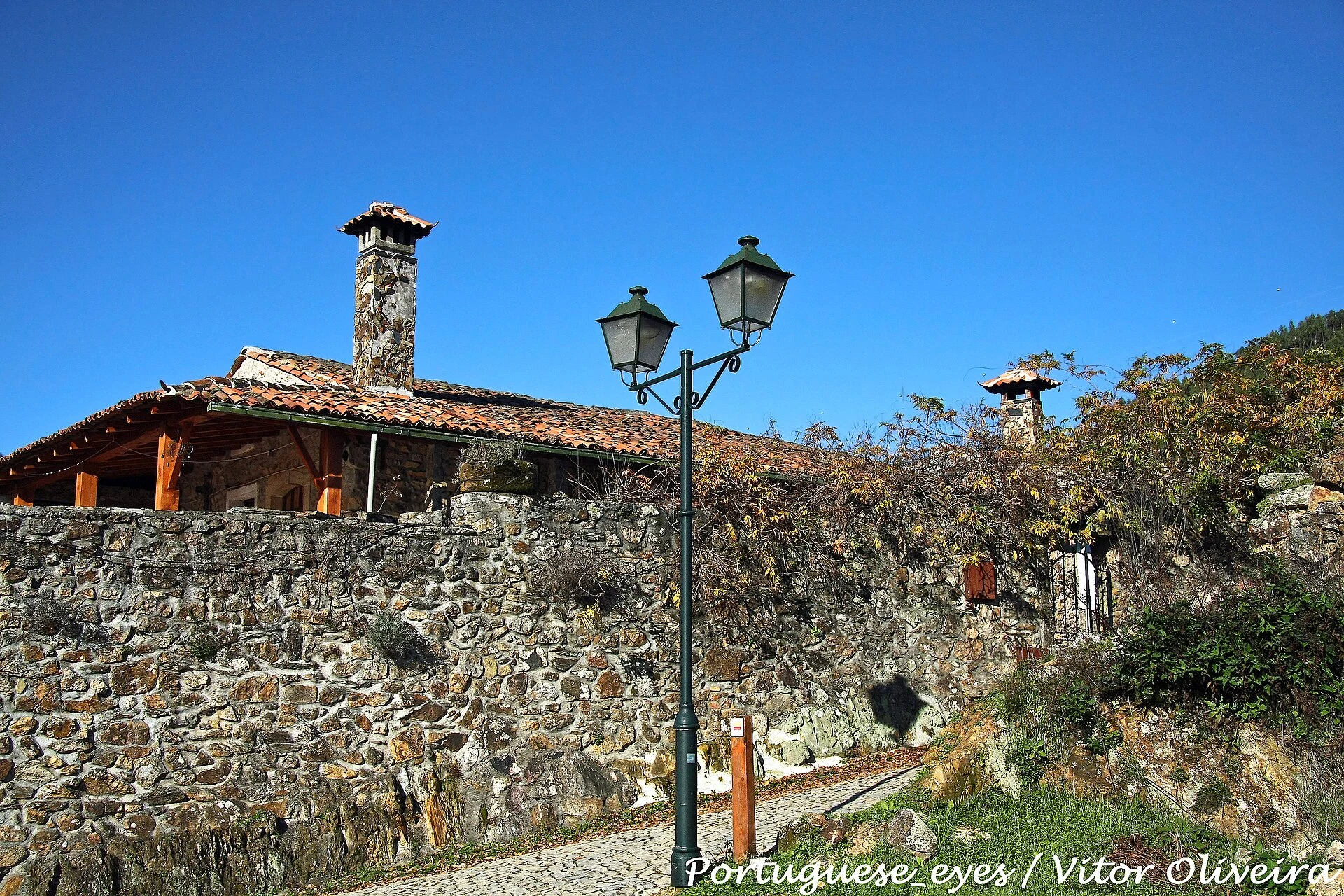
Shale on Fragas de São Simão
View guide →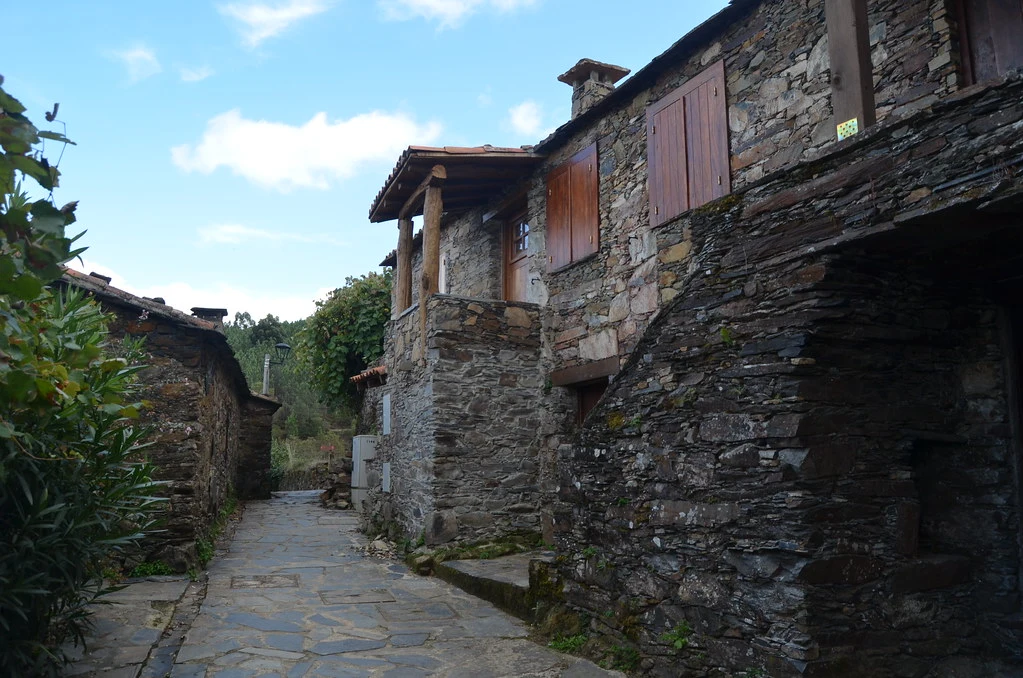
Schist Village · Serra da Lousã
View guide →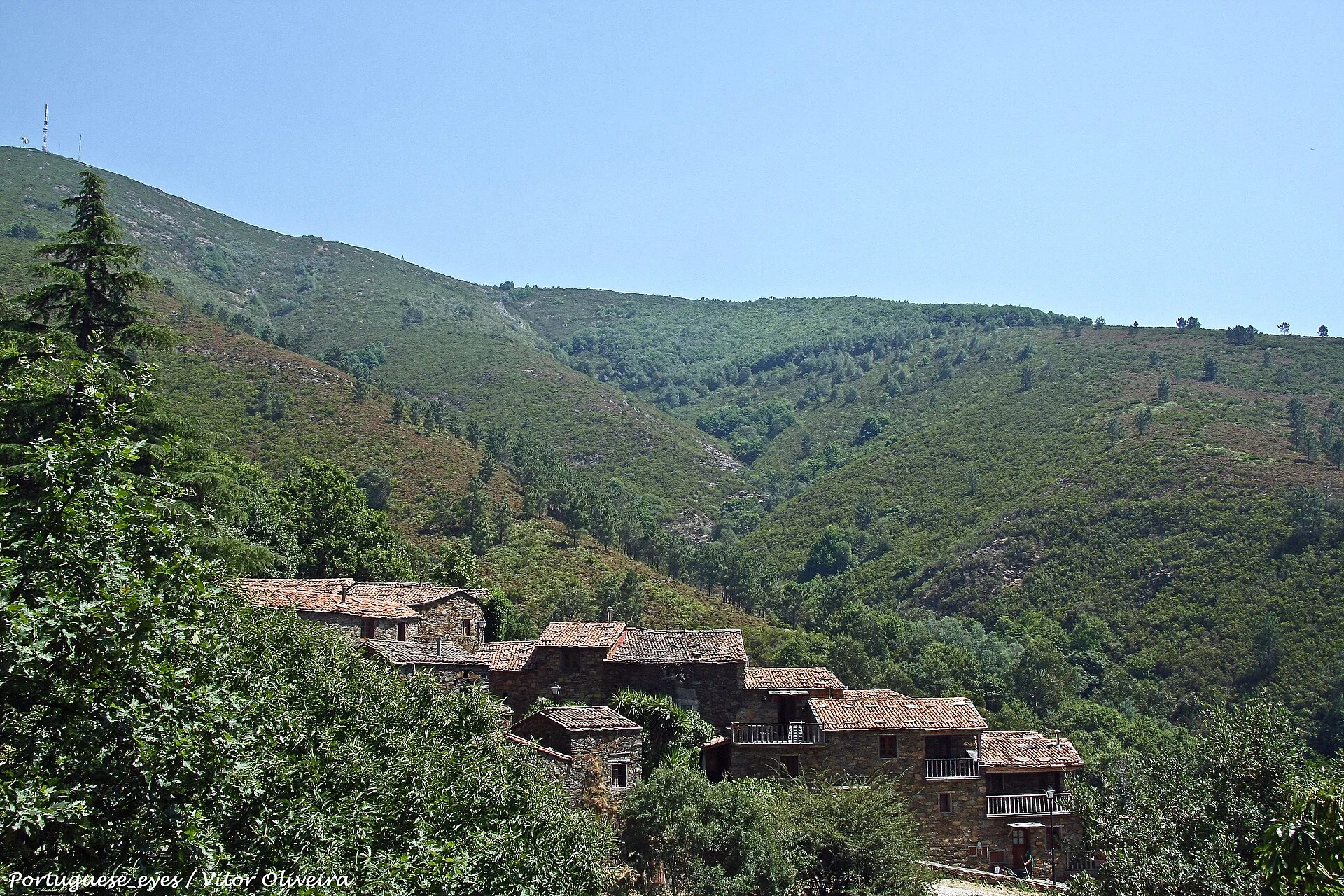
Shale, creativity and forest
View guide →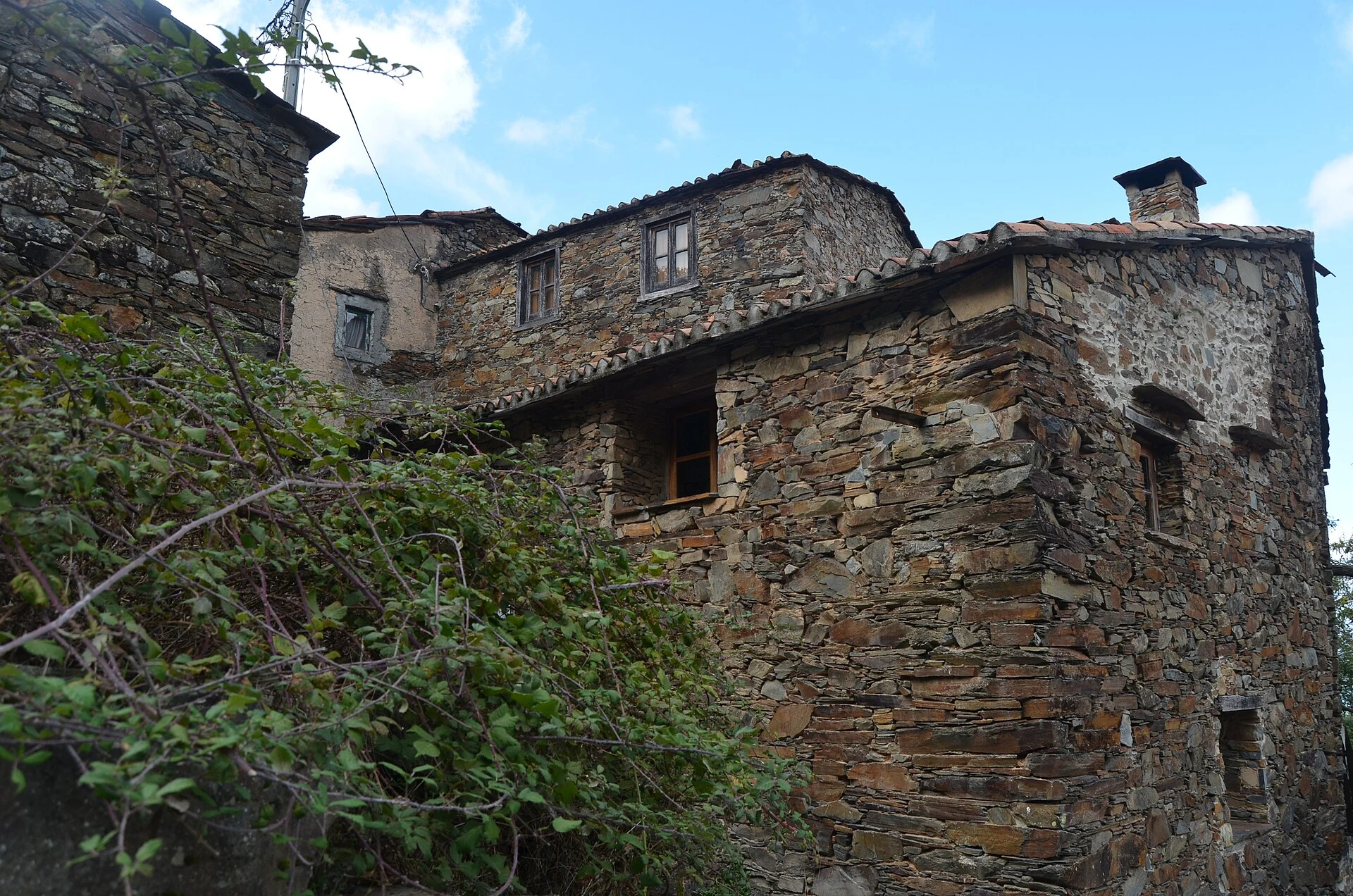
Schist Village · Serra da Lousã
View guide →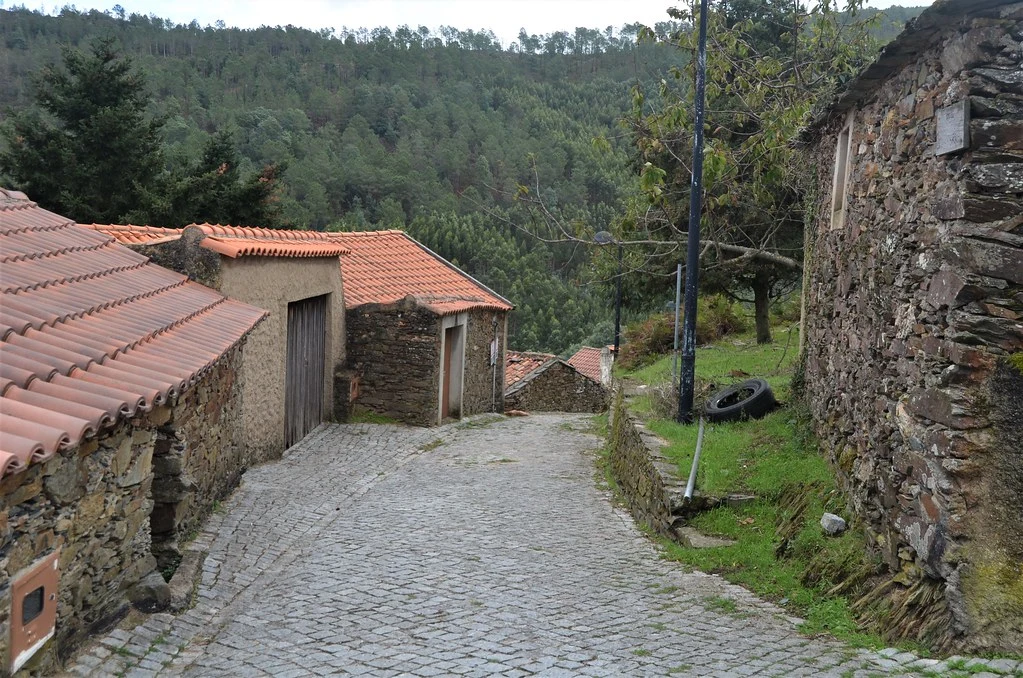
Schist Village · Serra da Lousã
View guide →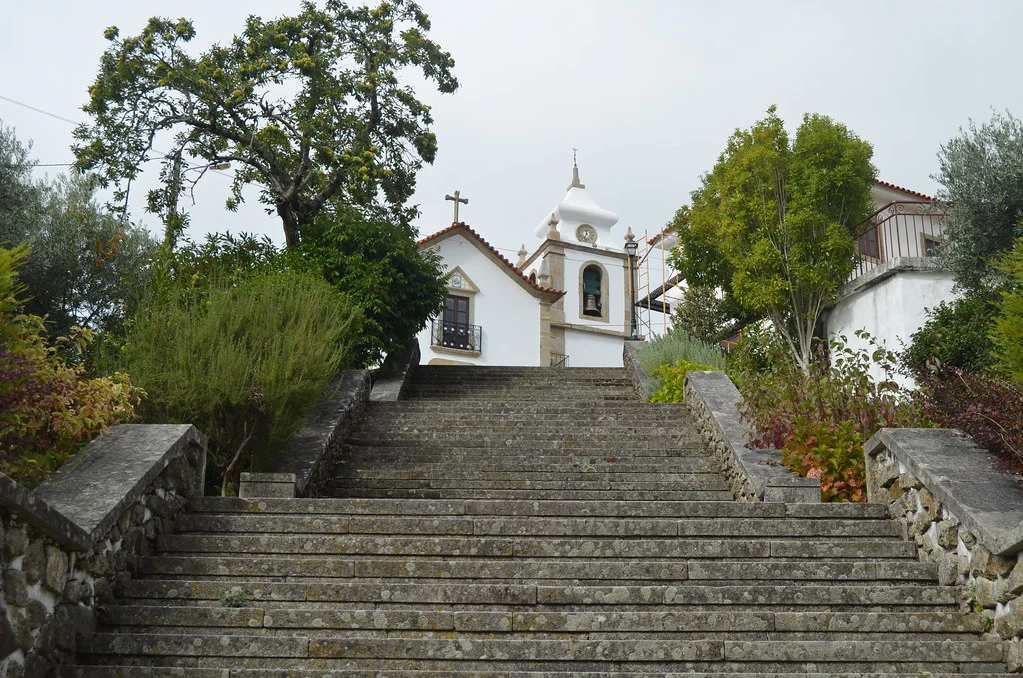
Schist Village · Serra da Lousã
View guide →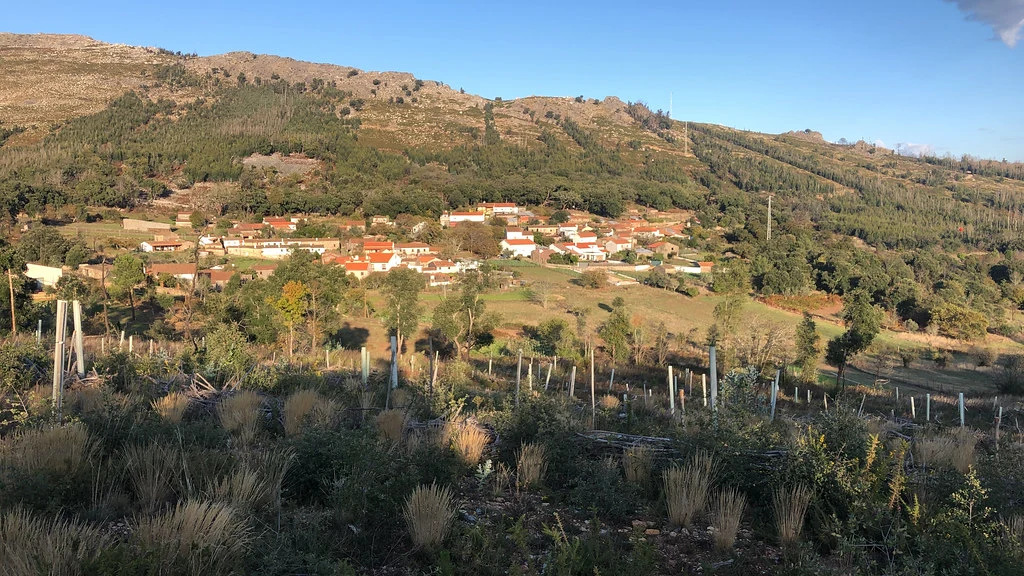
Schist Village · Serra da Lousã
View guide →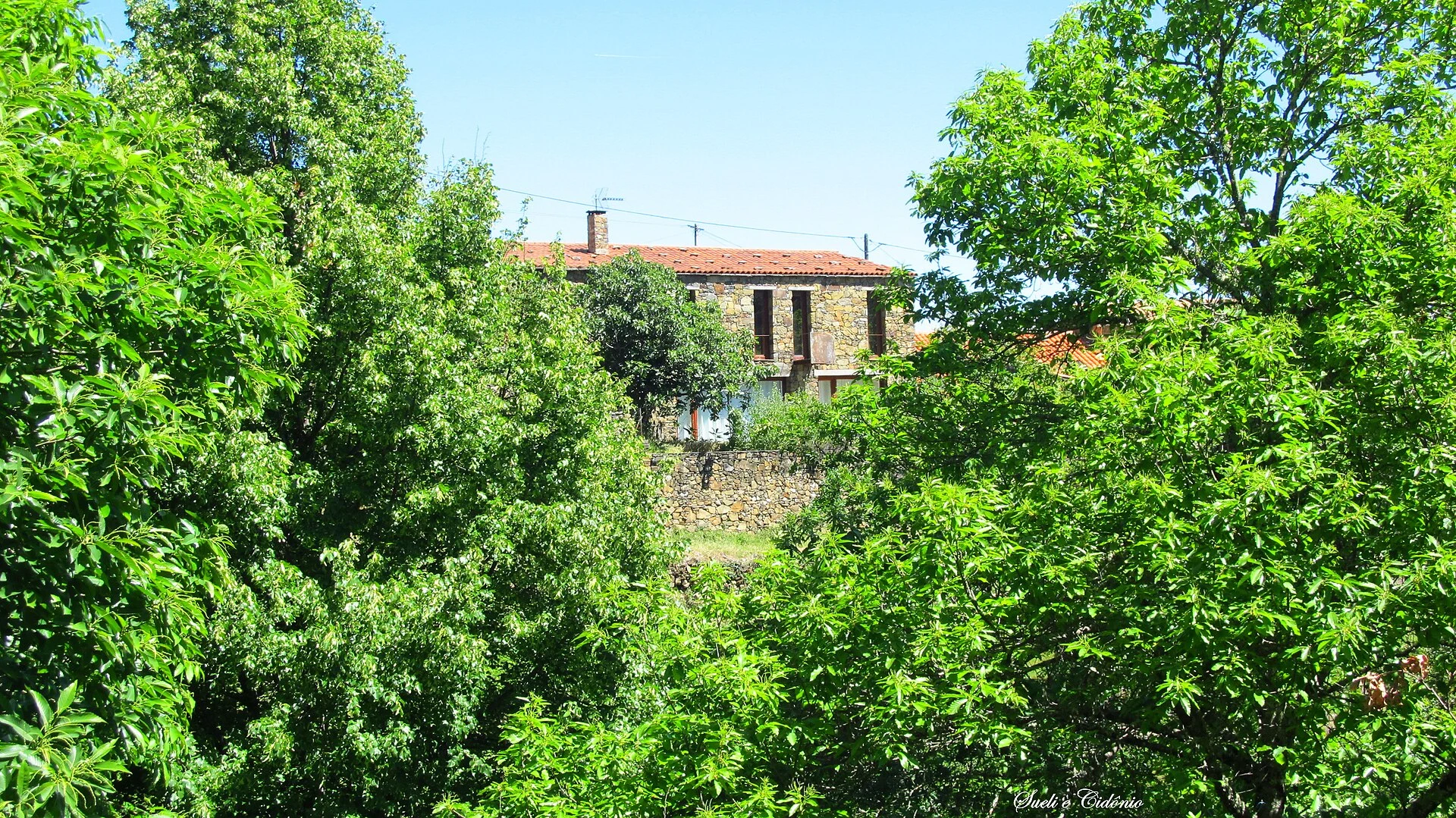
Schist Village · Serra da Lousã
View guide →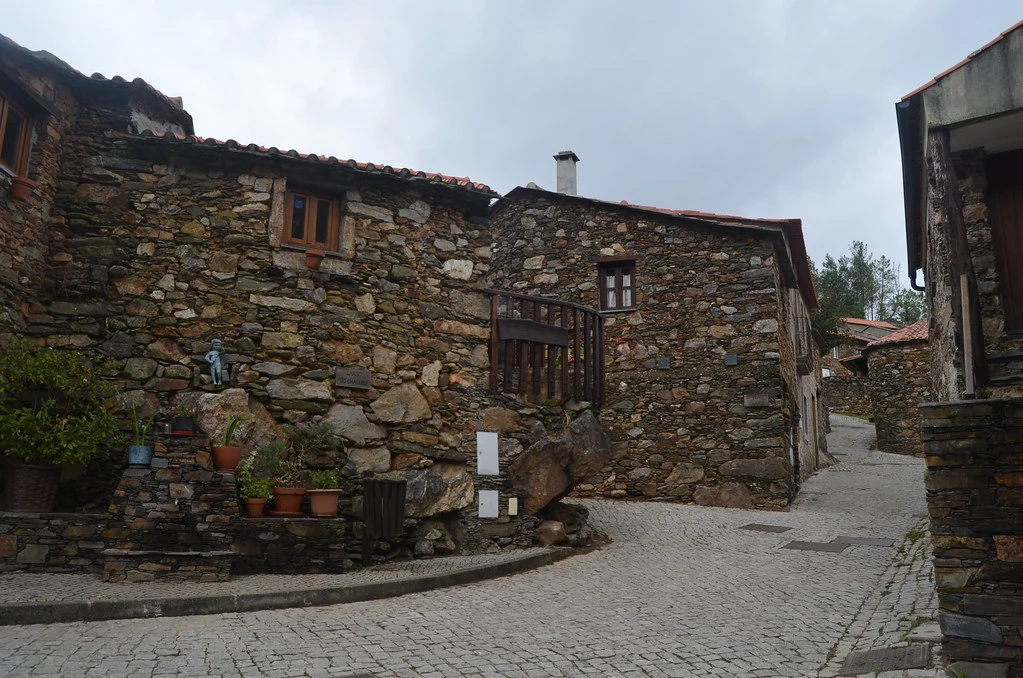
Schist Village · Serra da Lousã
View guide →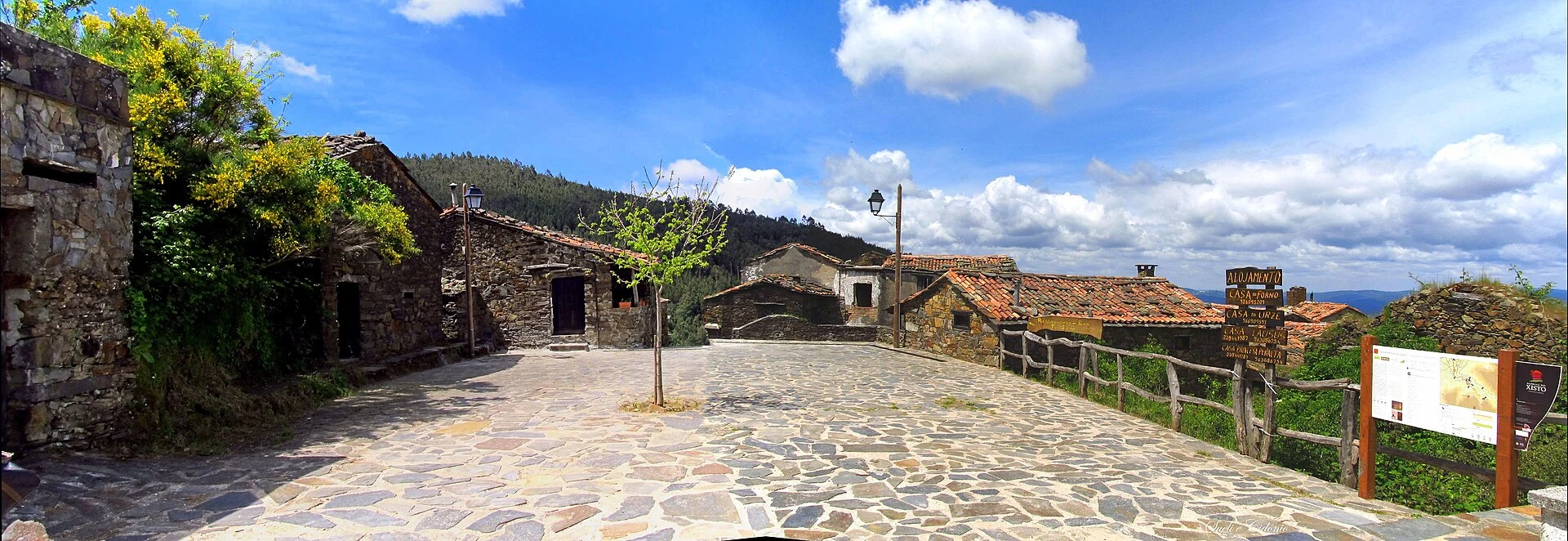
Schist Village in Serra da Lousã
View guide →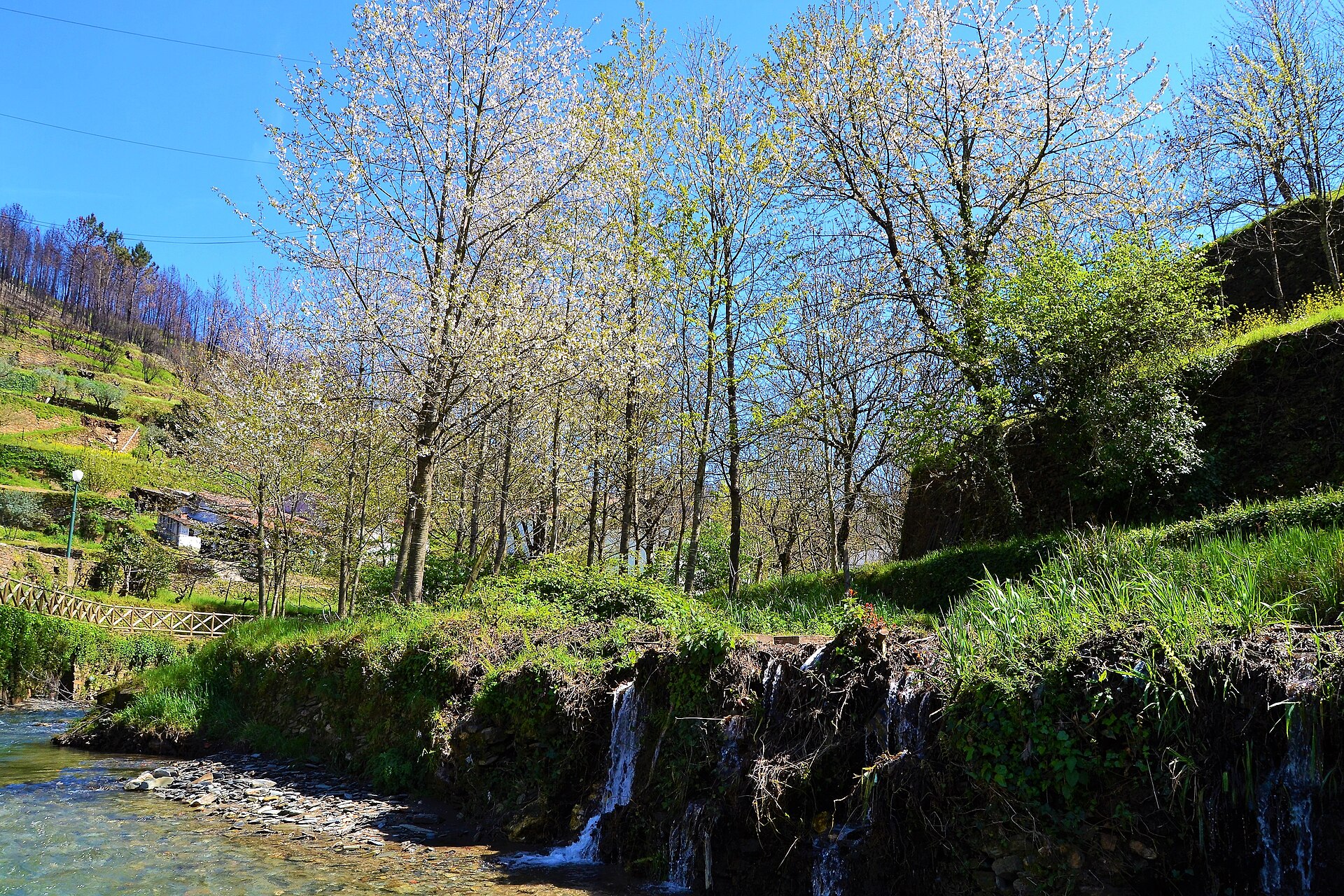
Schist Village · Serra do Açor
View guide →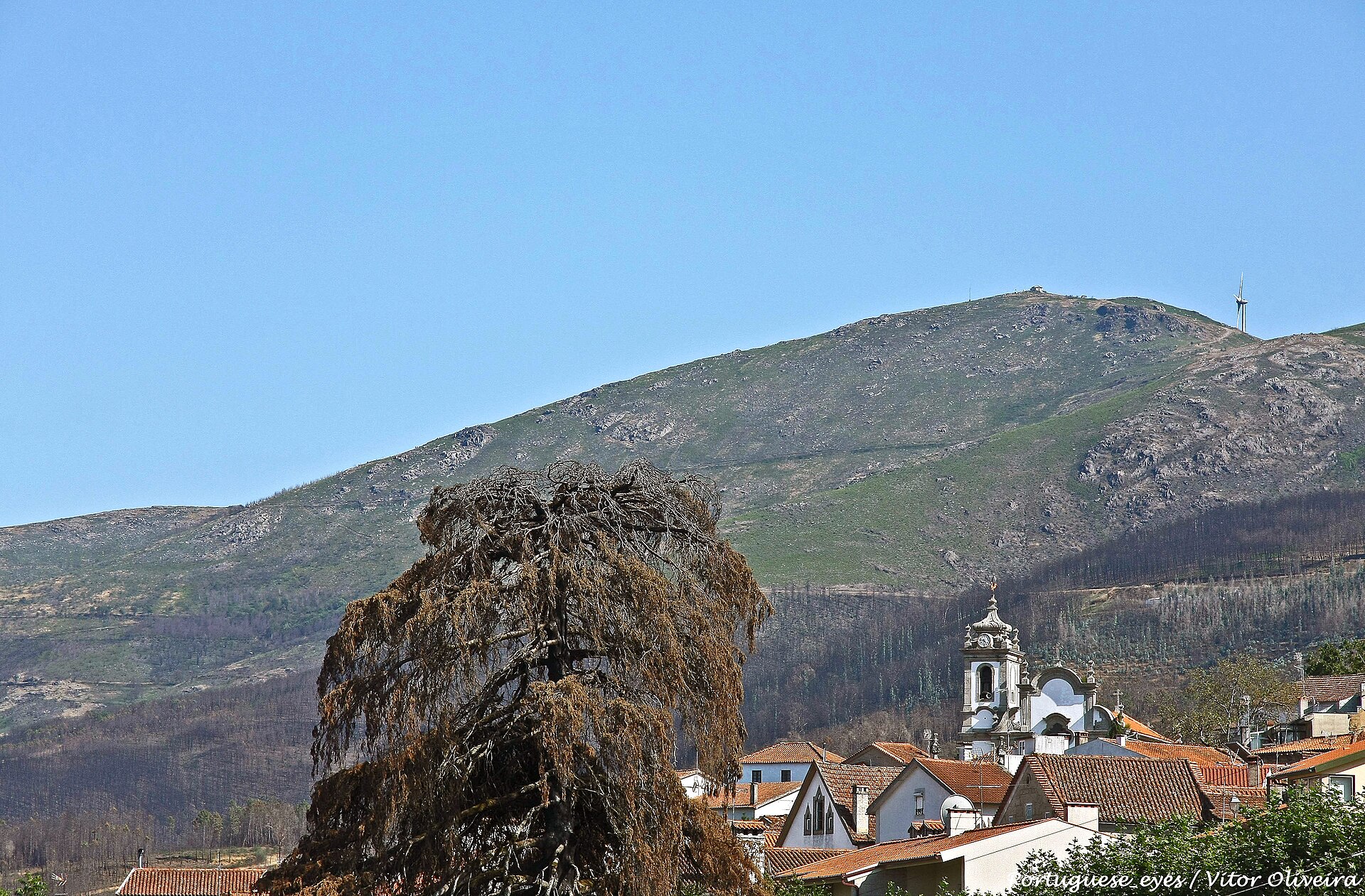
Schist Village · Serra do Açor
View guide →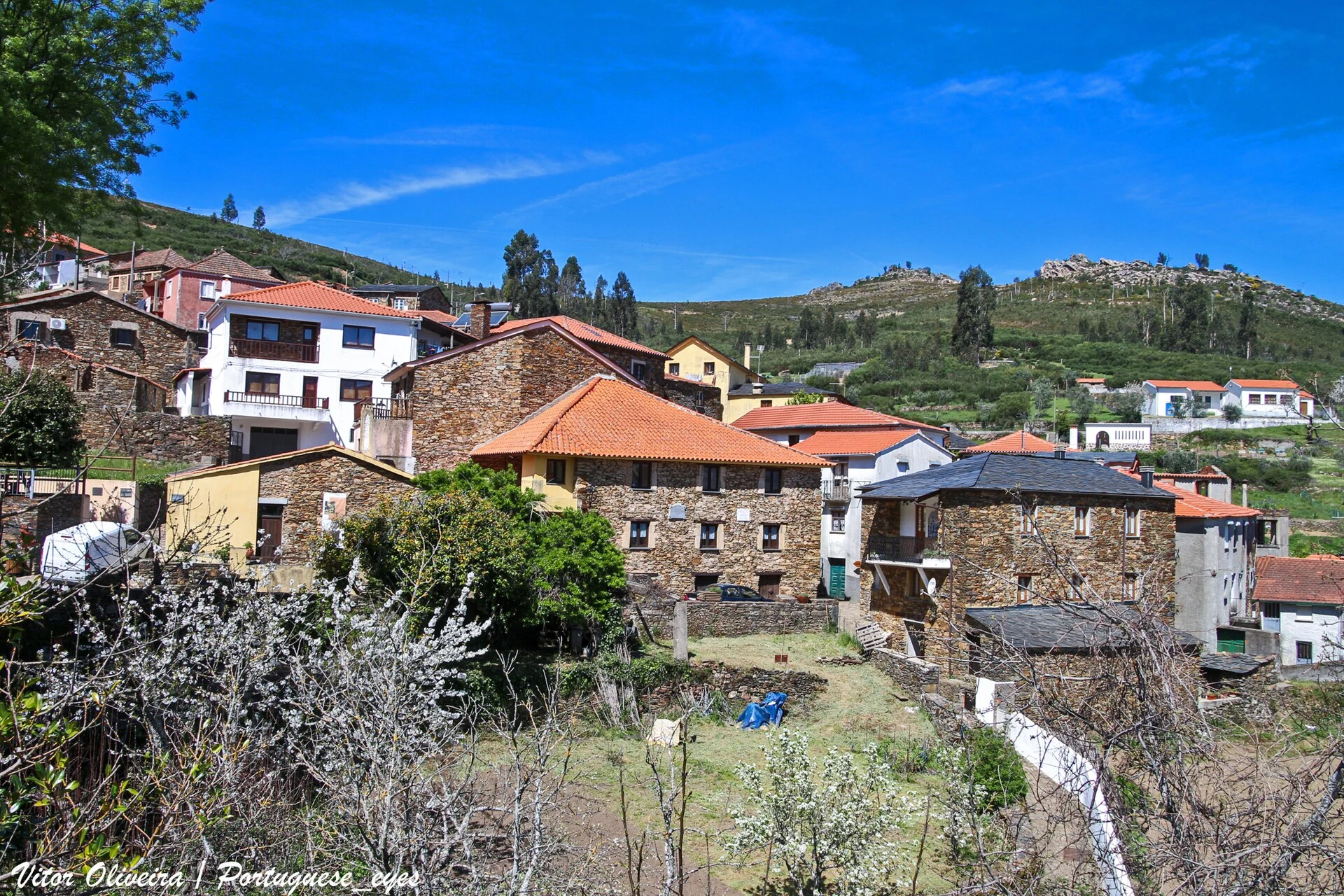
Mountain village between schist and quartzite
View guide →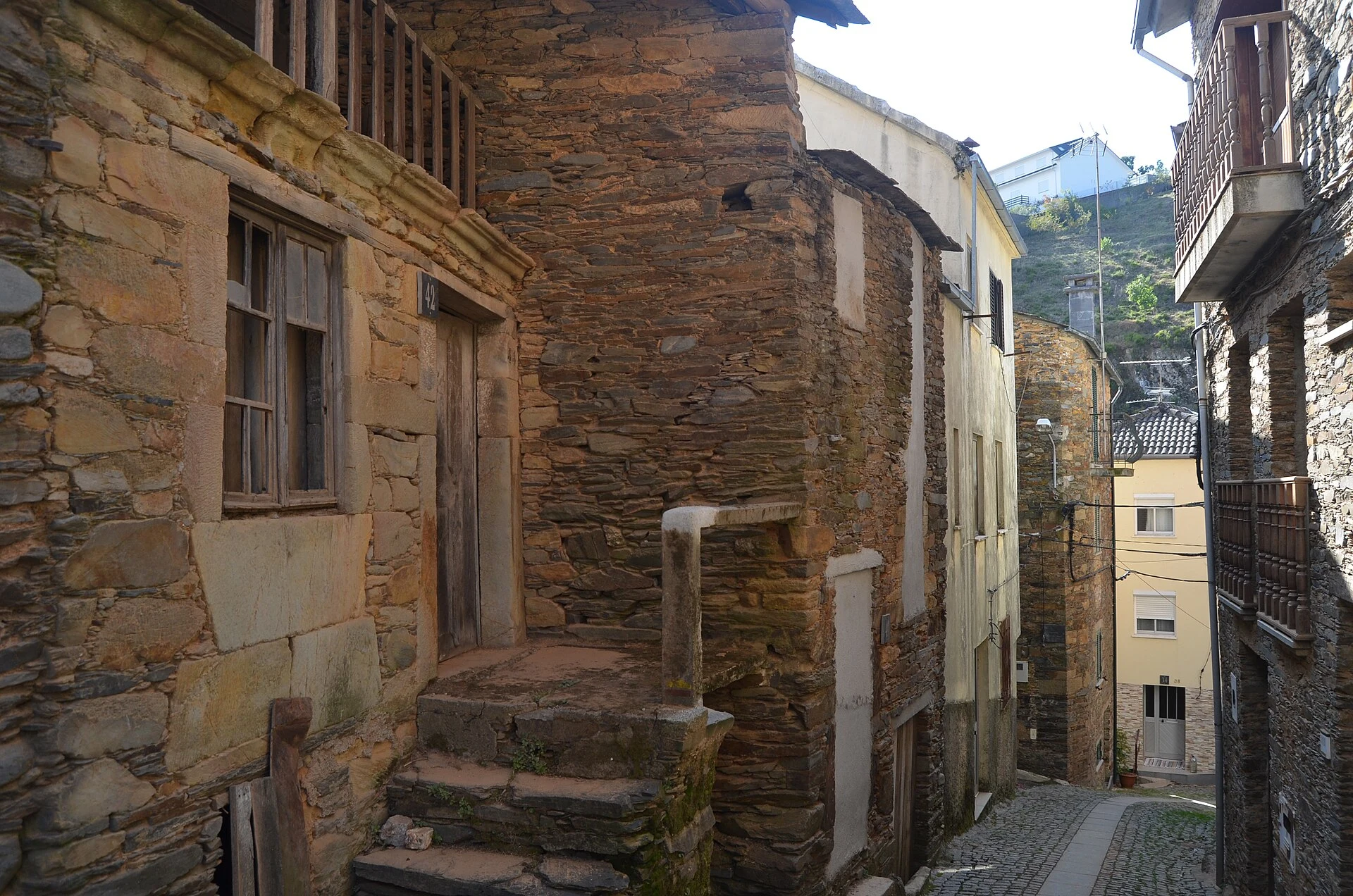
Schist Village · Serra do Açor
View guide →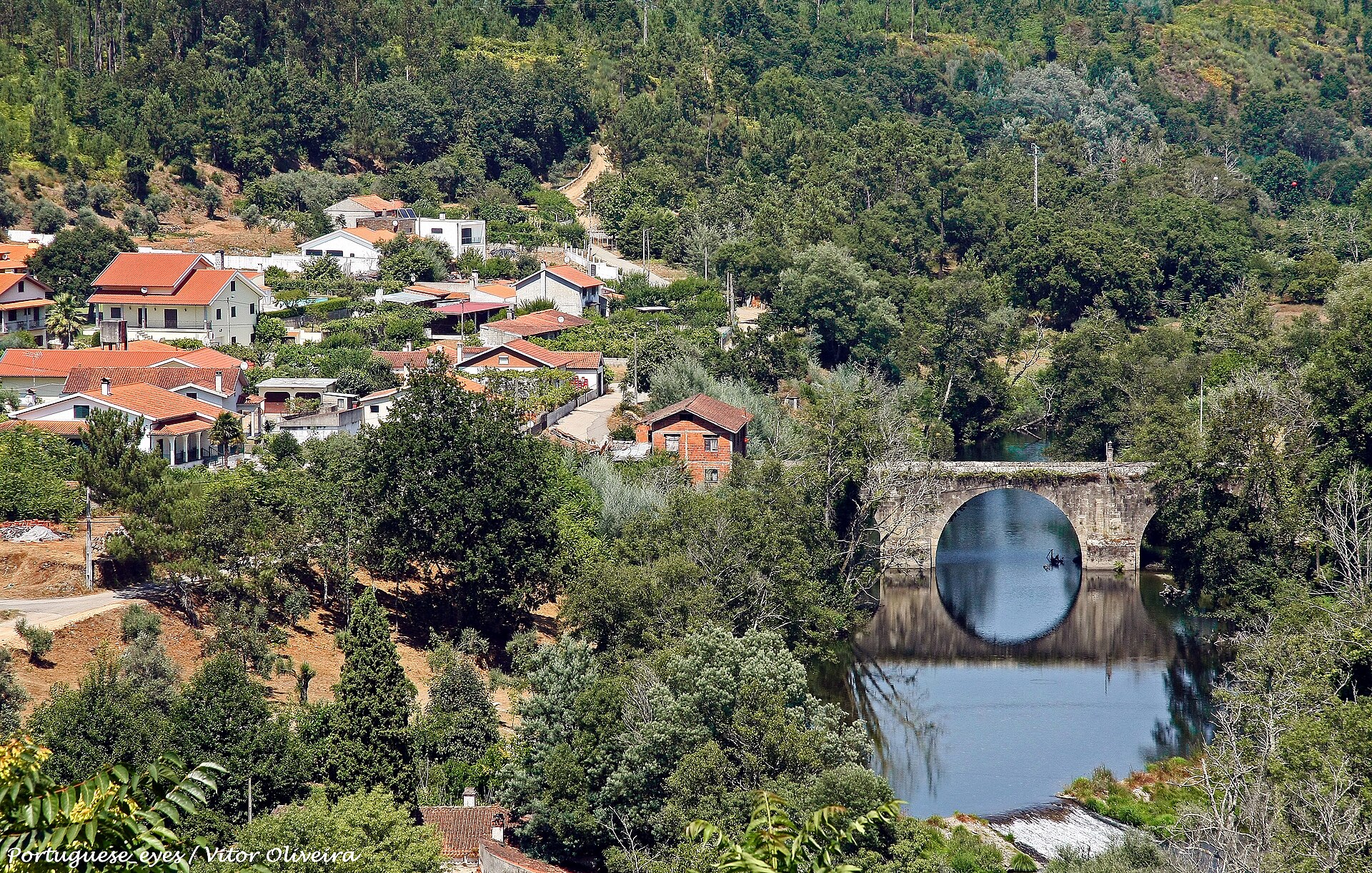
Schist Village · Serra do Açor
View guide →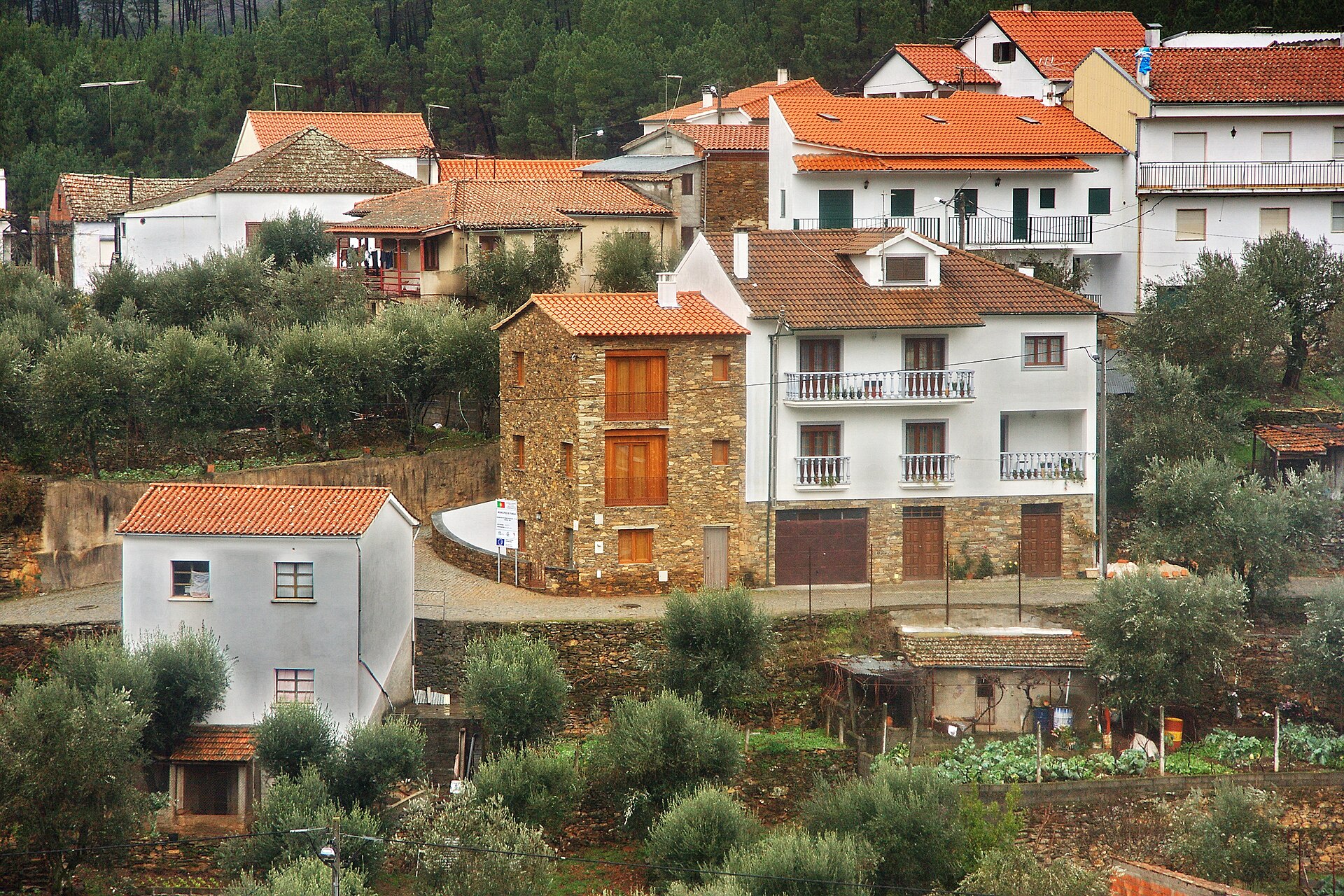
Schist Village · Zêzere
View guide →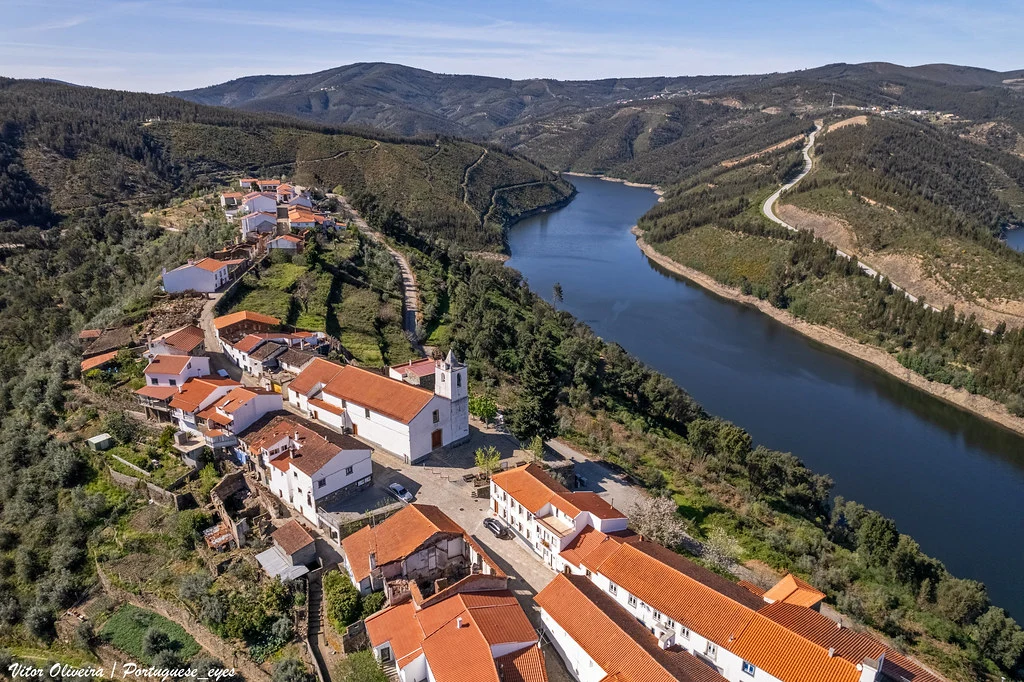
Schist Village · Zêzere
View guide →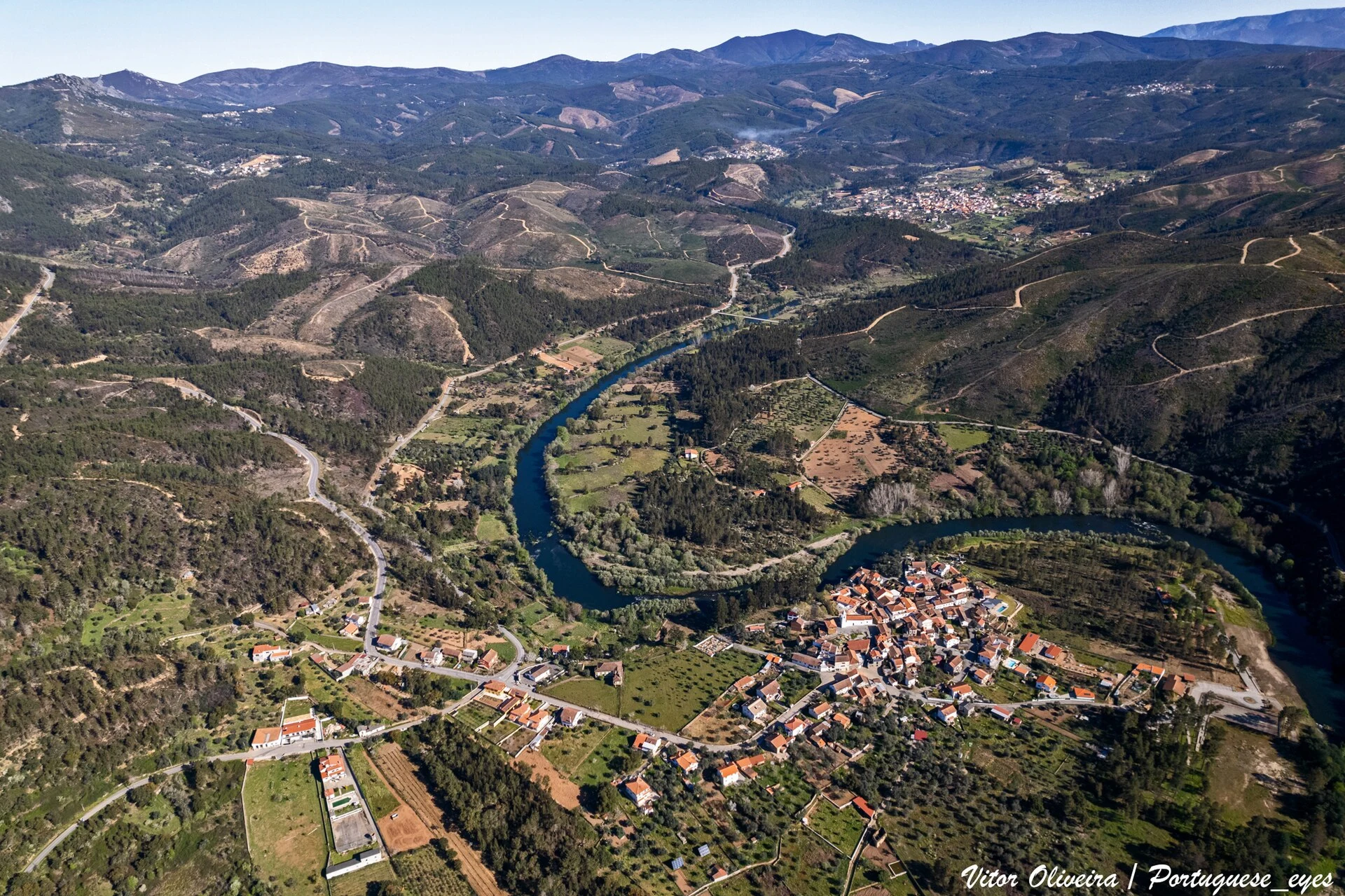
Schist Village · Zêzere
View guide →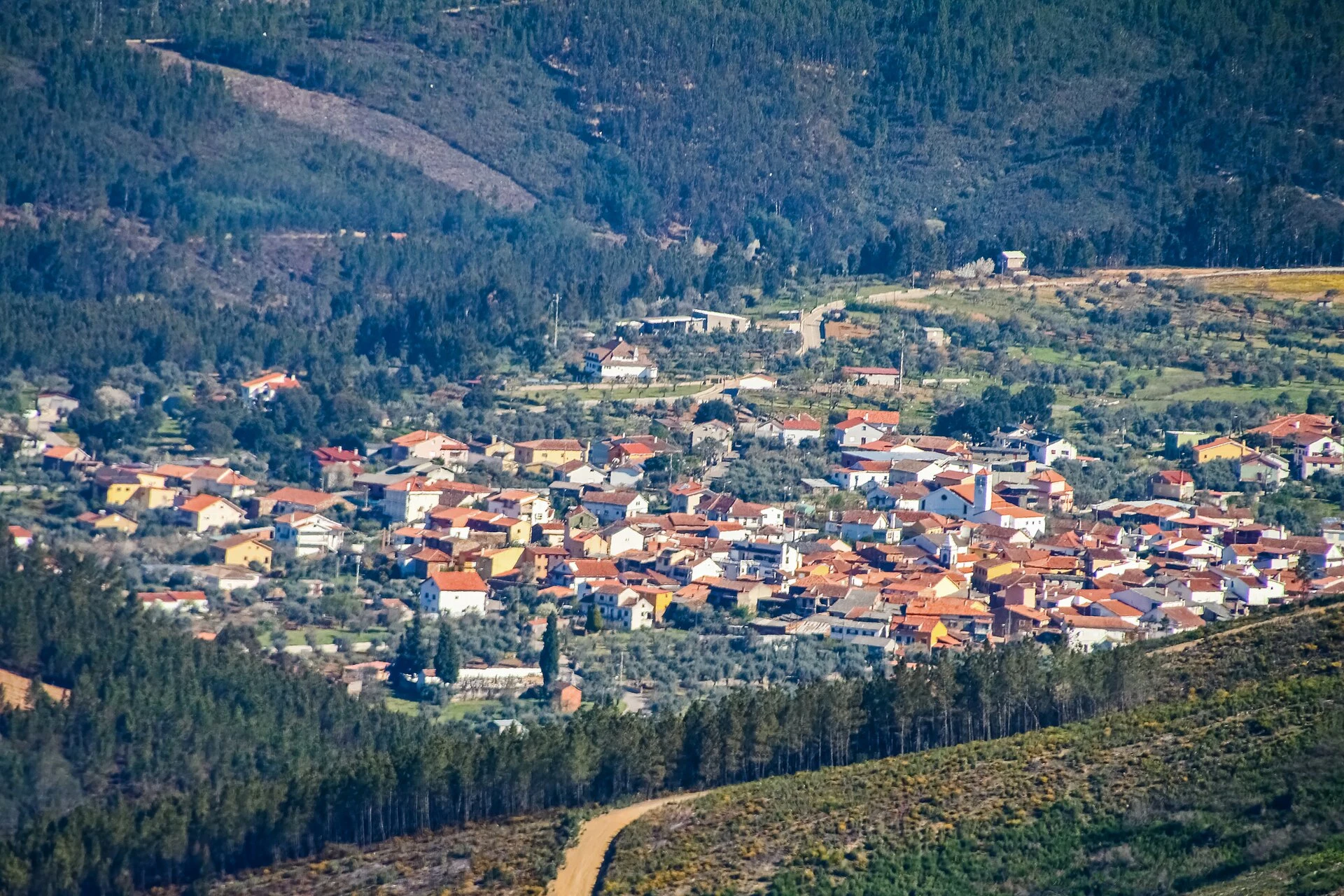
Shale and pebbles next to Zêzere
View guide →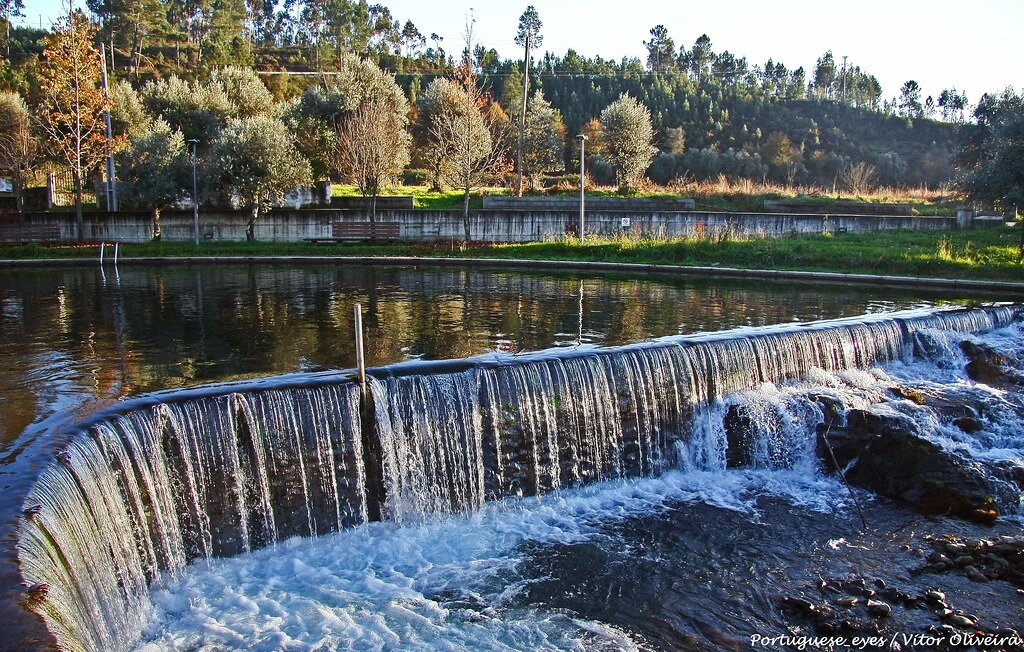
Schist Village · Zêzere
View guide →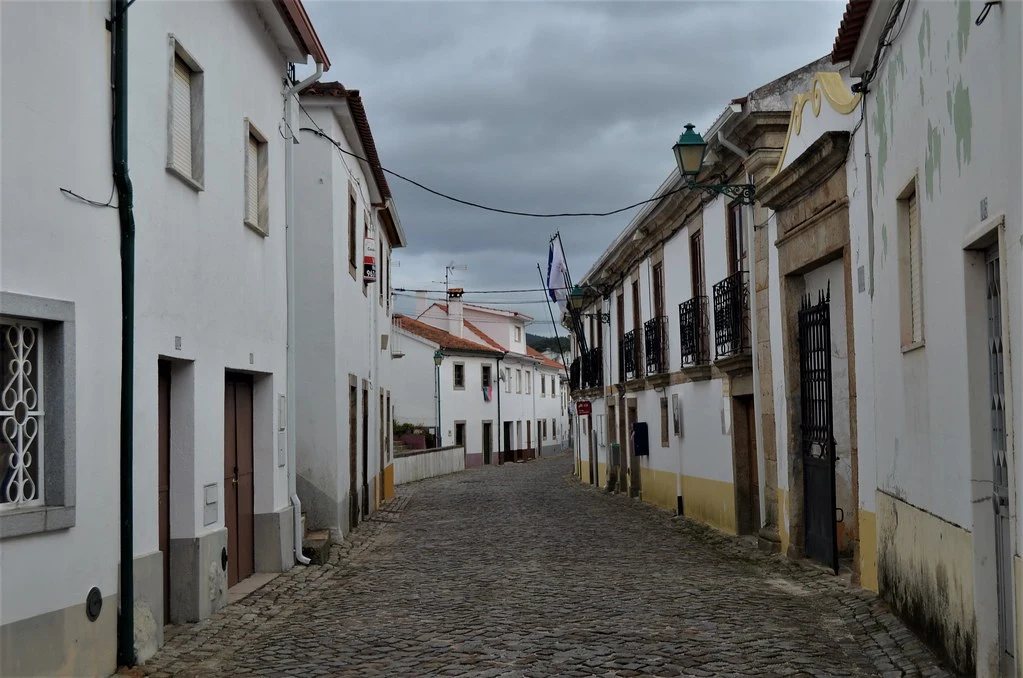
Schist Village · Zêzere
View guide →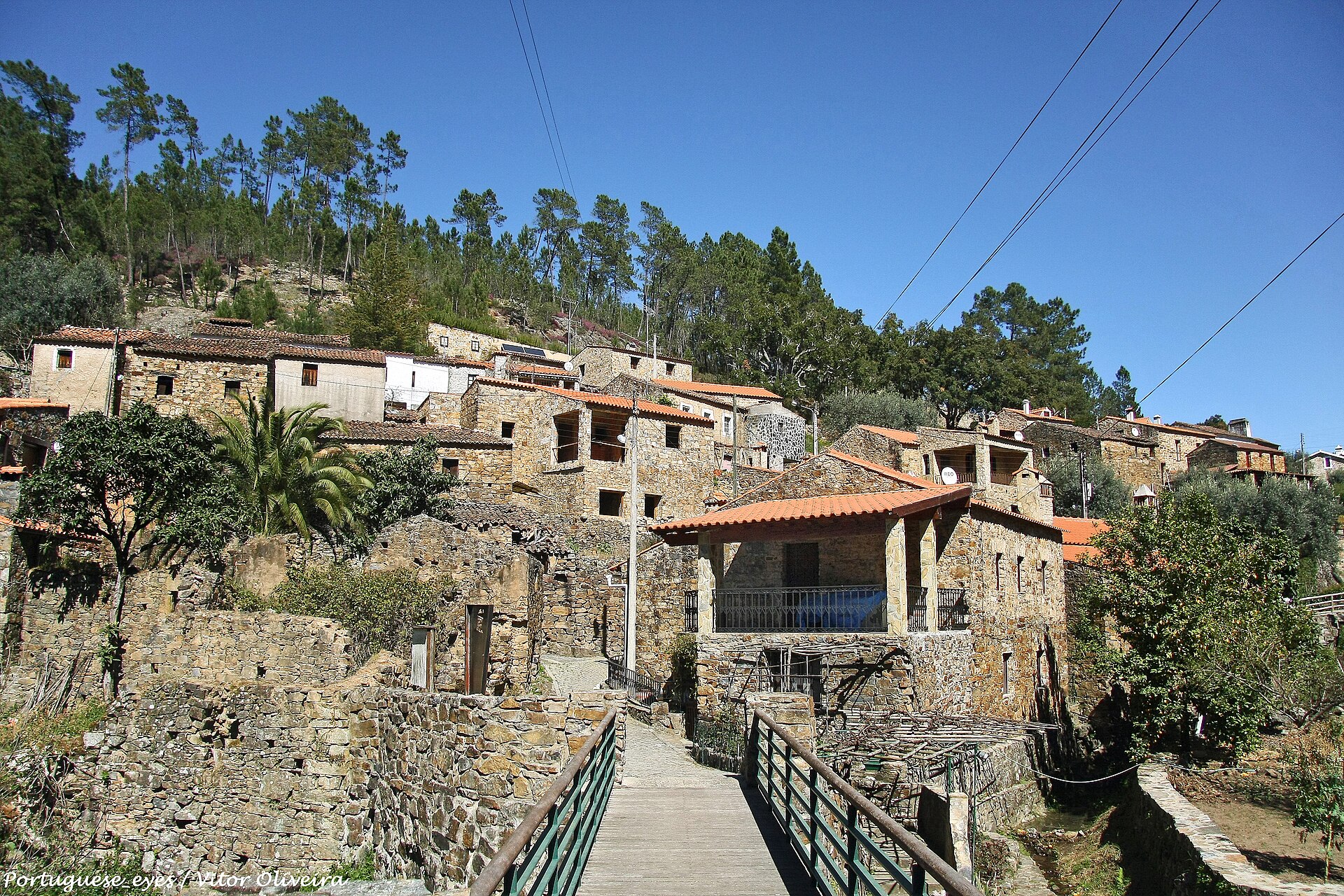
Small shale core between streams
View guide →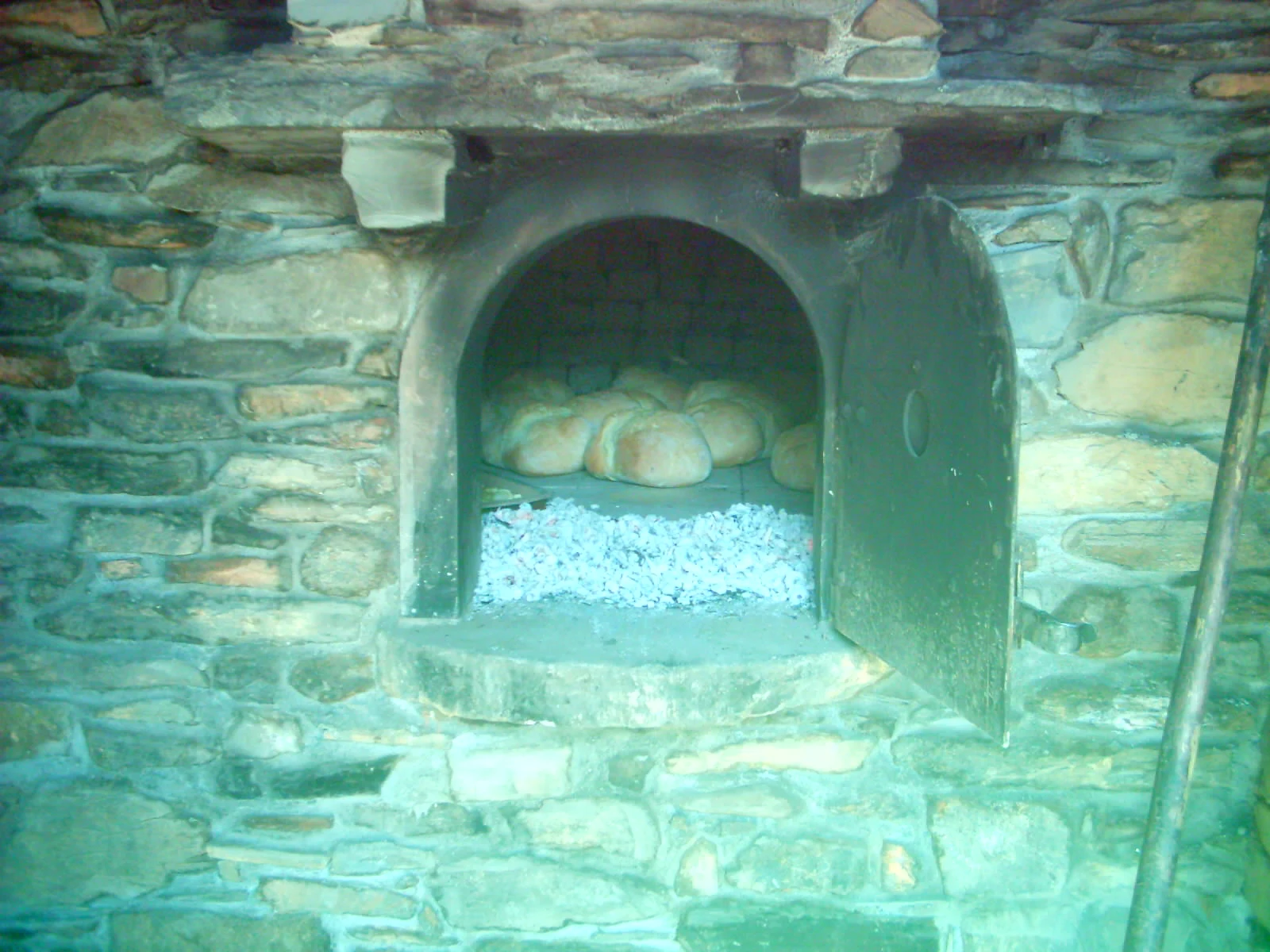
Schist Village · Tejo–Ocreza
View guide →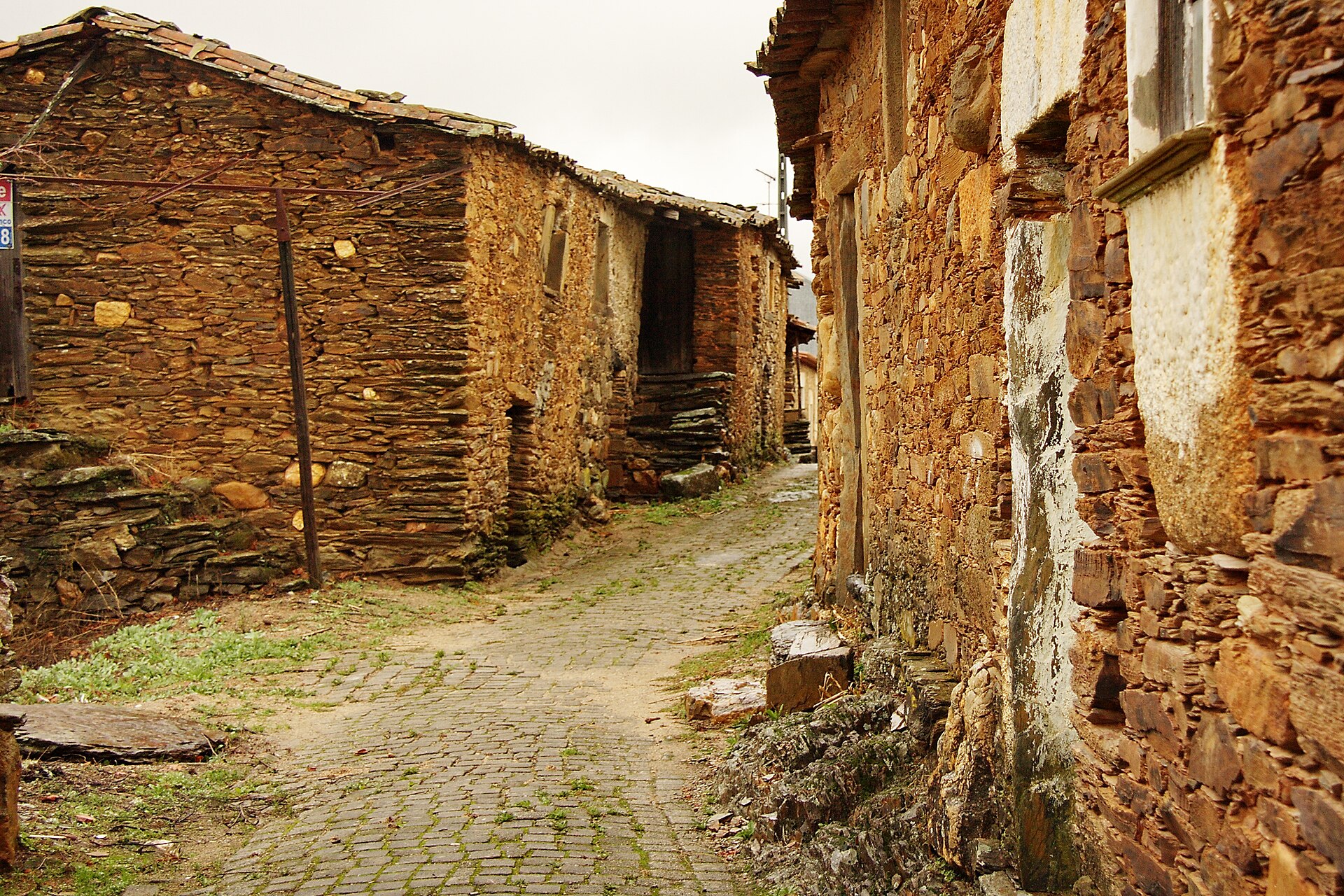
Schist walls next to the Ocreza river
View guide →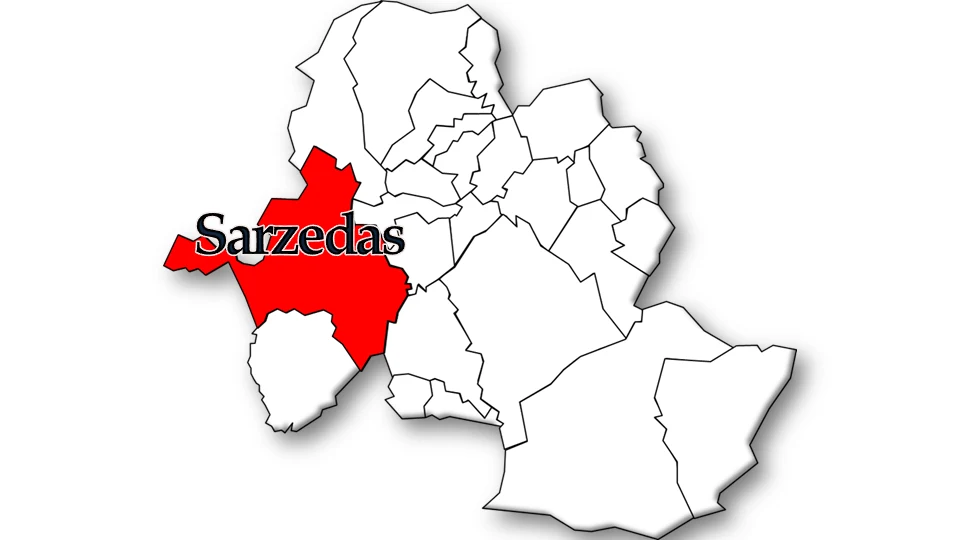
Ancient village over the Ocreza valley
View guide →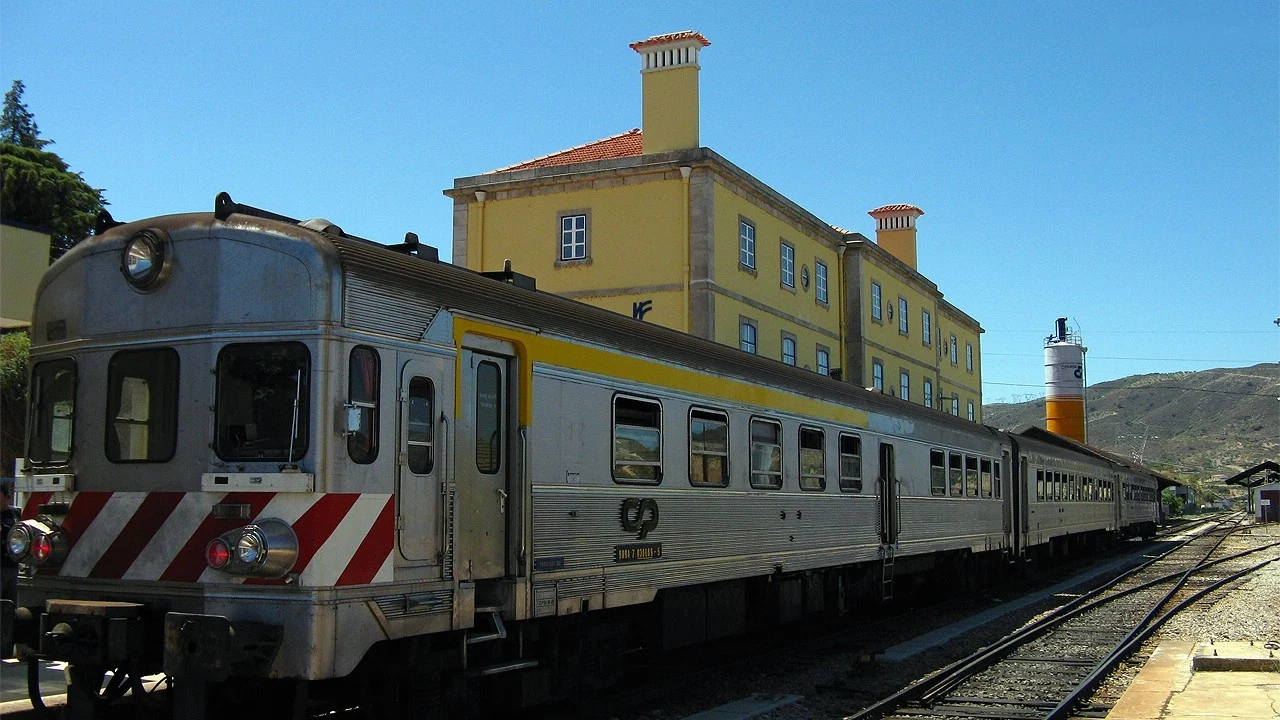
Terminal station in Douro Superior
View guide →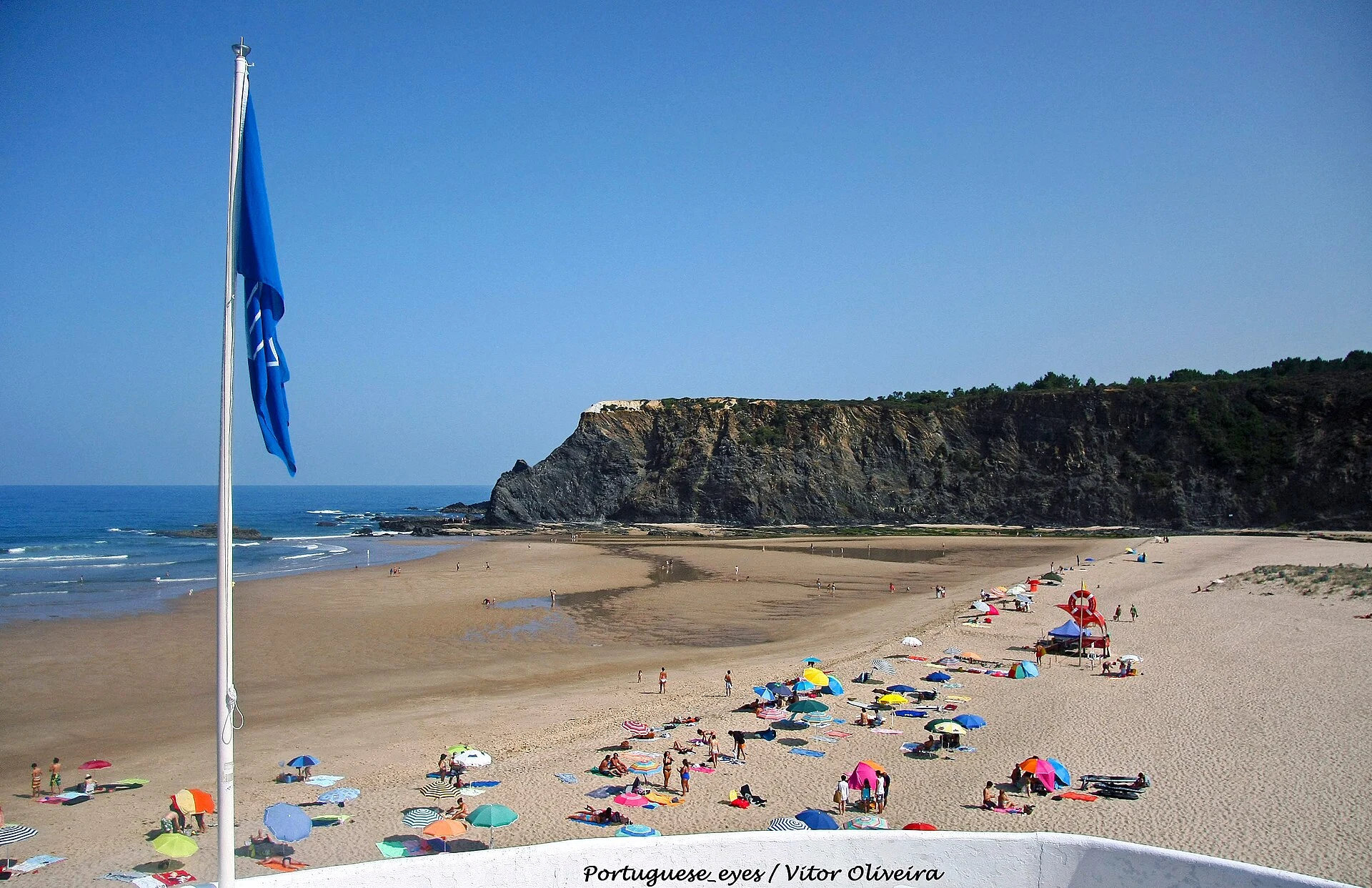
Sea and river at the mouth of Seixe
View guide →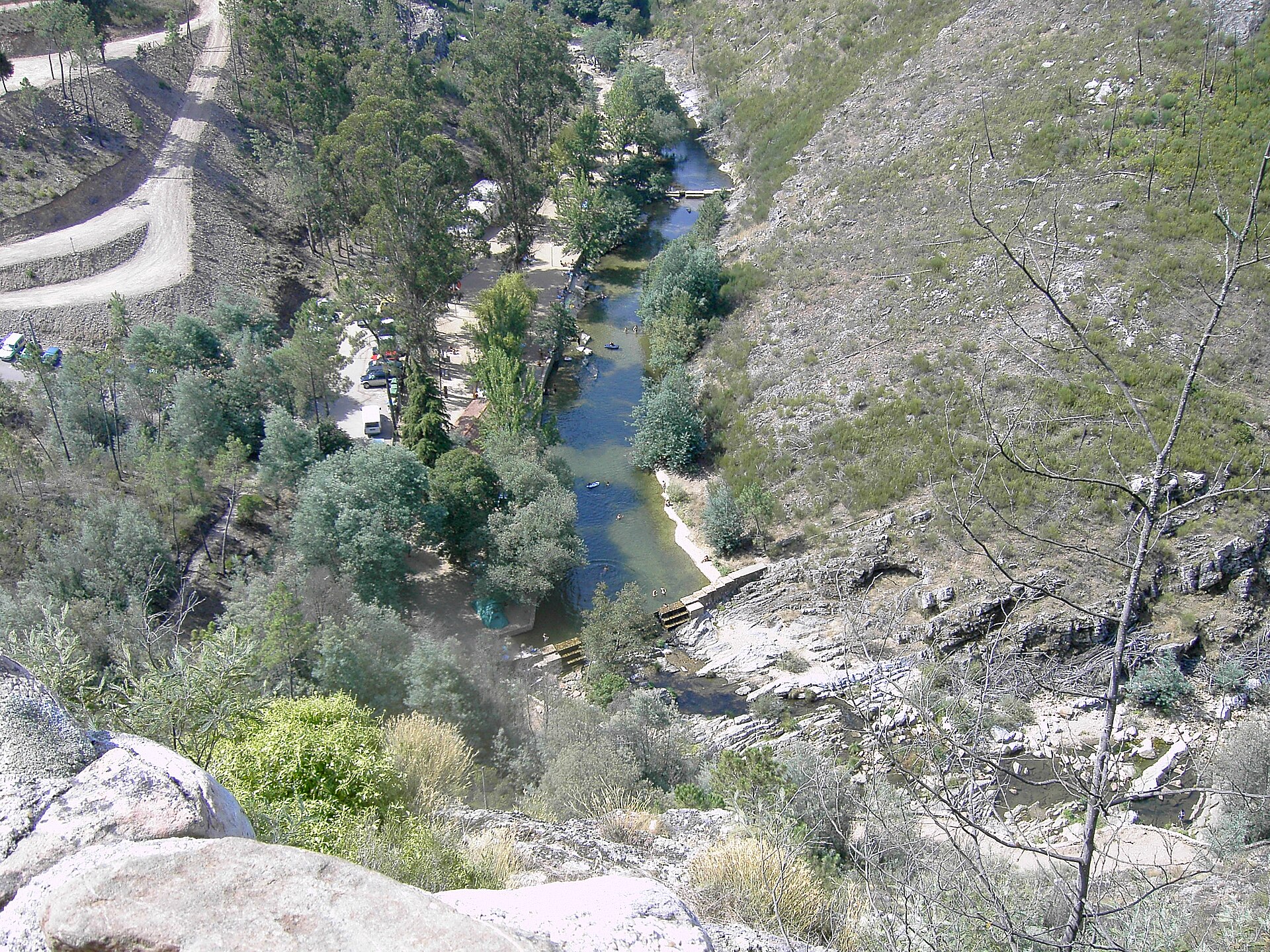
Waterfalls and walkways in Vila de Rei
View guide →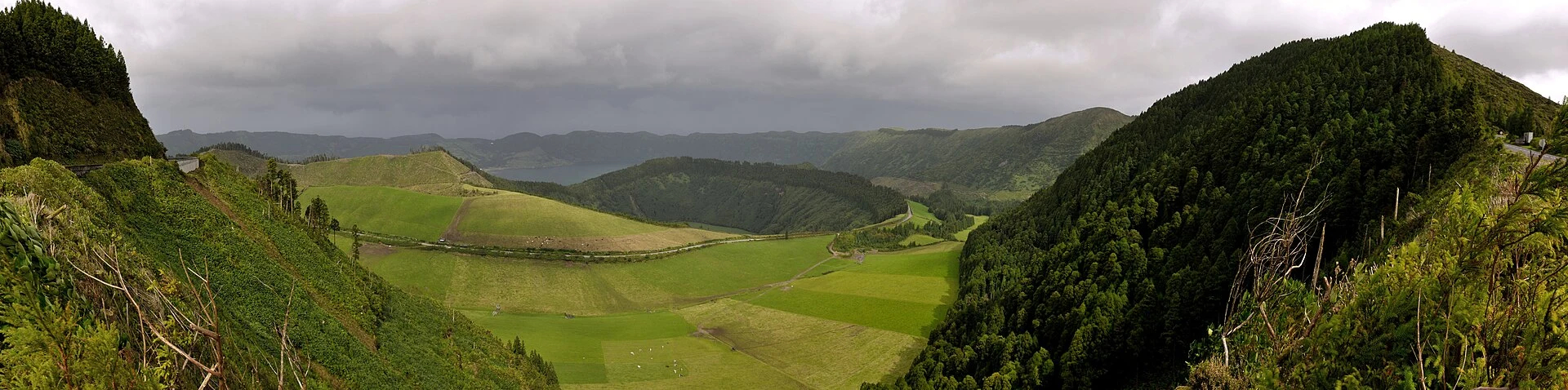
Volcanic caldera and lagoons in São Miguel
View guide →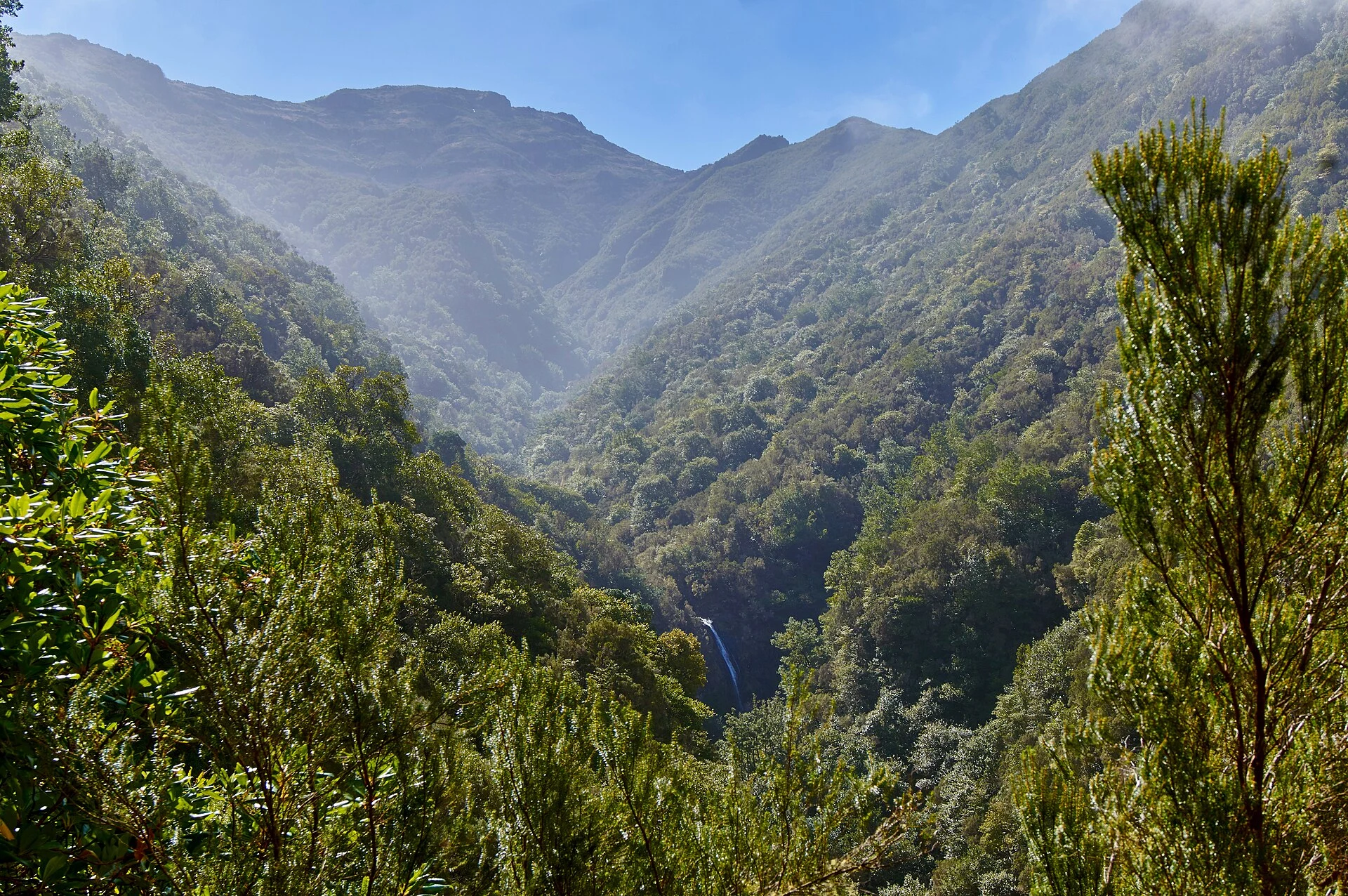
Water channels and paths around the island
View guide →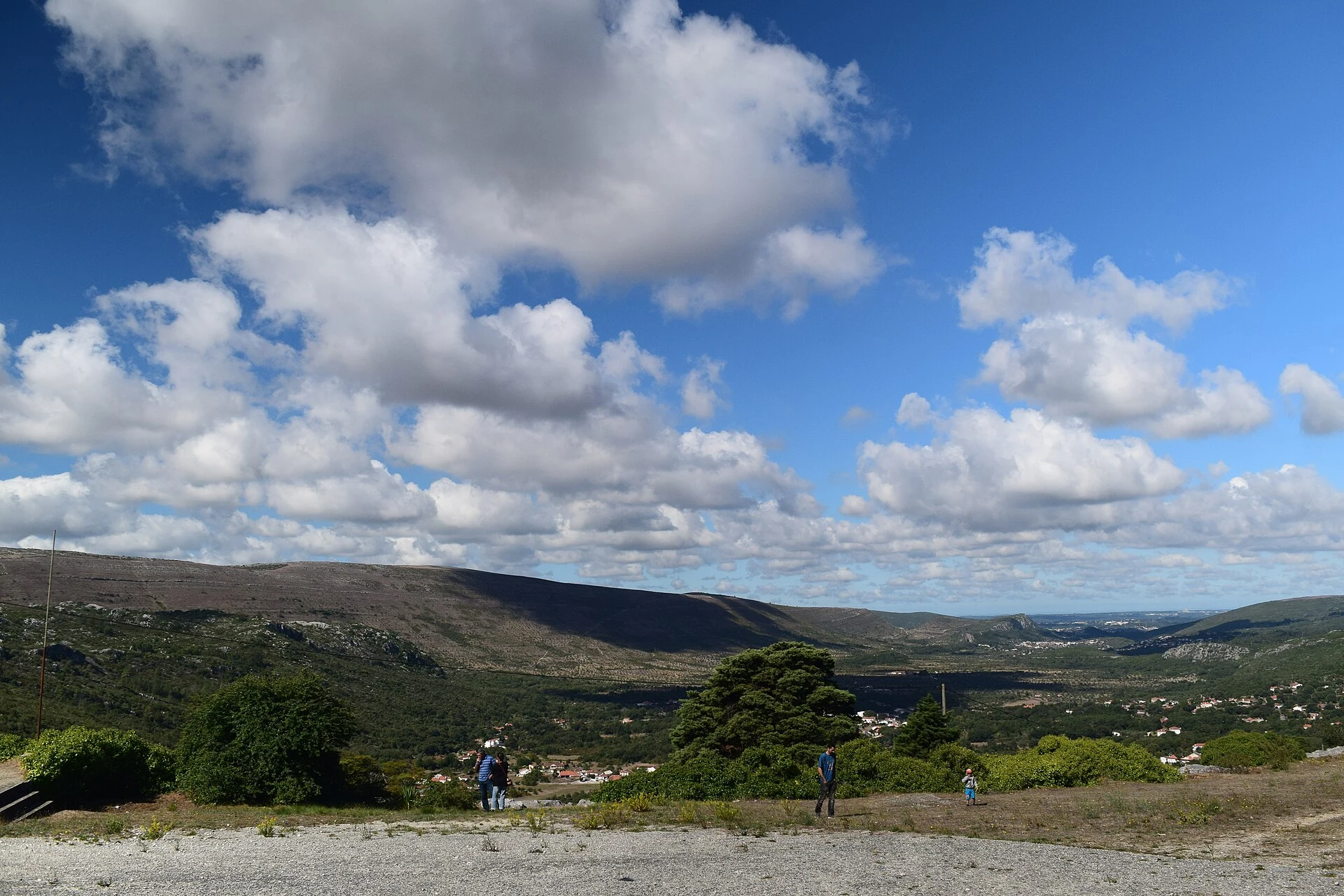
Limestone, caves and dry stone walls
View guide →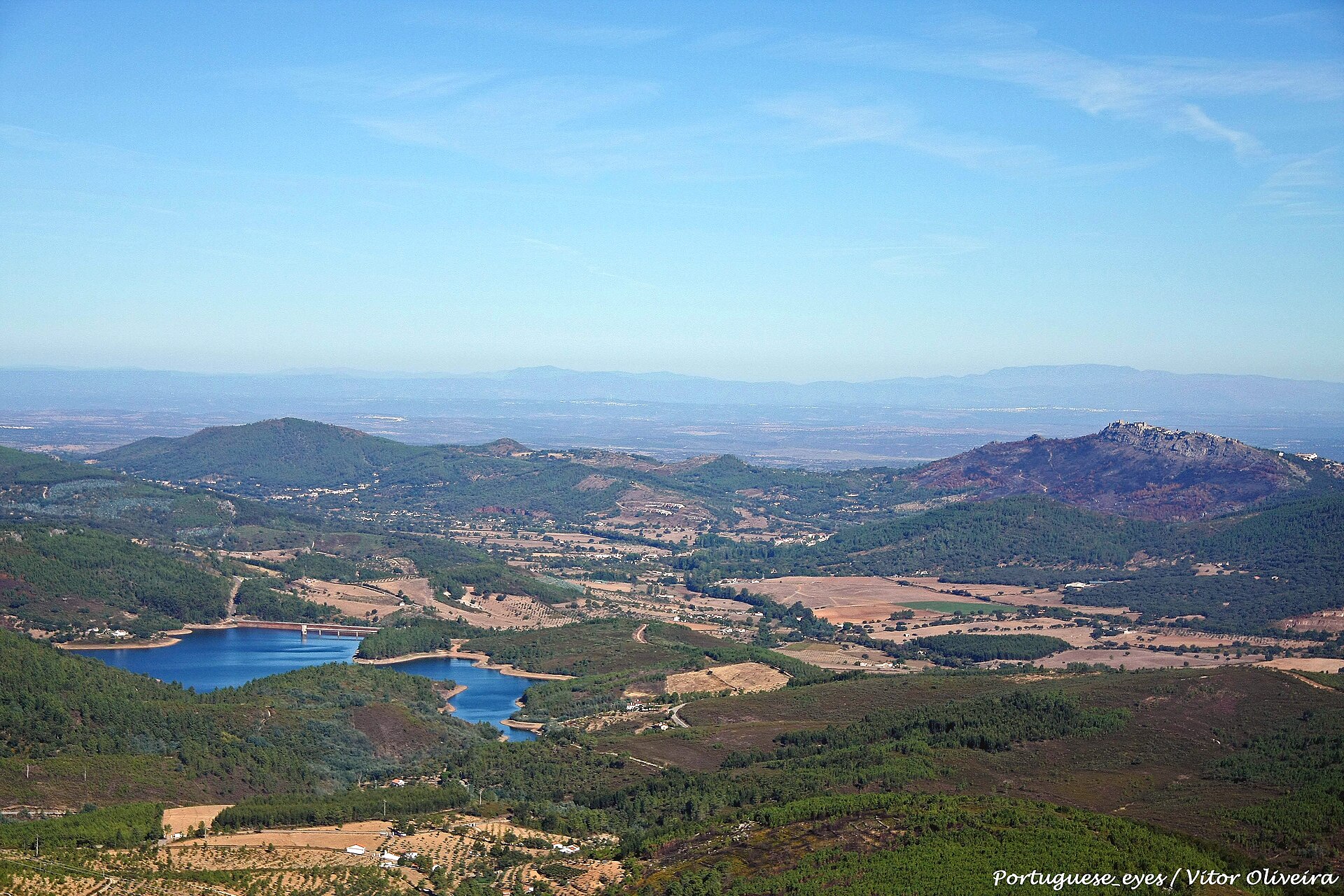
Altitude and diversity in Alto Alentejo
View guide →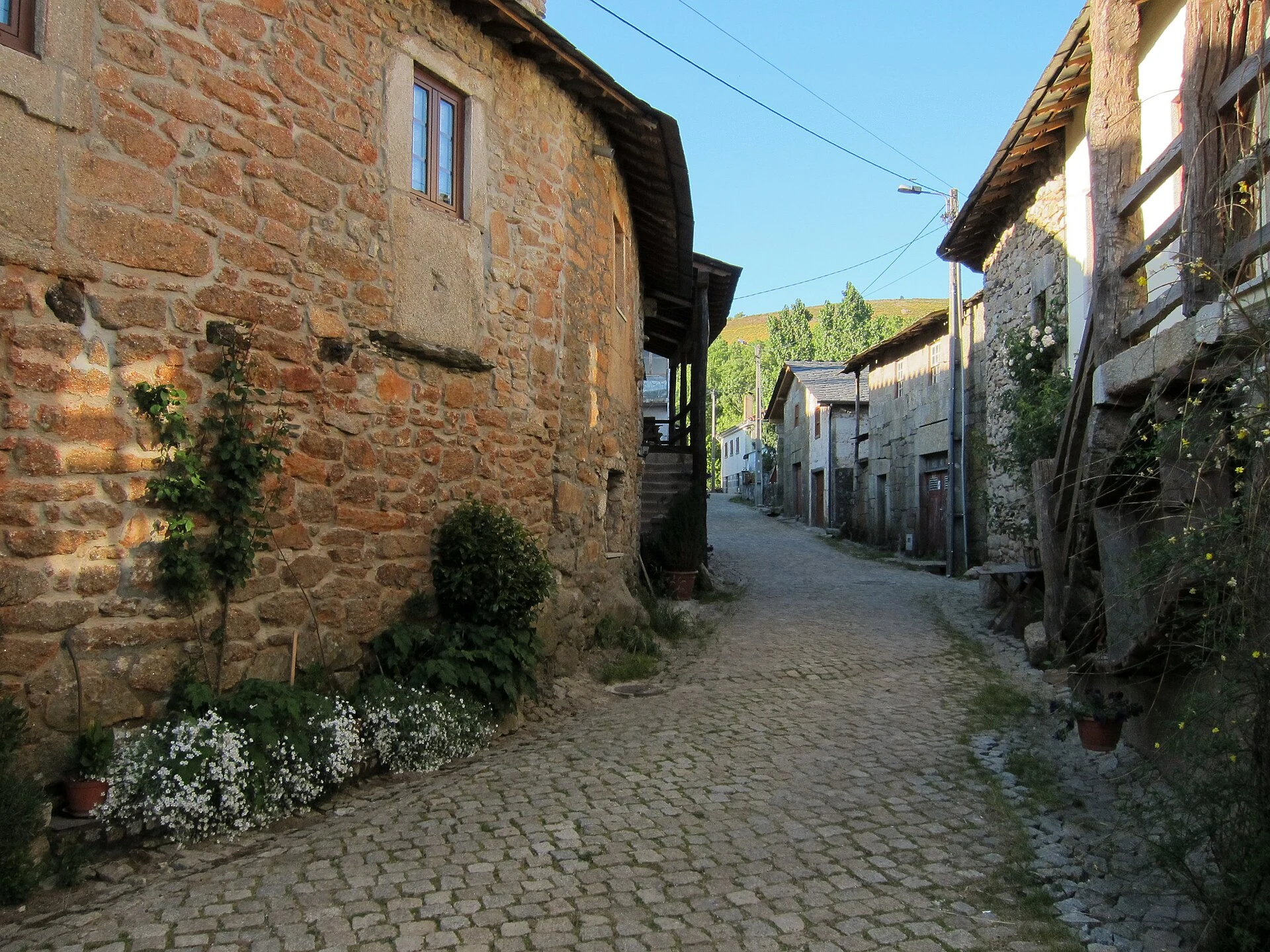
Villages, plateaus and forests in Trás-os-Montes
View guide →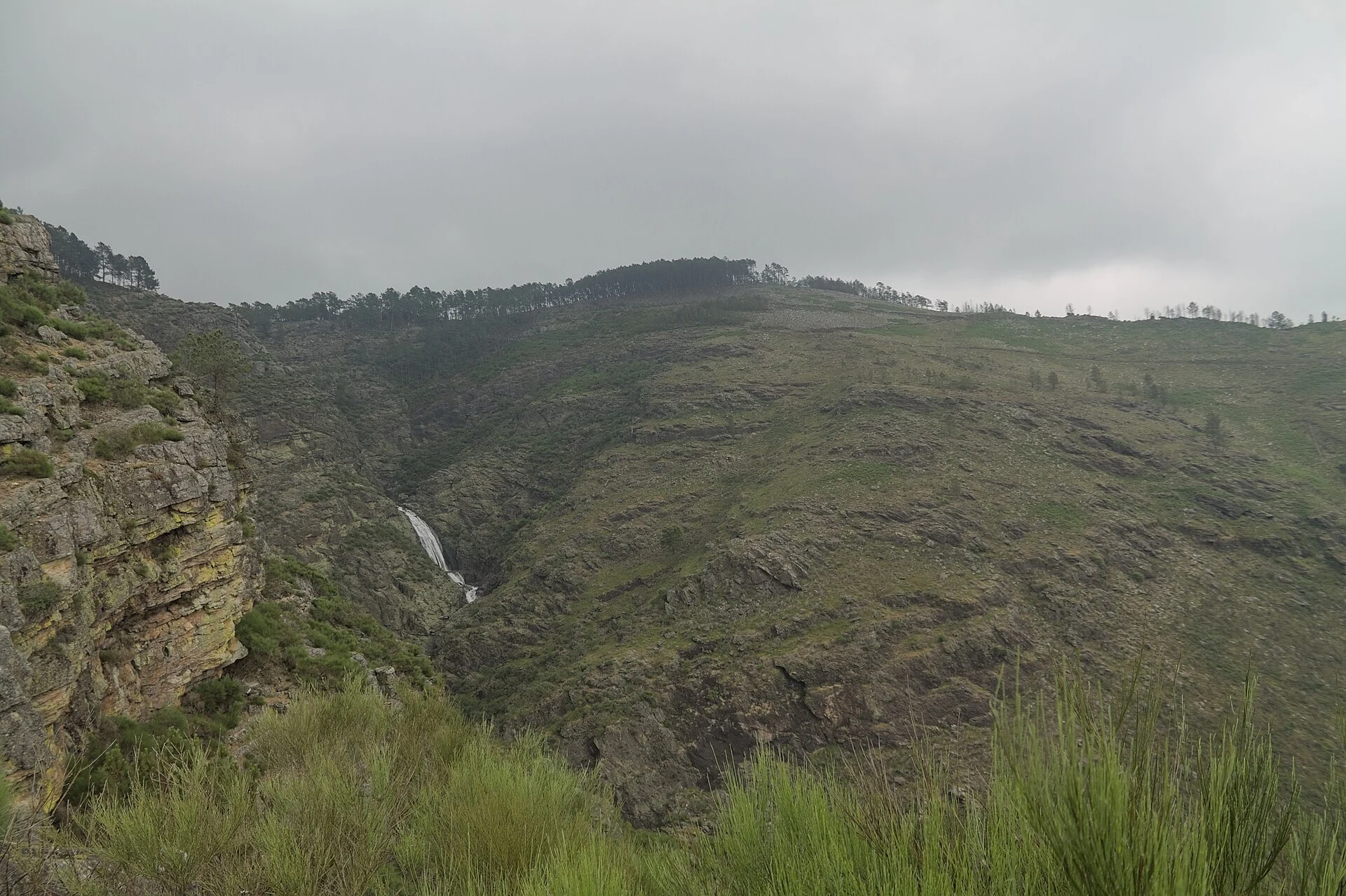
Granite, schist and Fisgas de Ermelo
View guide →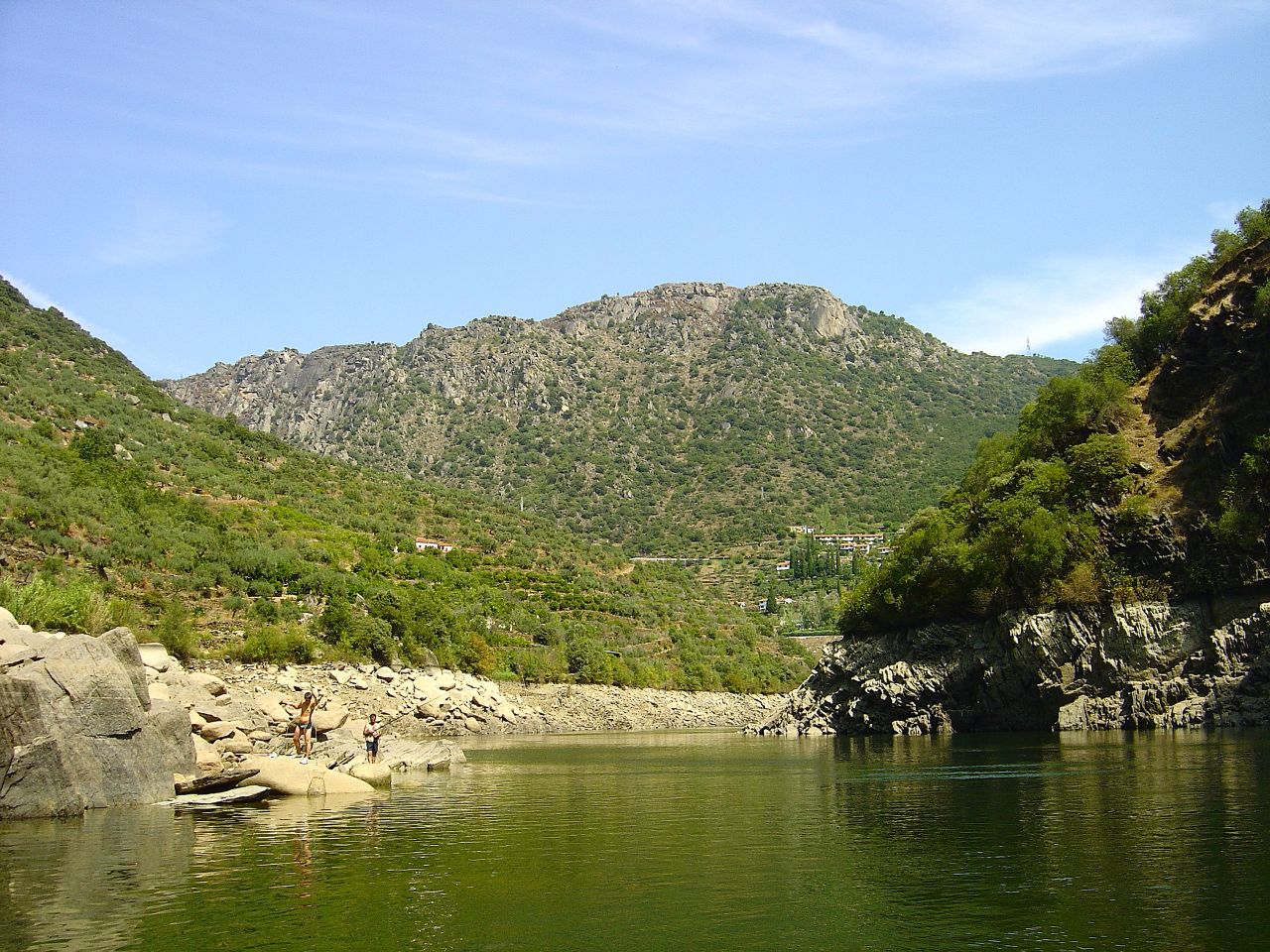
Cliffs and plateaus on the border
View guide →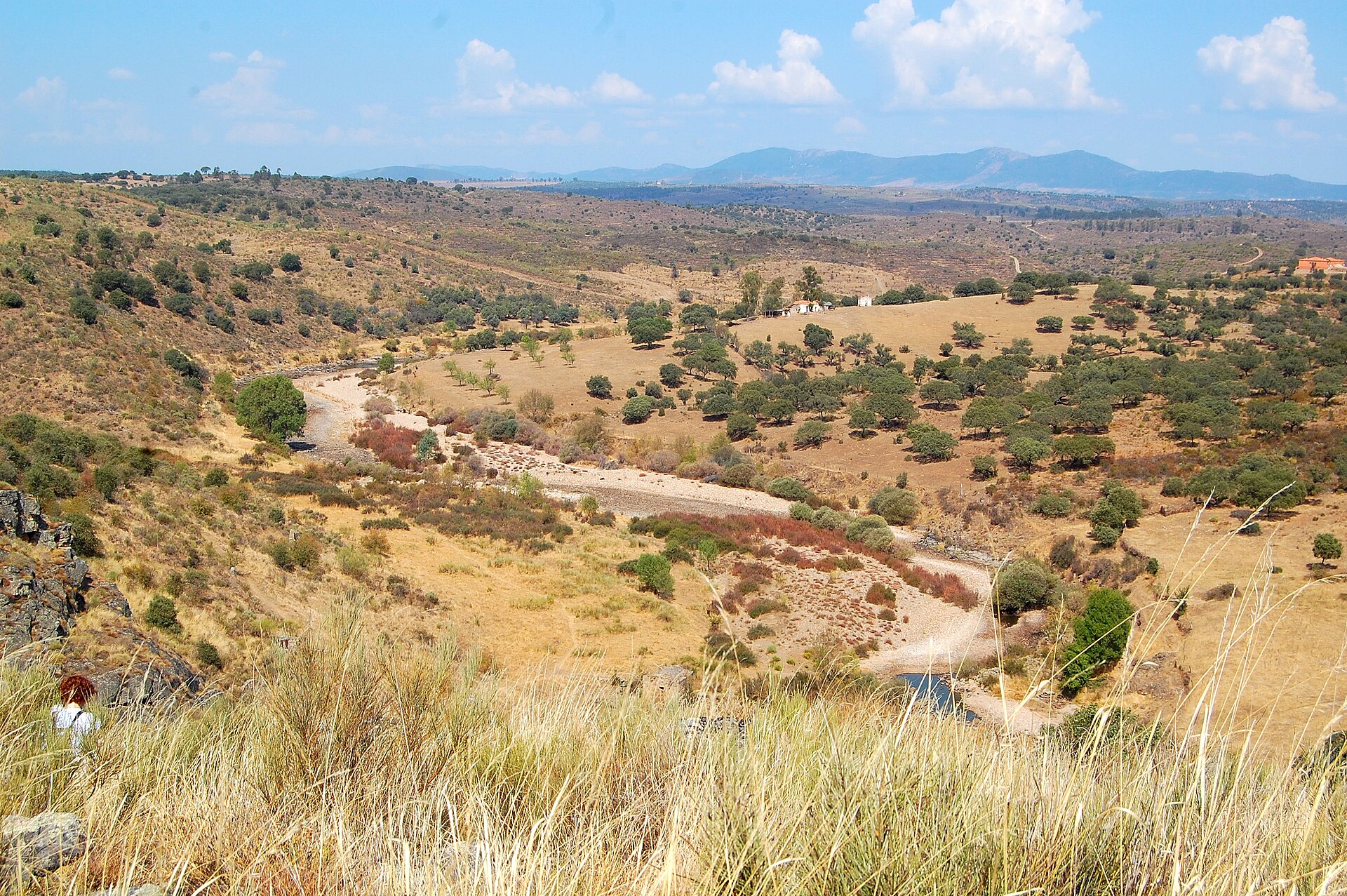
Border valleys and rock birds
View guide →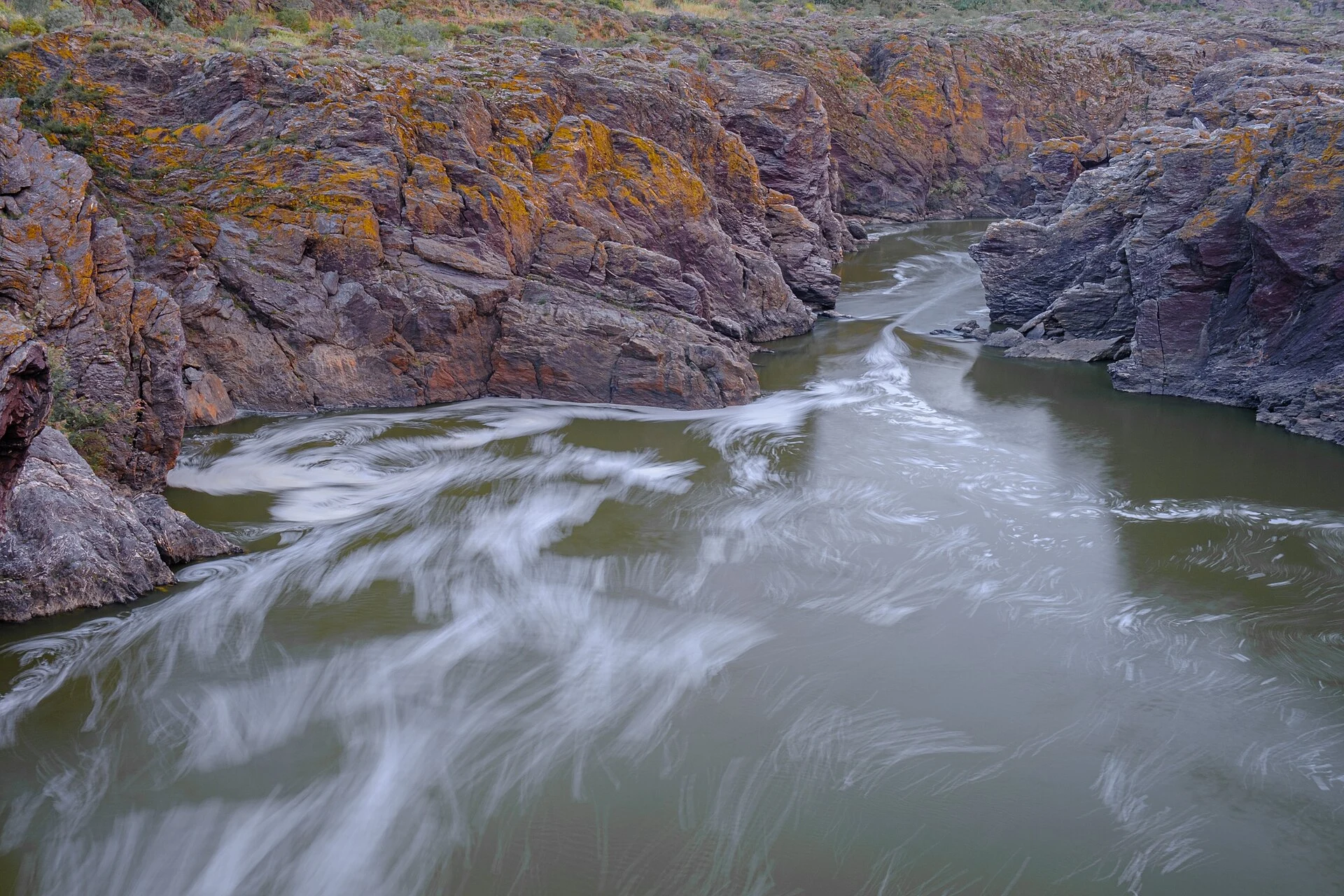
River, steppe and Pulo do Lobo
View guide →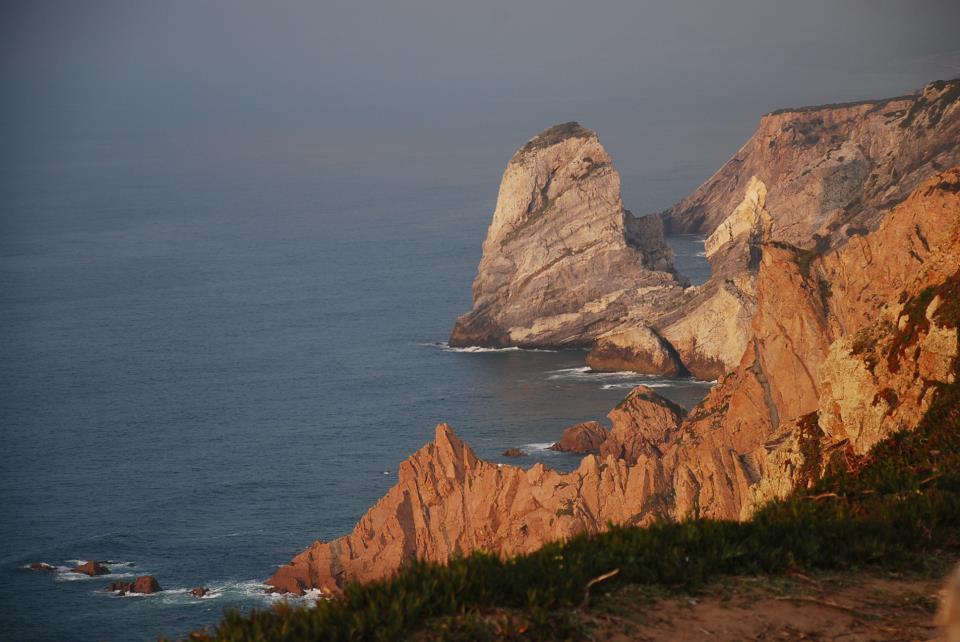
Mountains, palaces and Atlantic coast
View guide →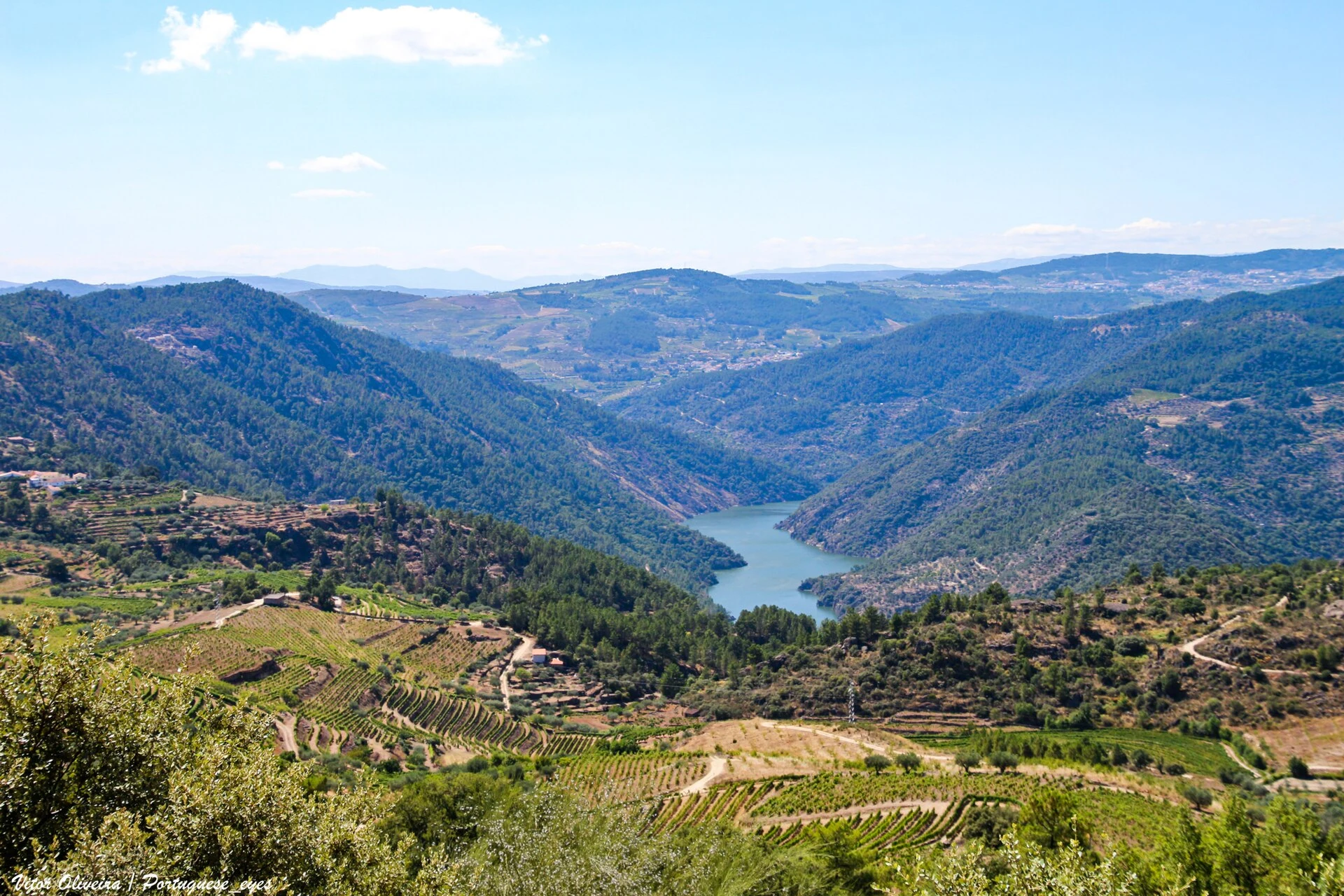
Valleys nestled between Trás-os-Montes and Douro
View guide →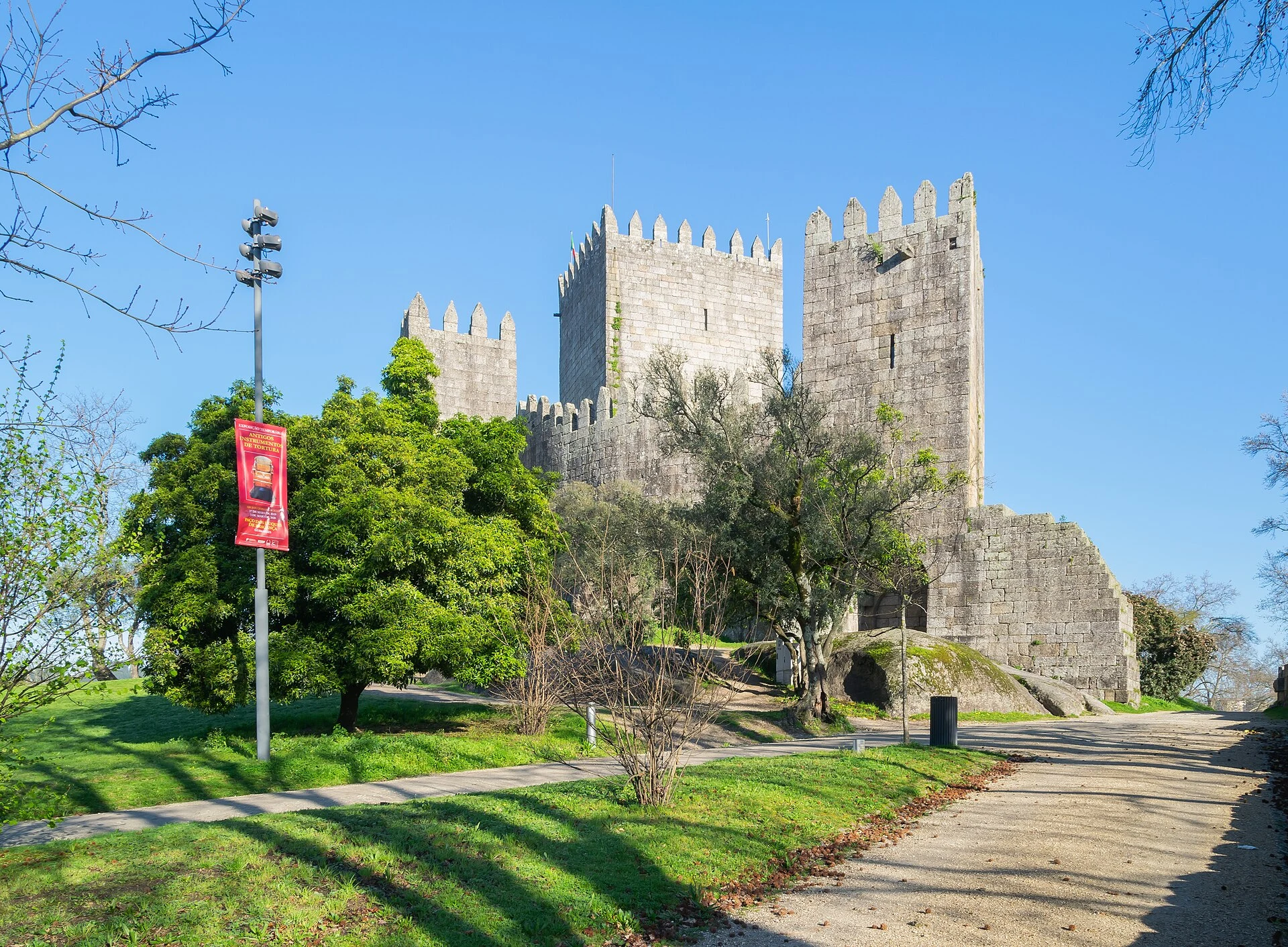
Medieval fortification associated with the formation of the kingdom and the historic nucleus of Guimarães.
View guide →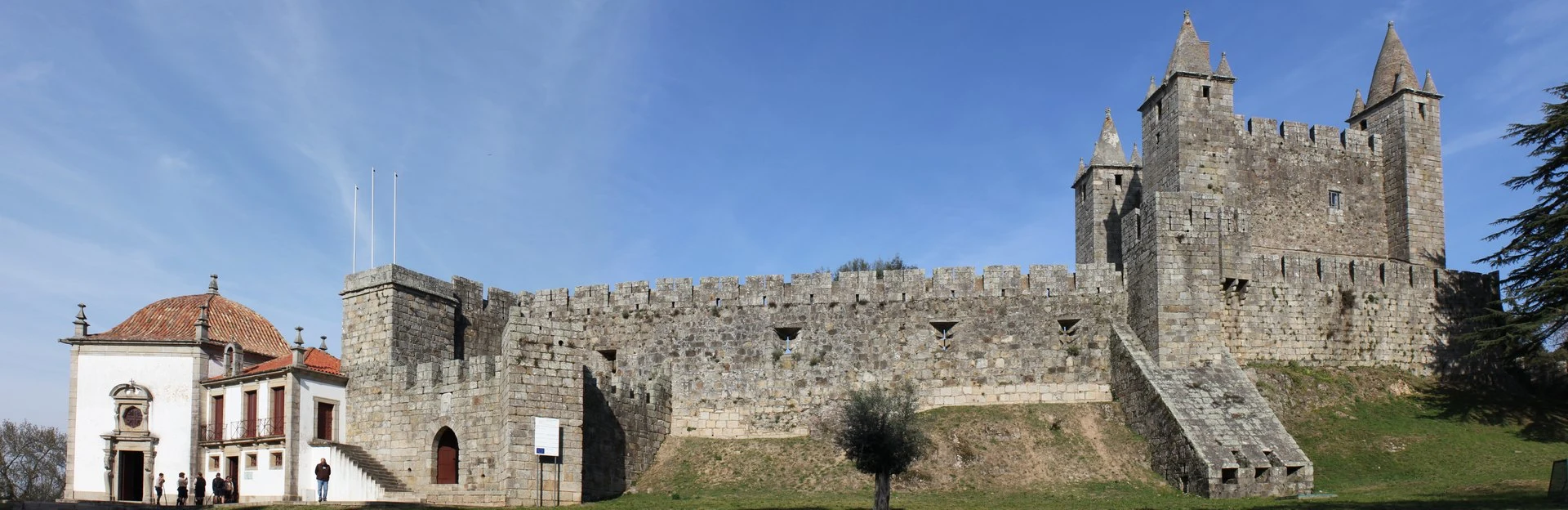
One of the most striking fortified silhouettes in Portugal, with structures from different medieval phases.
View guide →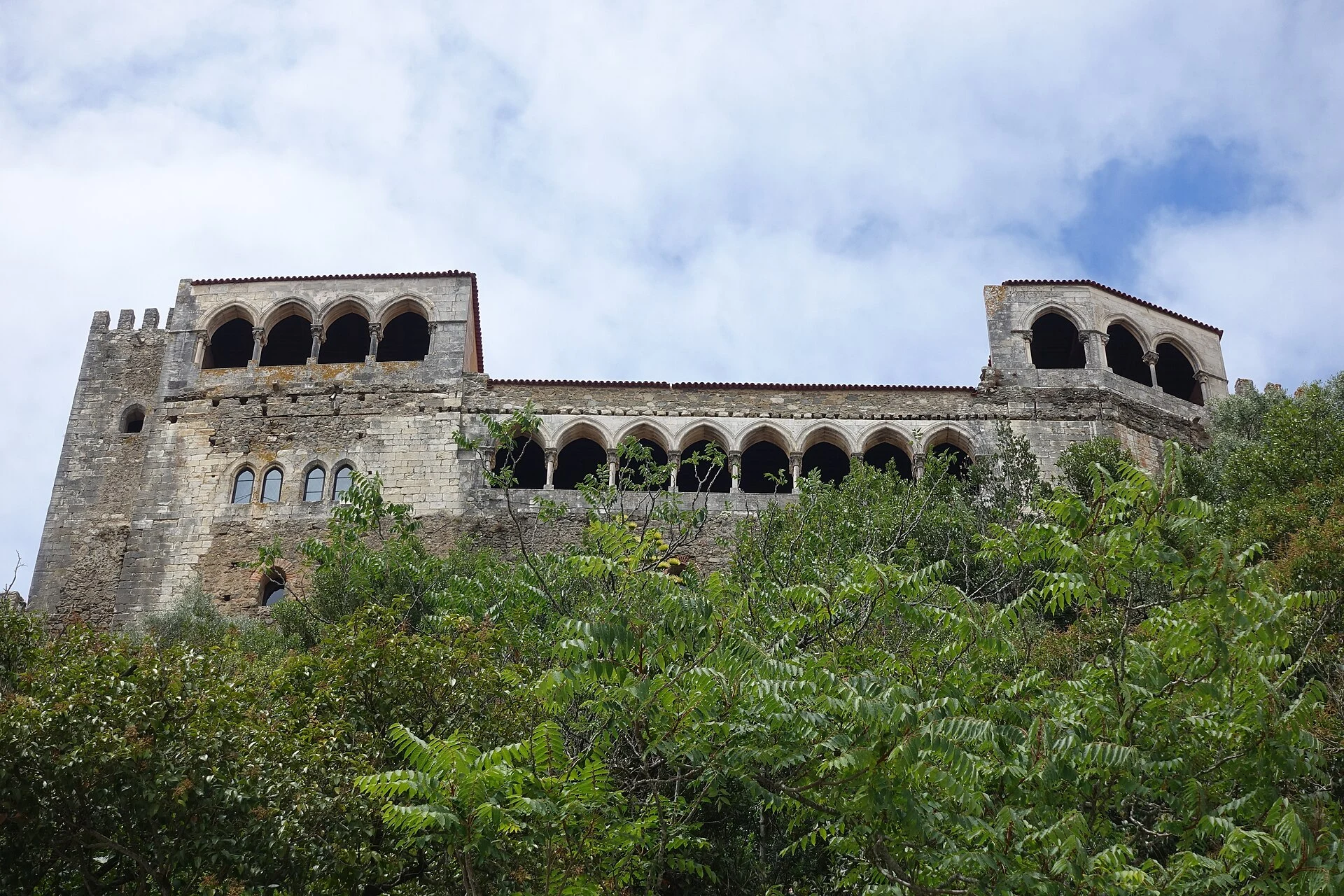
Fortified complex over the city, transformed throughout the Middle Ages and recovered in the 19th and 20th centuries.
View guide →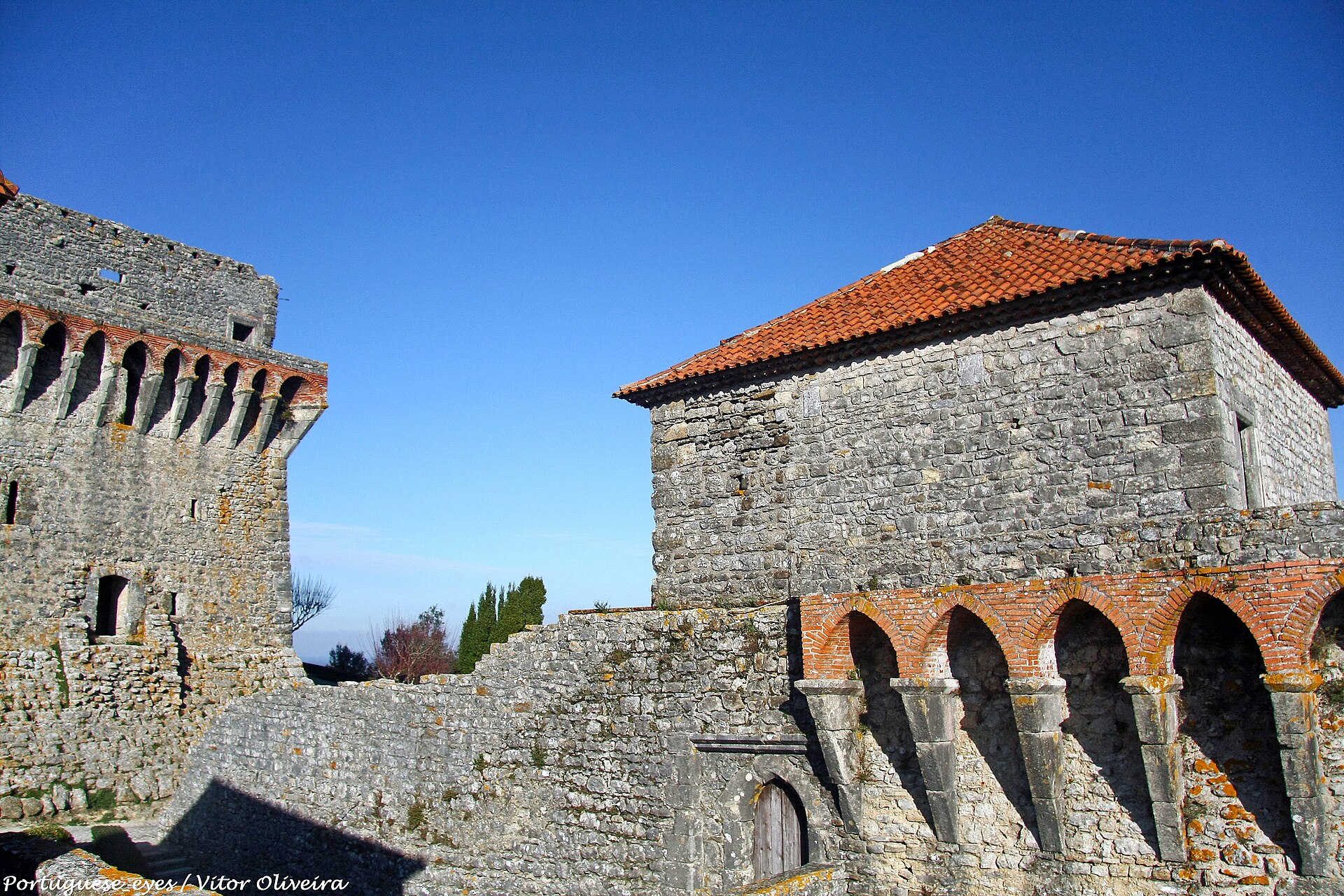
Set classified as a National Monument that brings together the medieval castle and the 14th century palace of the Counts of Ourém.
View guide →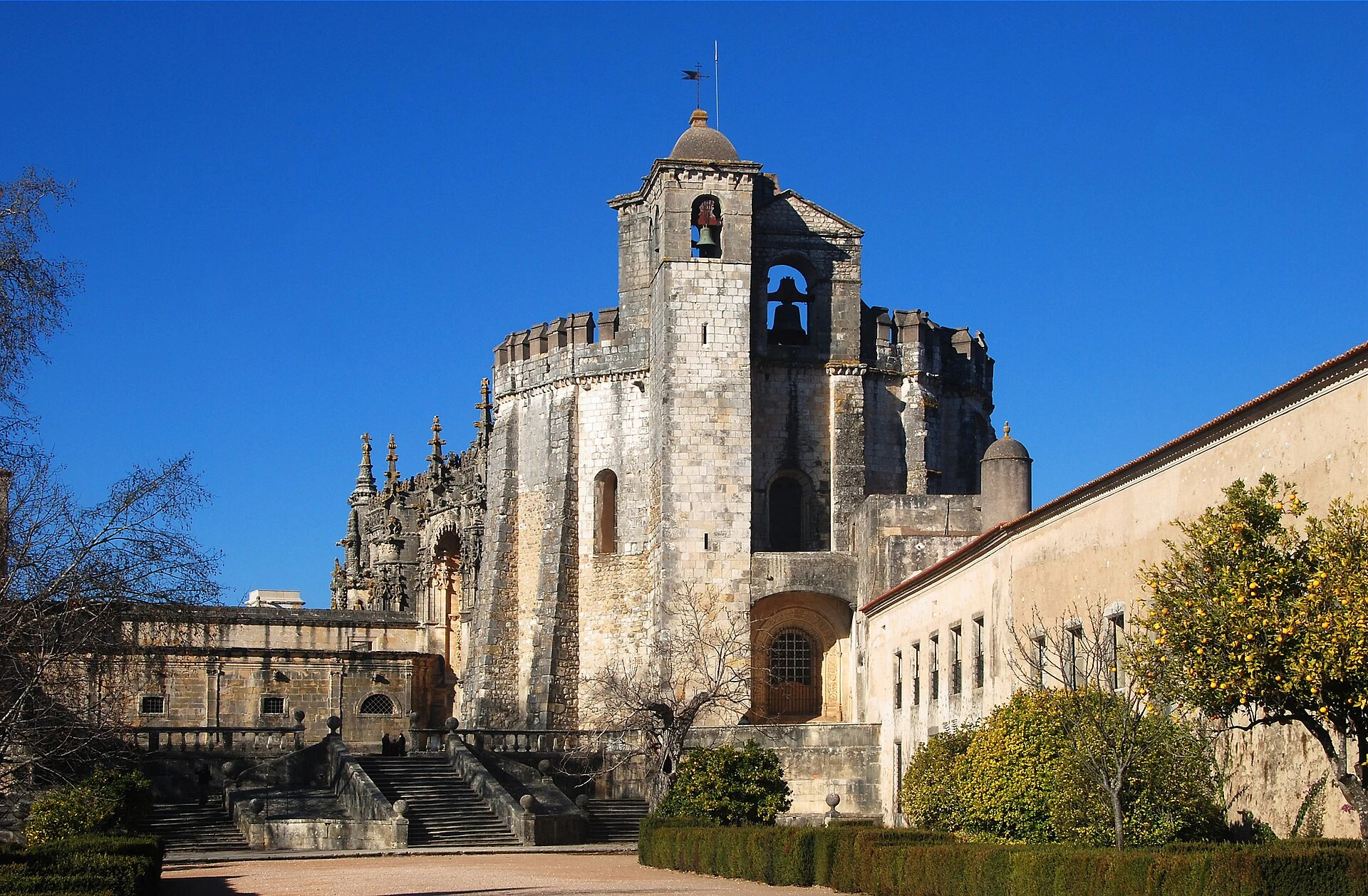
Templar and convent complex developed since the 12th century and included in the UNESCO World Heritage Site.
View guide →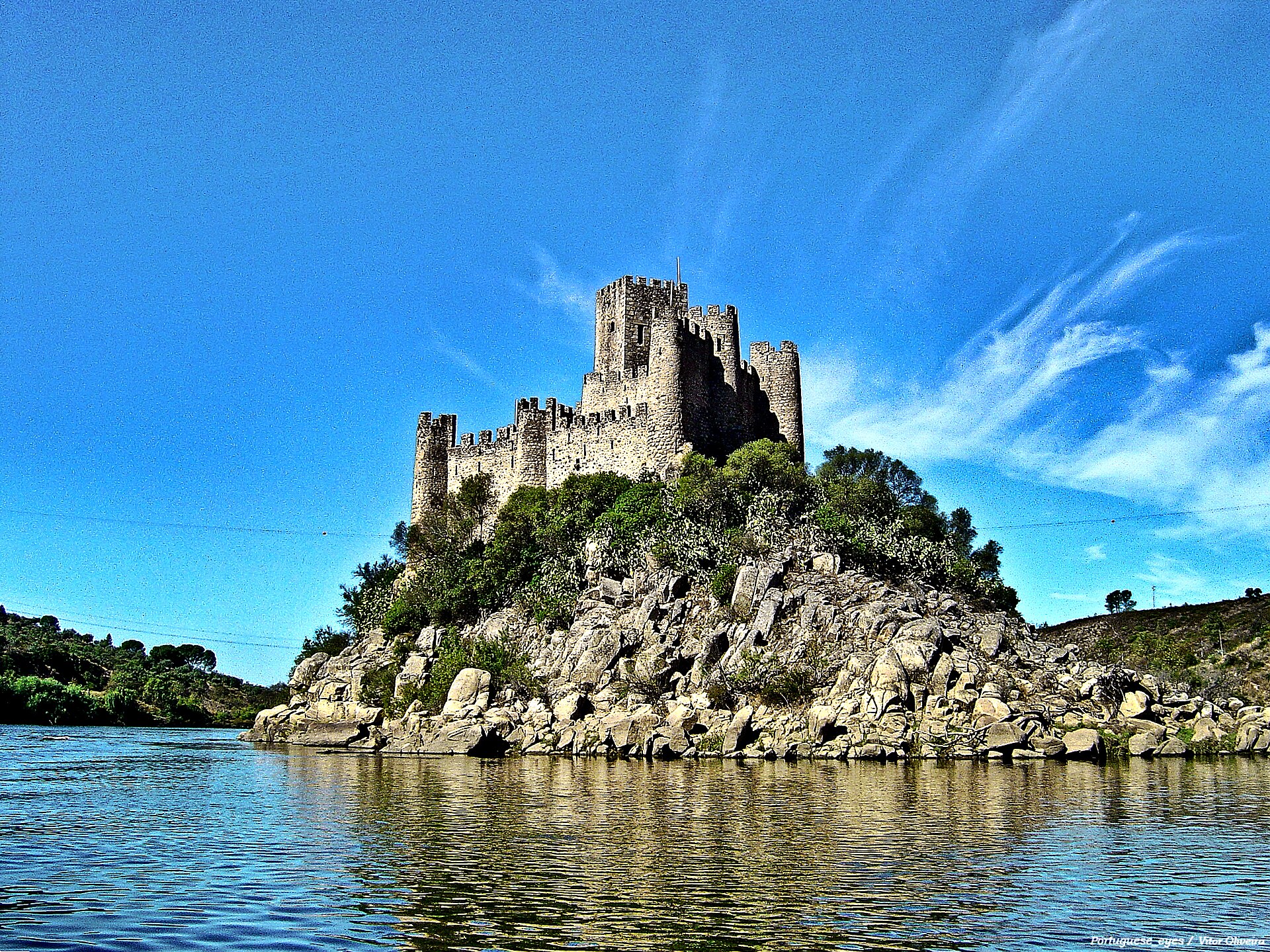
Fortification on a Tagus islet, rebuilt by the Templars in the 12th century and accessible depending on local conditions.
View guide →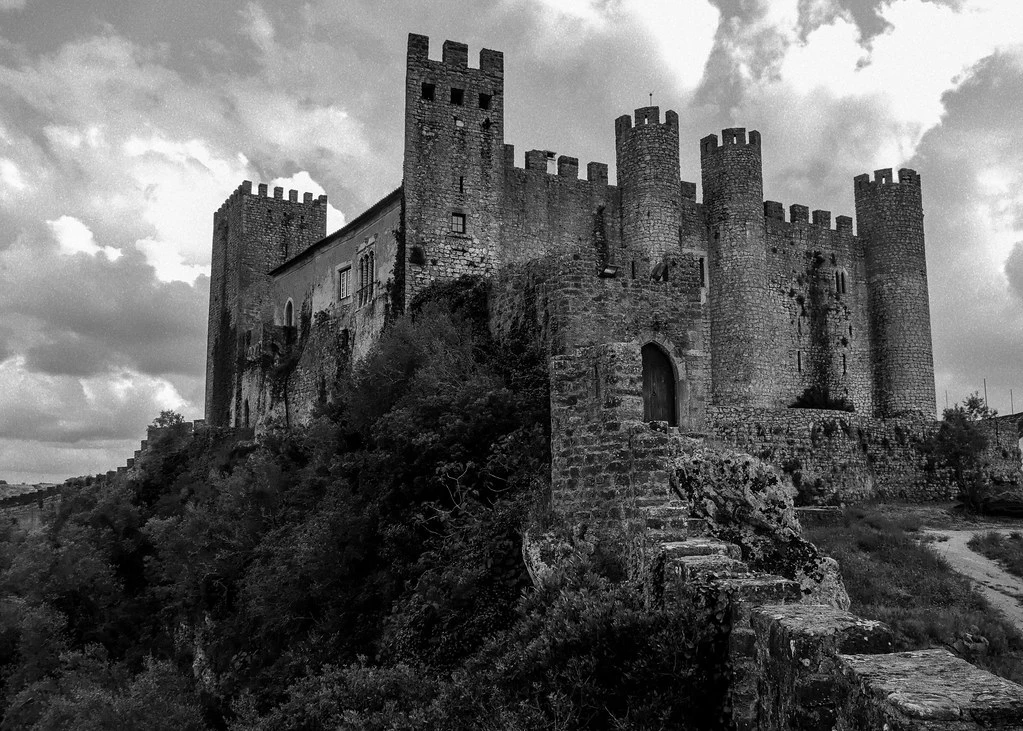
Dominant fortification of the walled town of Óbidos, presented on the route as an optional detour to the West.
View guide →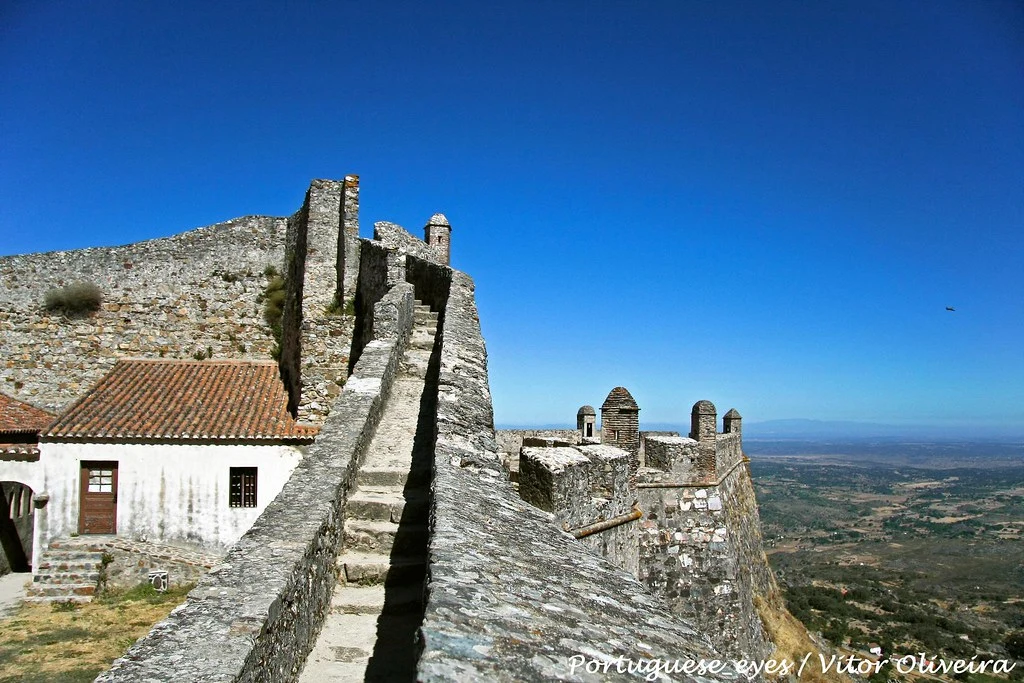
Fortress located on the quartzite ridge of Marvão, with visual dominance over the border.
View guide →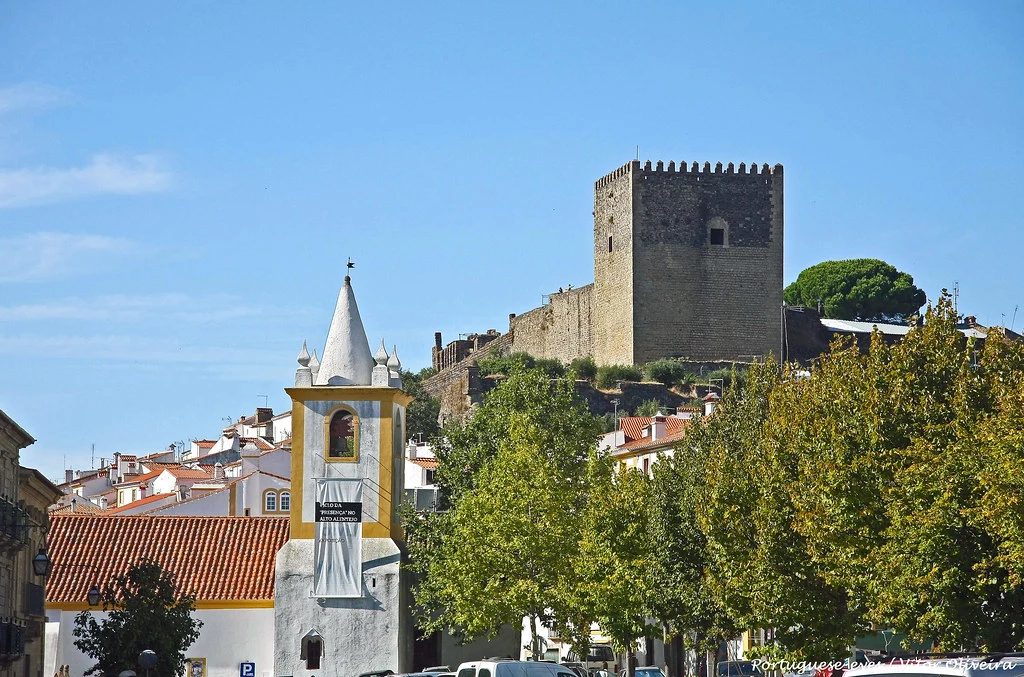
Fortified enclosure at the highest point of the village, linked to the defense of the Alentejo border.
View guide →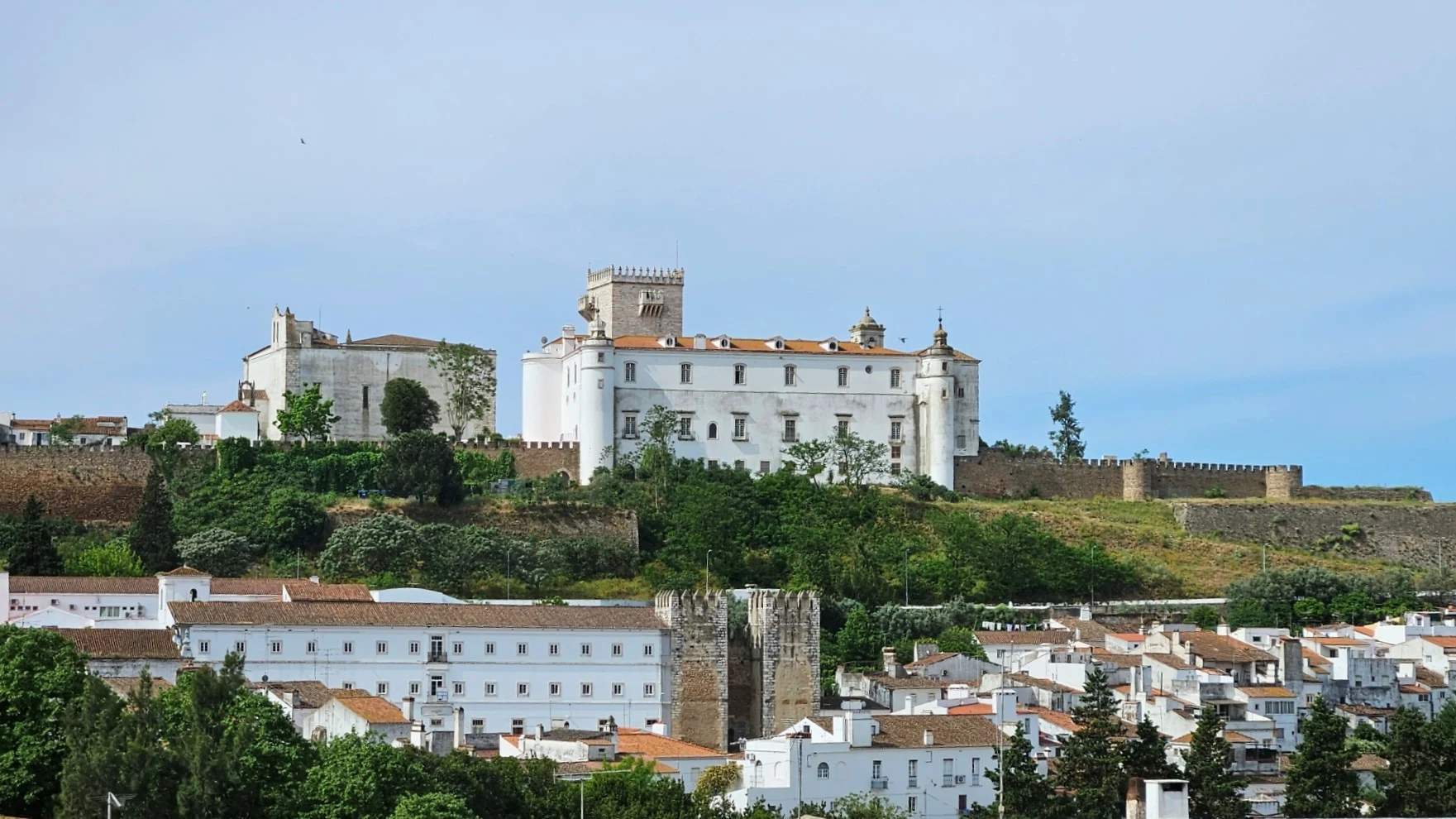
Fortified core of the upper city of Estremoz, marked by the medieval keep.
View guide →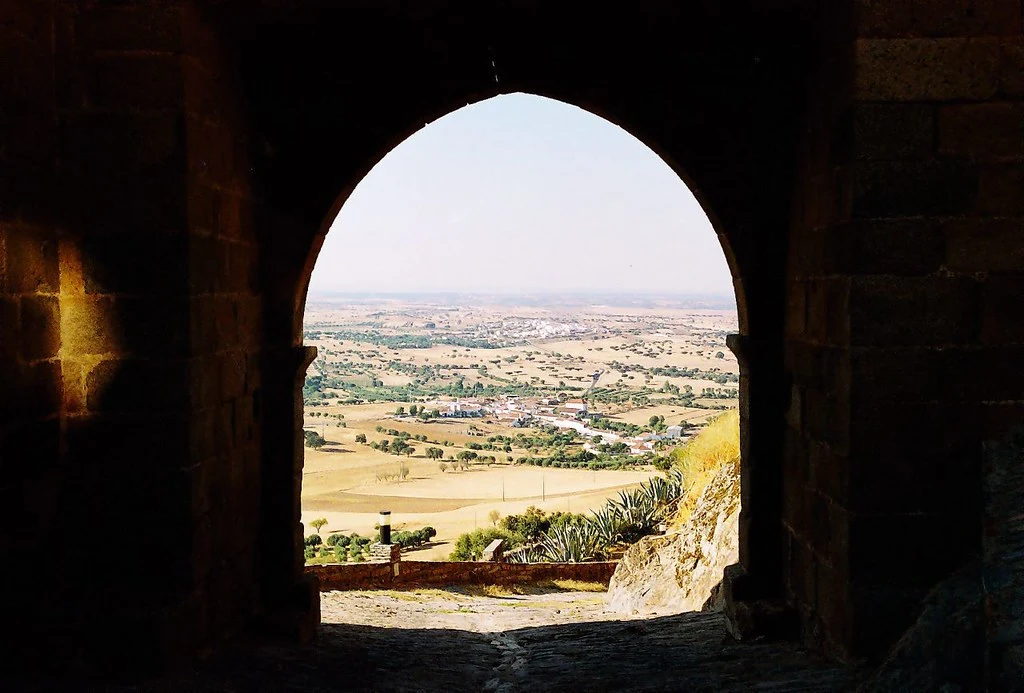
Fortification at the end of the walled town, over the plain and the Alqueva reservoir.
View guide →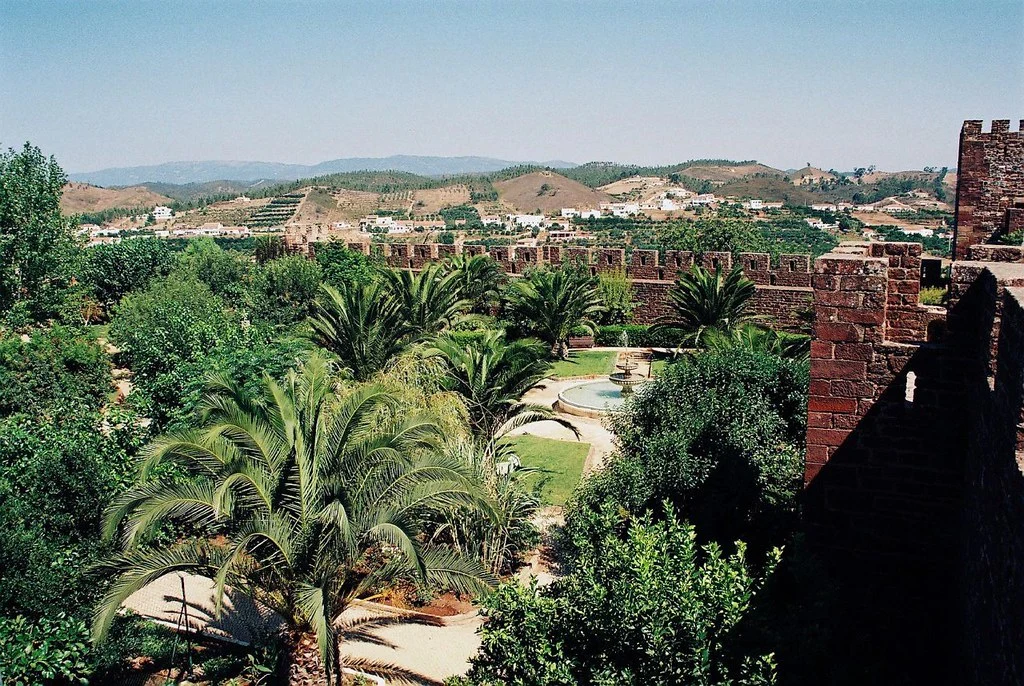
Large fortified enclosure of reddish rammed earth that dominates the ancient Islamic capital of the Algarve.
View guide →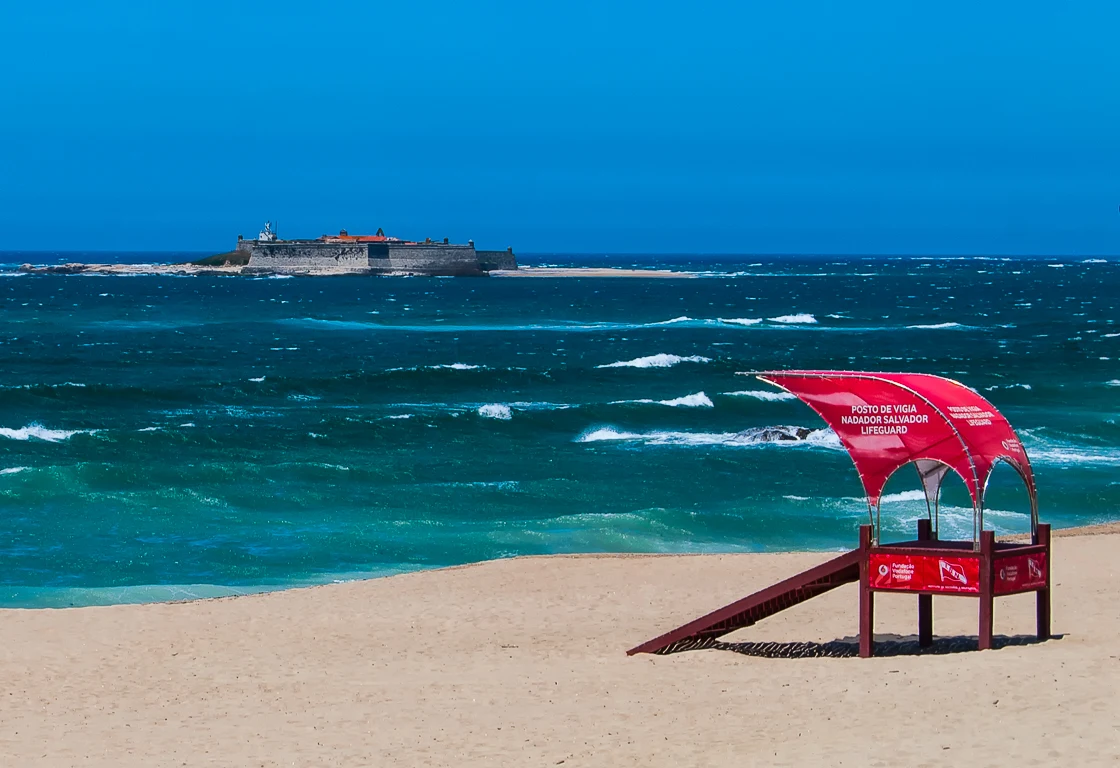
Atlantic beach next to the mouth of Minho, exposed to the wind and overlooking Ínsua.
View guide →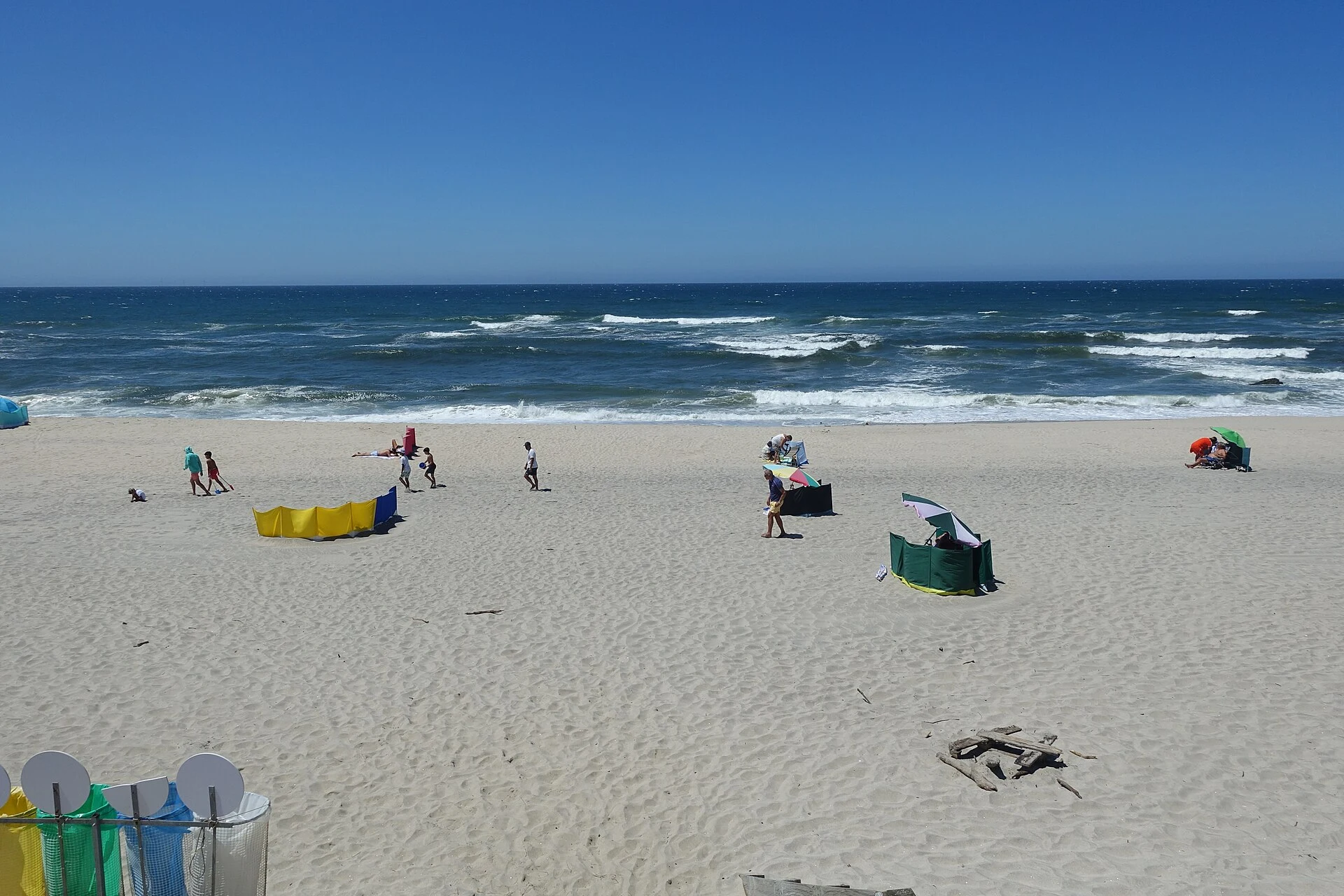
Wide and exposed sand on the coast of Viana do Castelo, with often energetic sea.
View guide →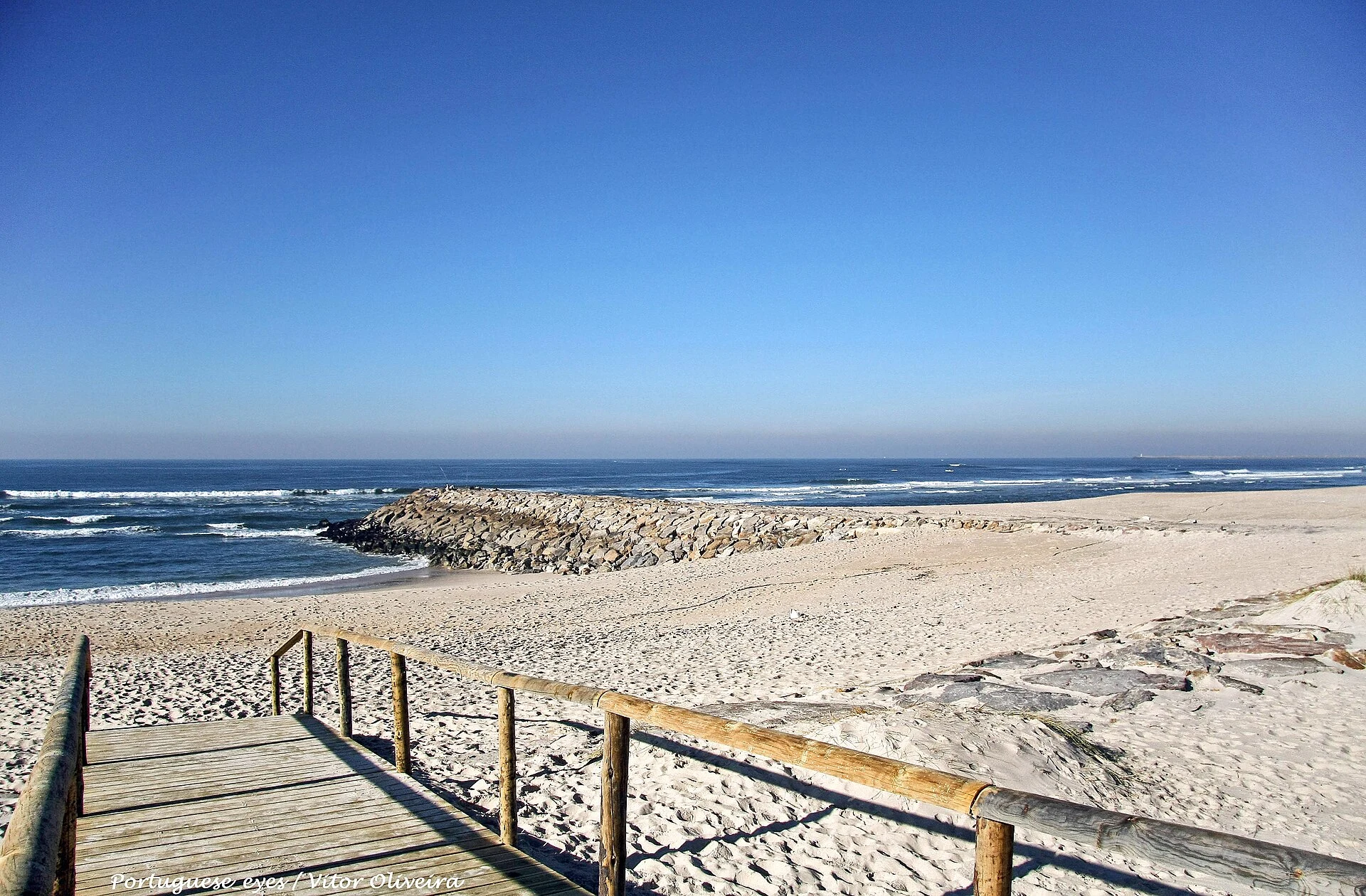
Ocean beach next to the dune range and the town known for its striped haystacks.
View guide →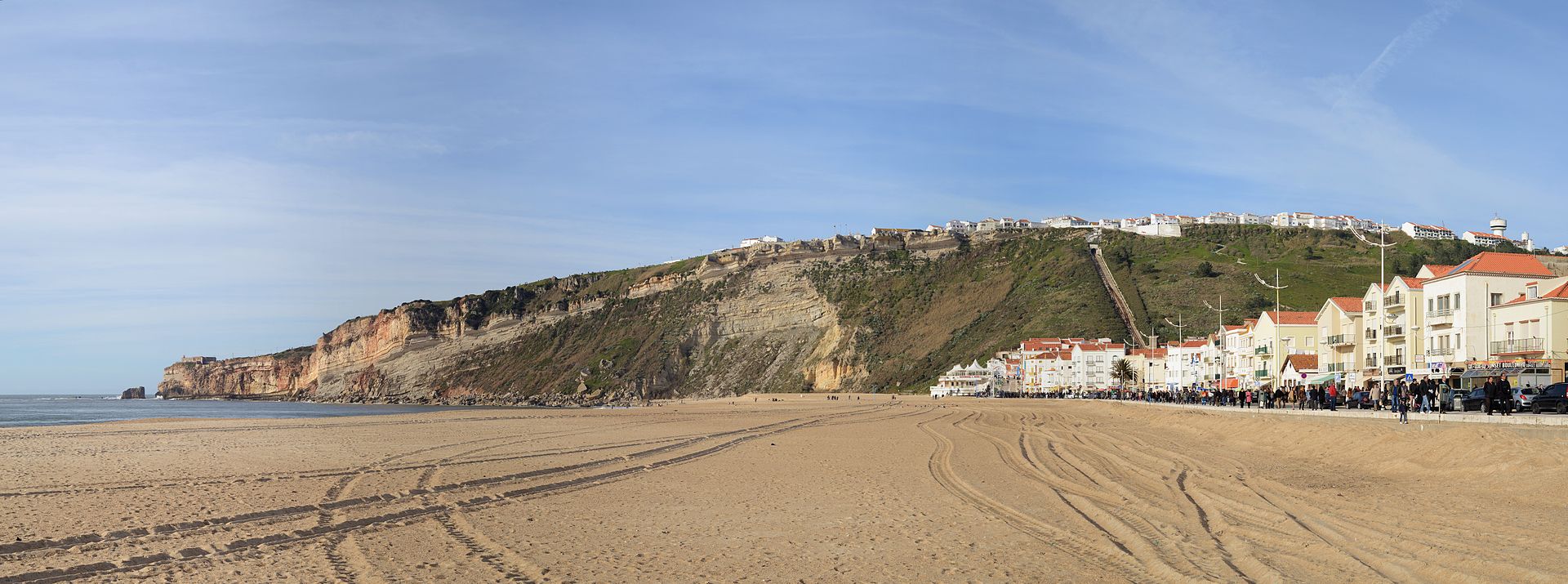
Urban sand of Nazaré; not to be confused with Praia do Norte and the giant waves.
View guide →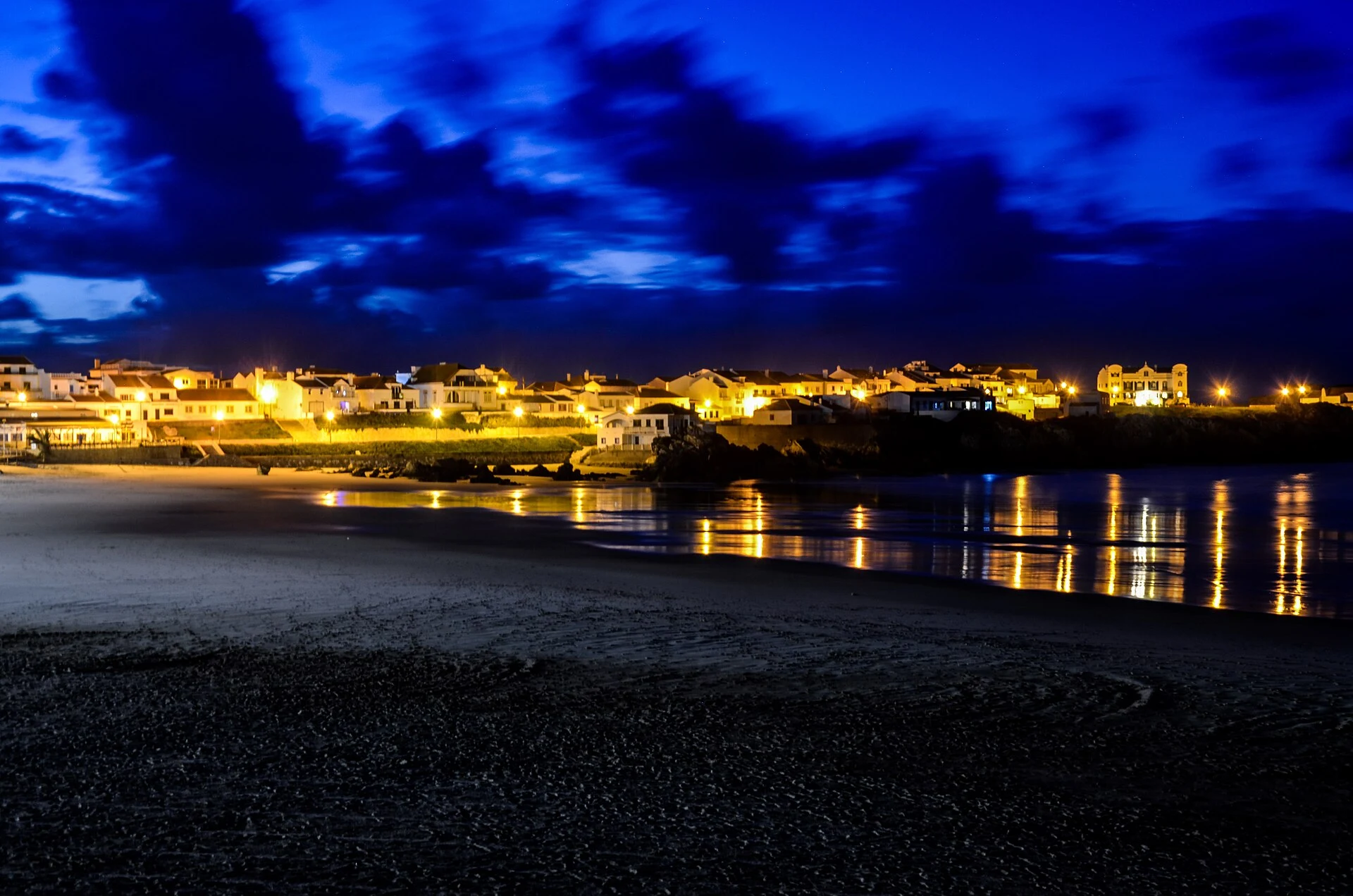
Set of sandy beaches next to the Baleal peninsula, with variable maritime exposure.
View guide →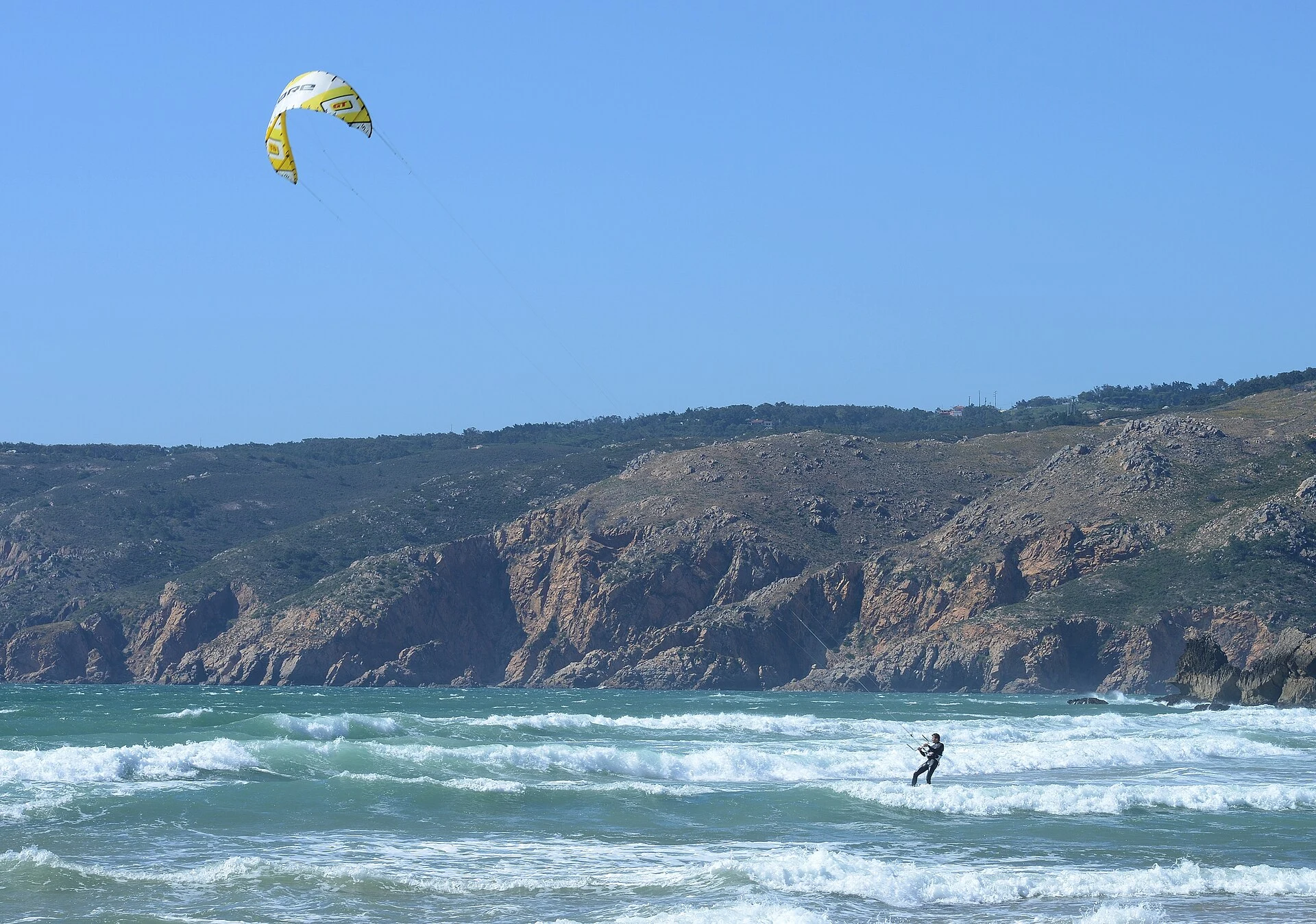
Beach open to Atlantic winds between Cascais and Serra de Sintra.
View guide →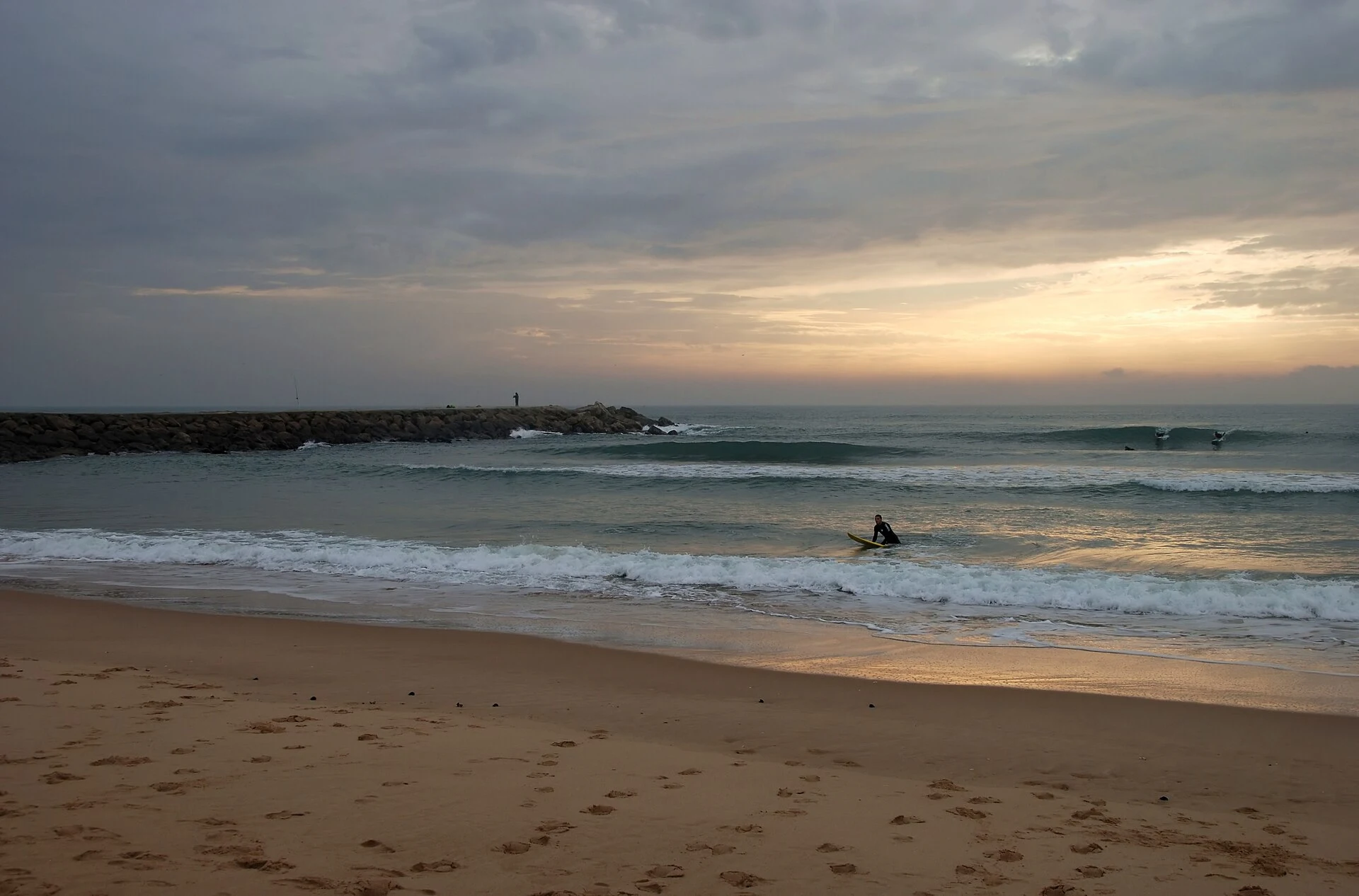
Extensive arc of beaches south of the Tagus, with different access, surveillance and conditions per section.
View guide →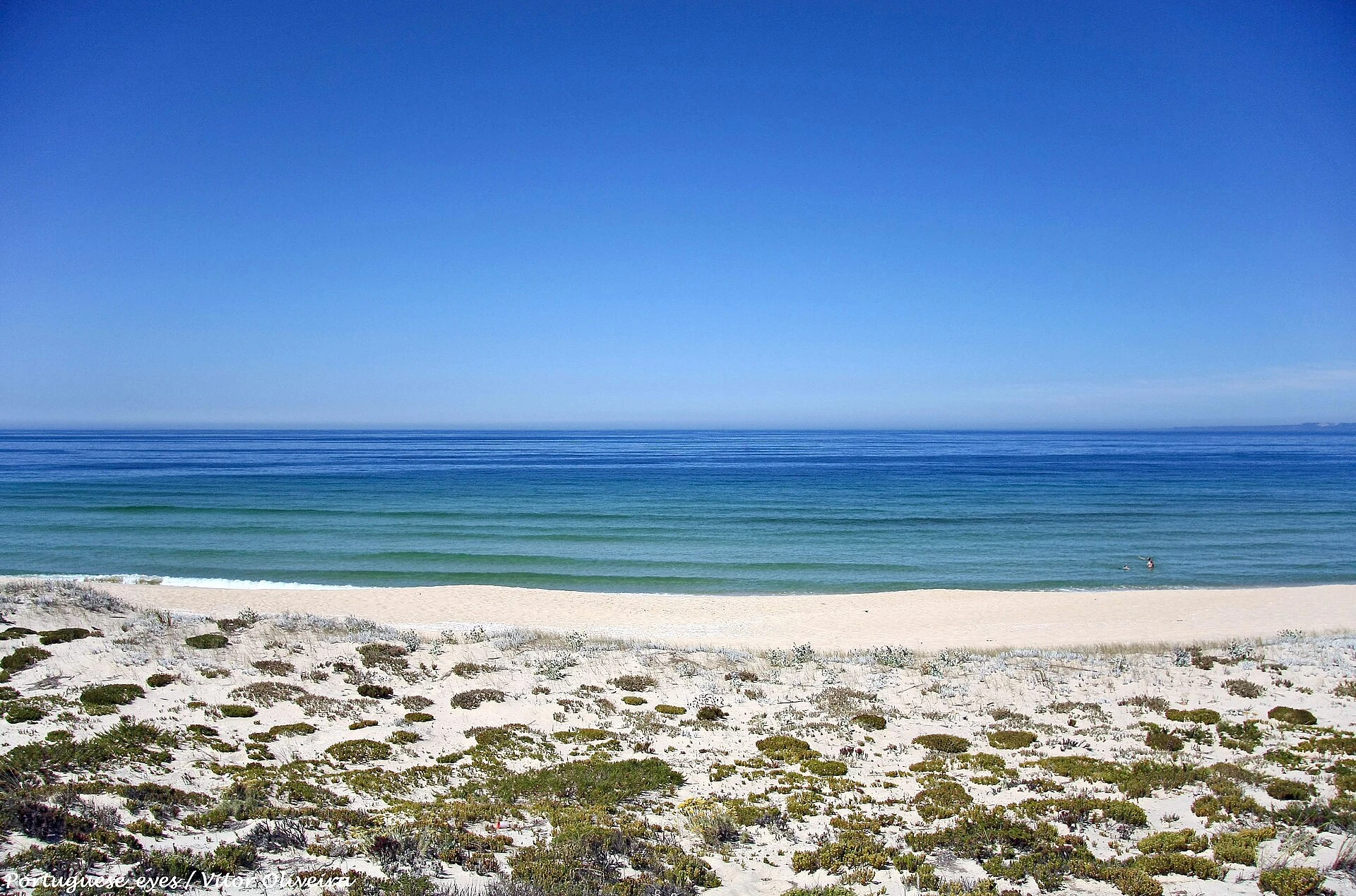
Atlantic sand next to the dune systems of the Troia peninsula and the Sado estuary.
View guide →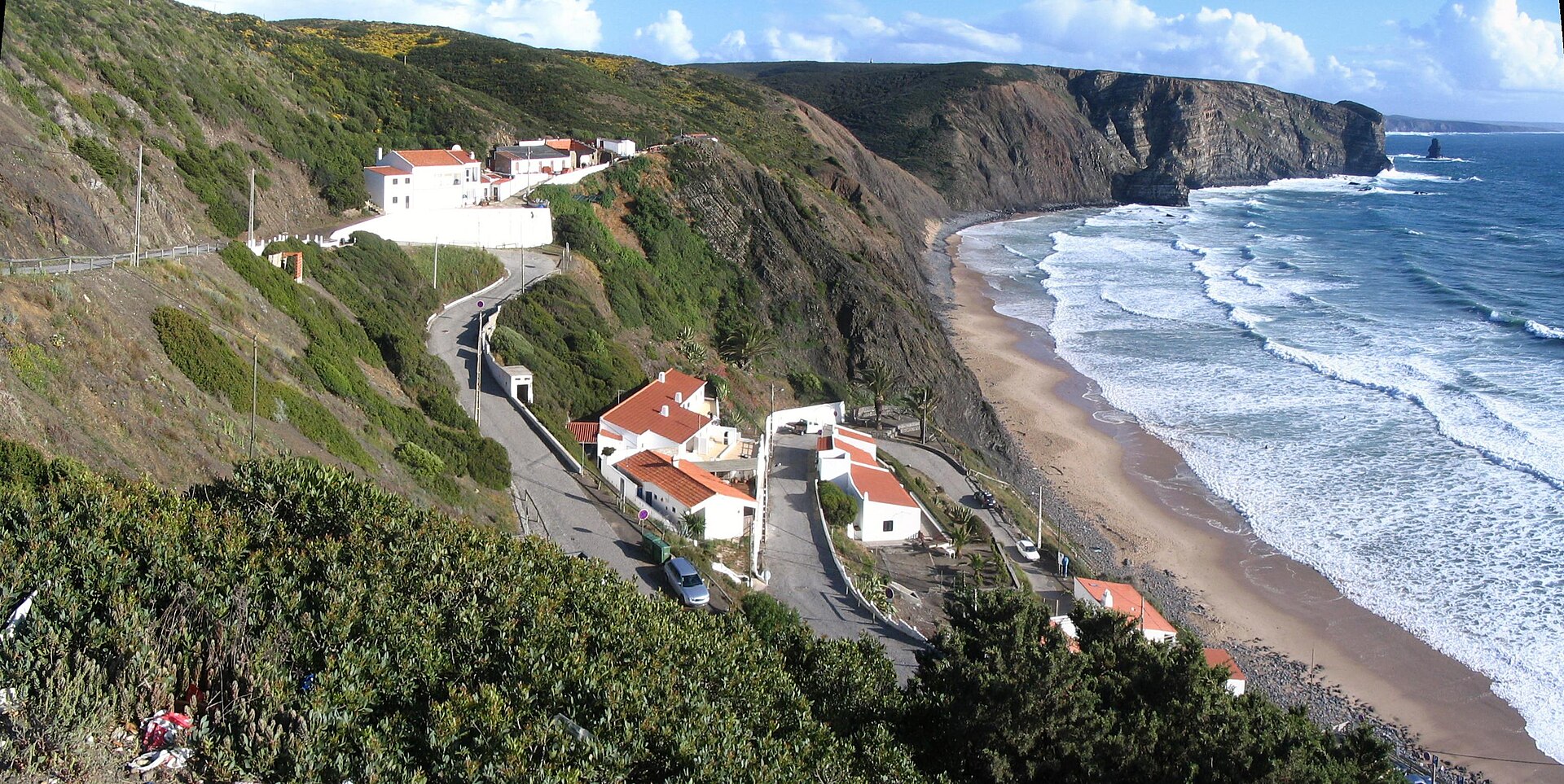
Cove nestled in the cliffs of Costa Vicentina, with access conditioned by the topography.
View guide →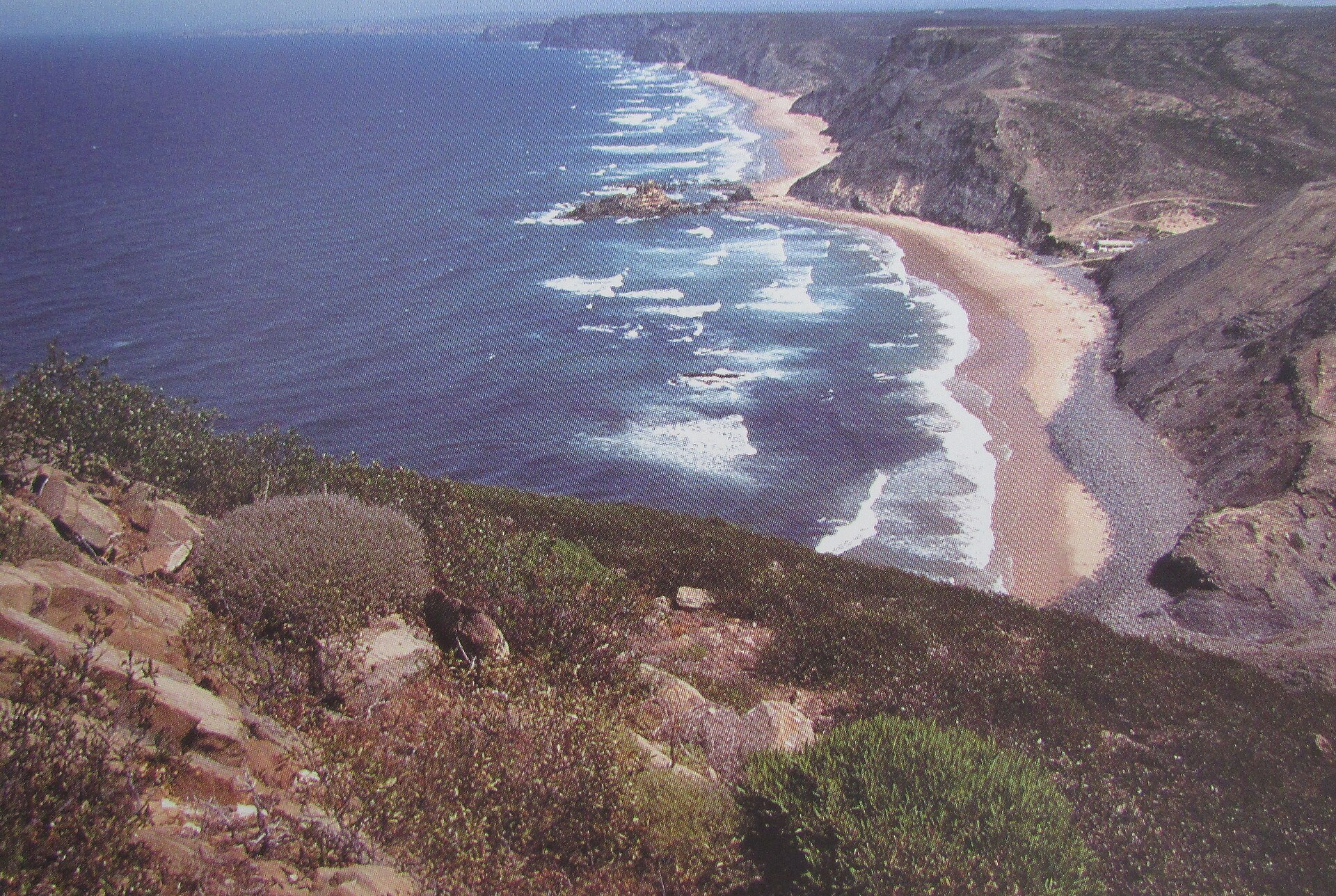
Wild beach on the western Algarve coast, surrounded by dark cliffs.
View guide →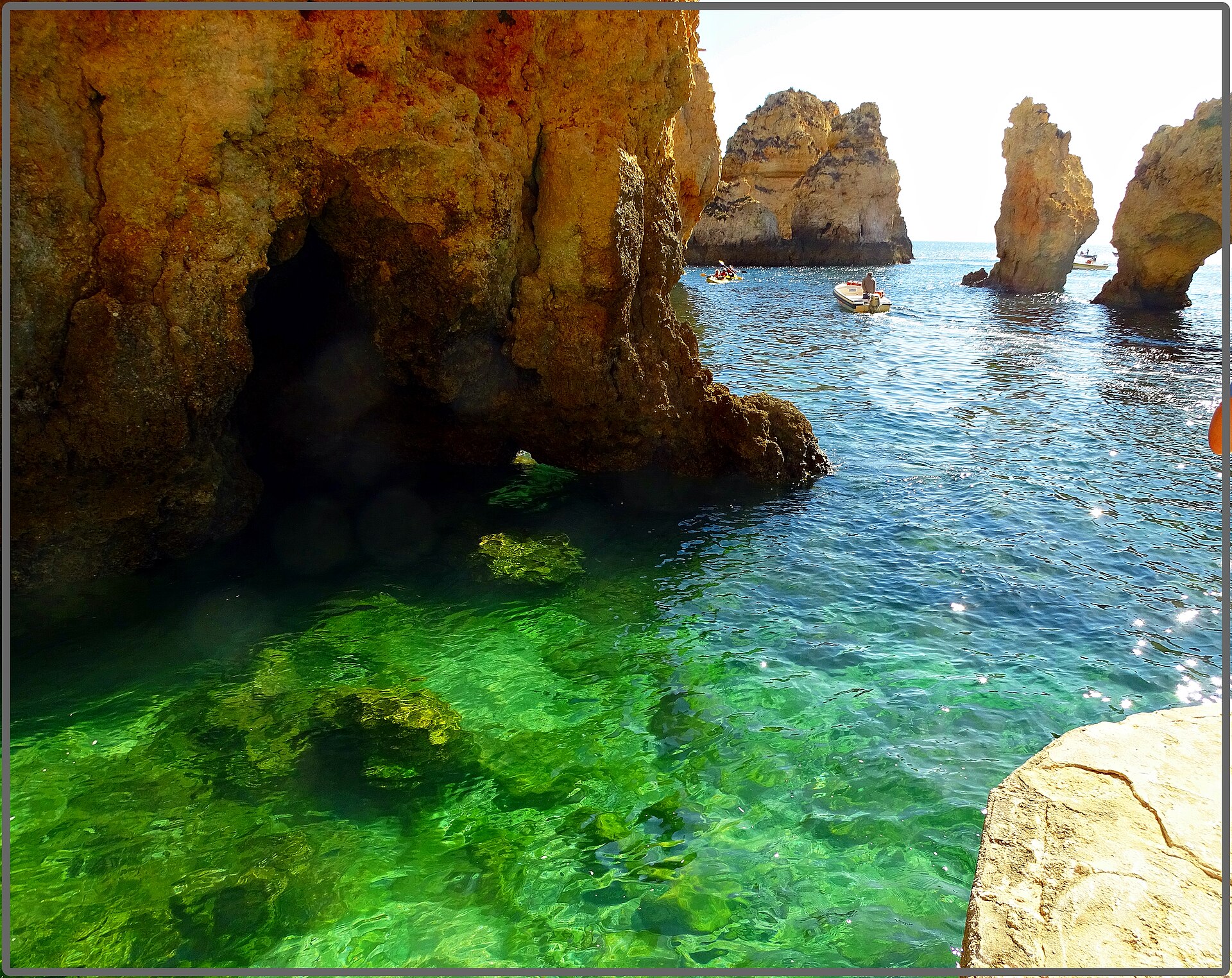
Coastal group of cliffs, arches and farlhãos near Lagos, observed from land or authorized sea exits.
View guide →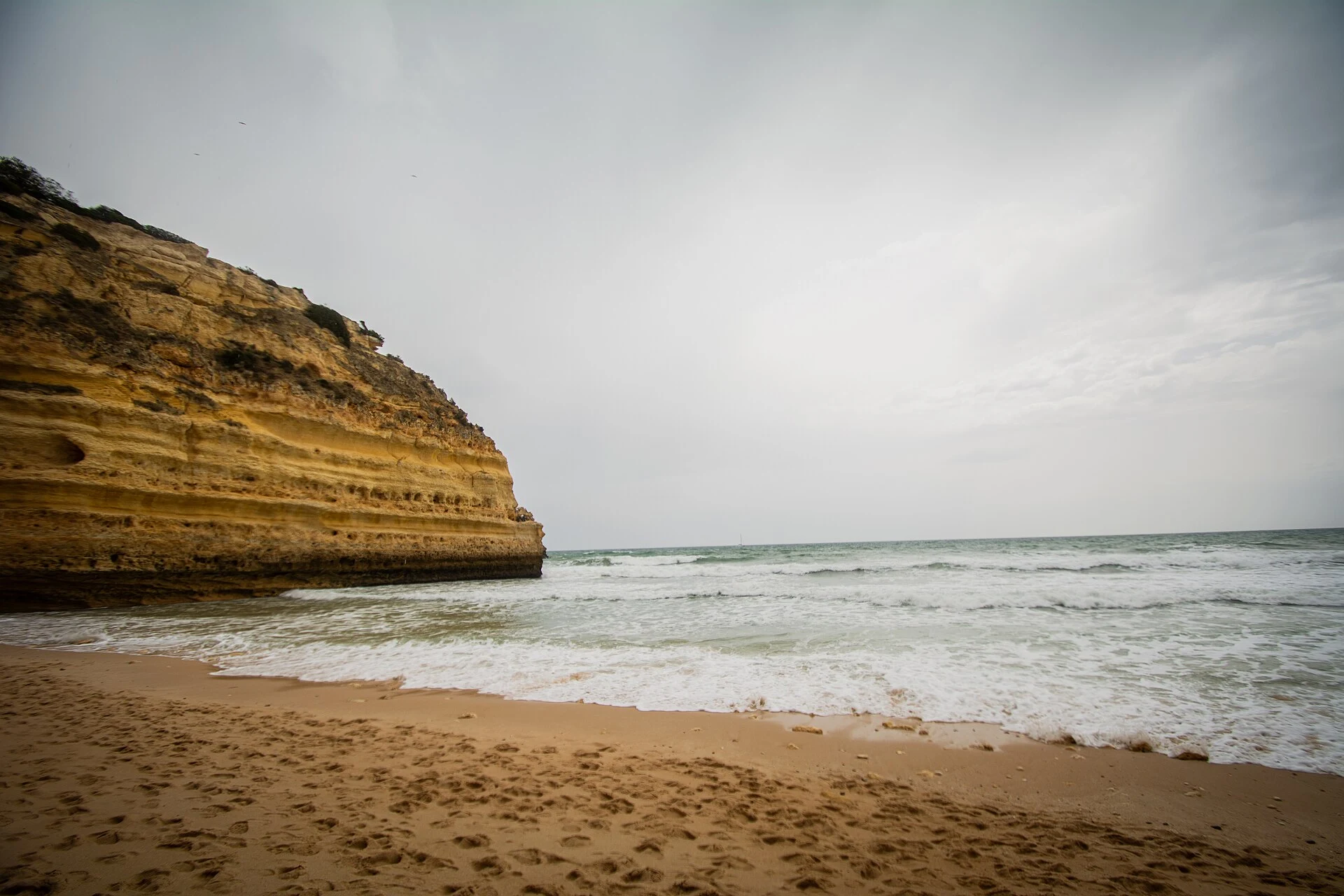
Small beach between limestone cliffs in the municipality of Lagoa, subject to risk of falling blocks.
View guide →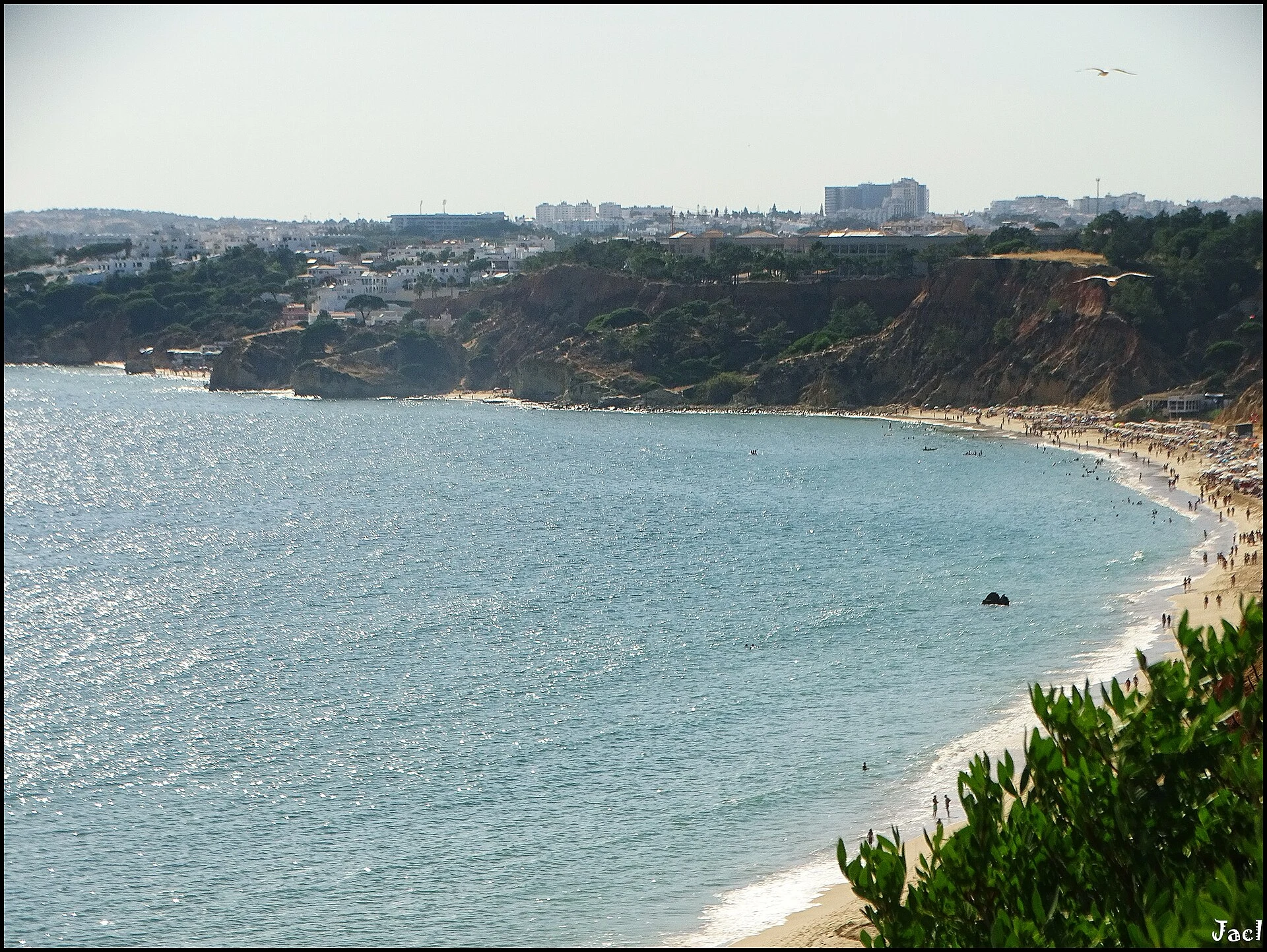
Long Algarve sandy beach accompanied by colorful cliffs, between the areas of Olhos de Água and Vilamoura.
View guide →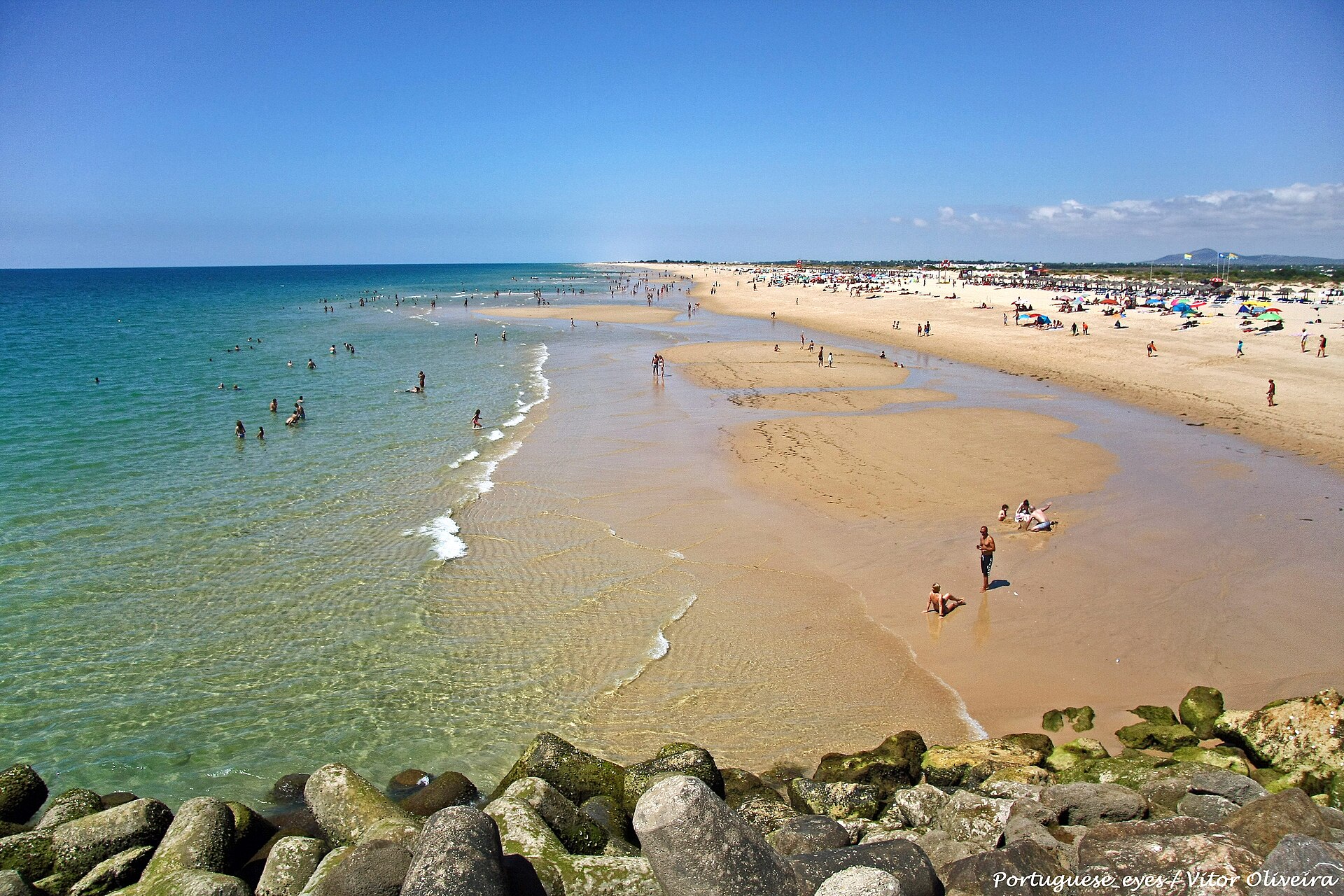
Protected lagoon system in the Algarve, with islands and peninsulas accessible by specific sea or land connections.
View guide →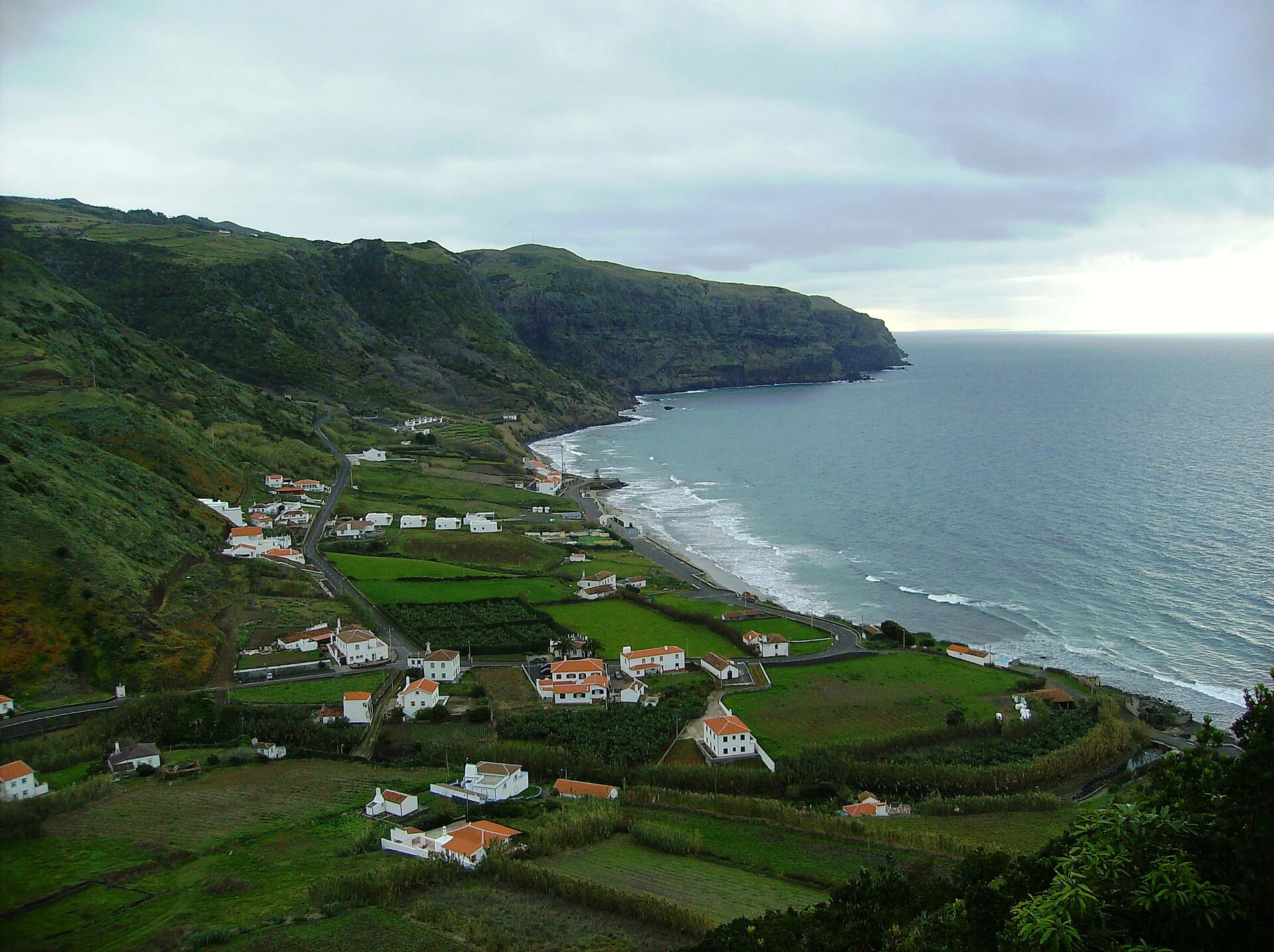
Beach on the island of Santa Maria known for its lighter sand than usual in the archipelago.
View guide →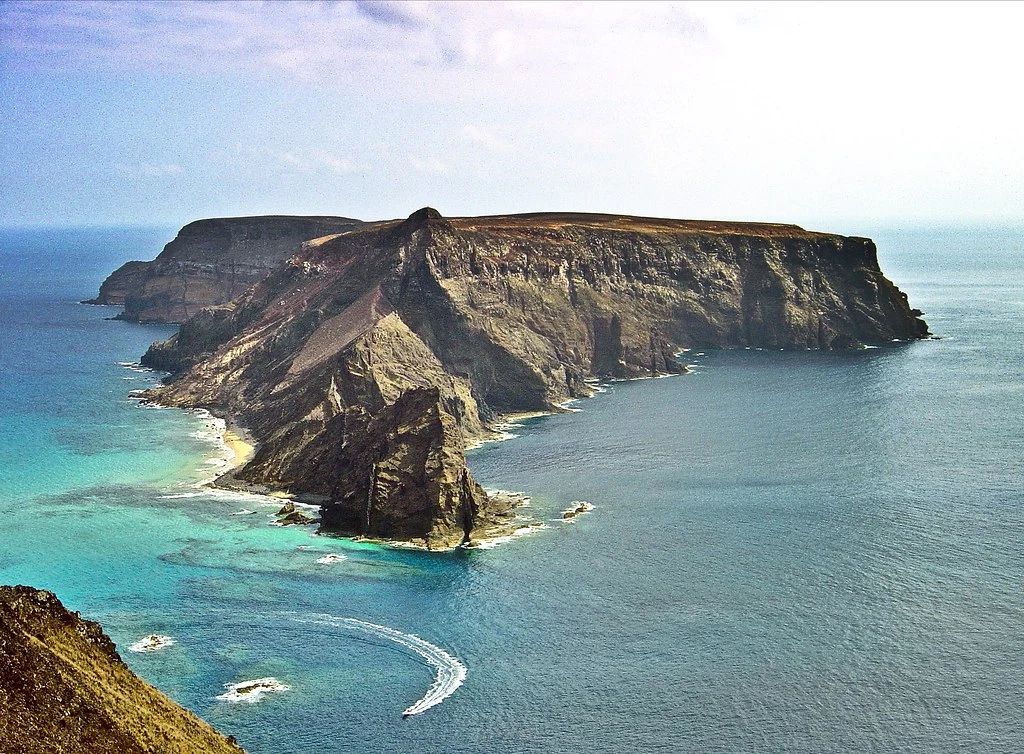
Extensive sand on the south coast of the island of Porto Santo.
View guide →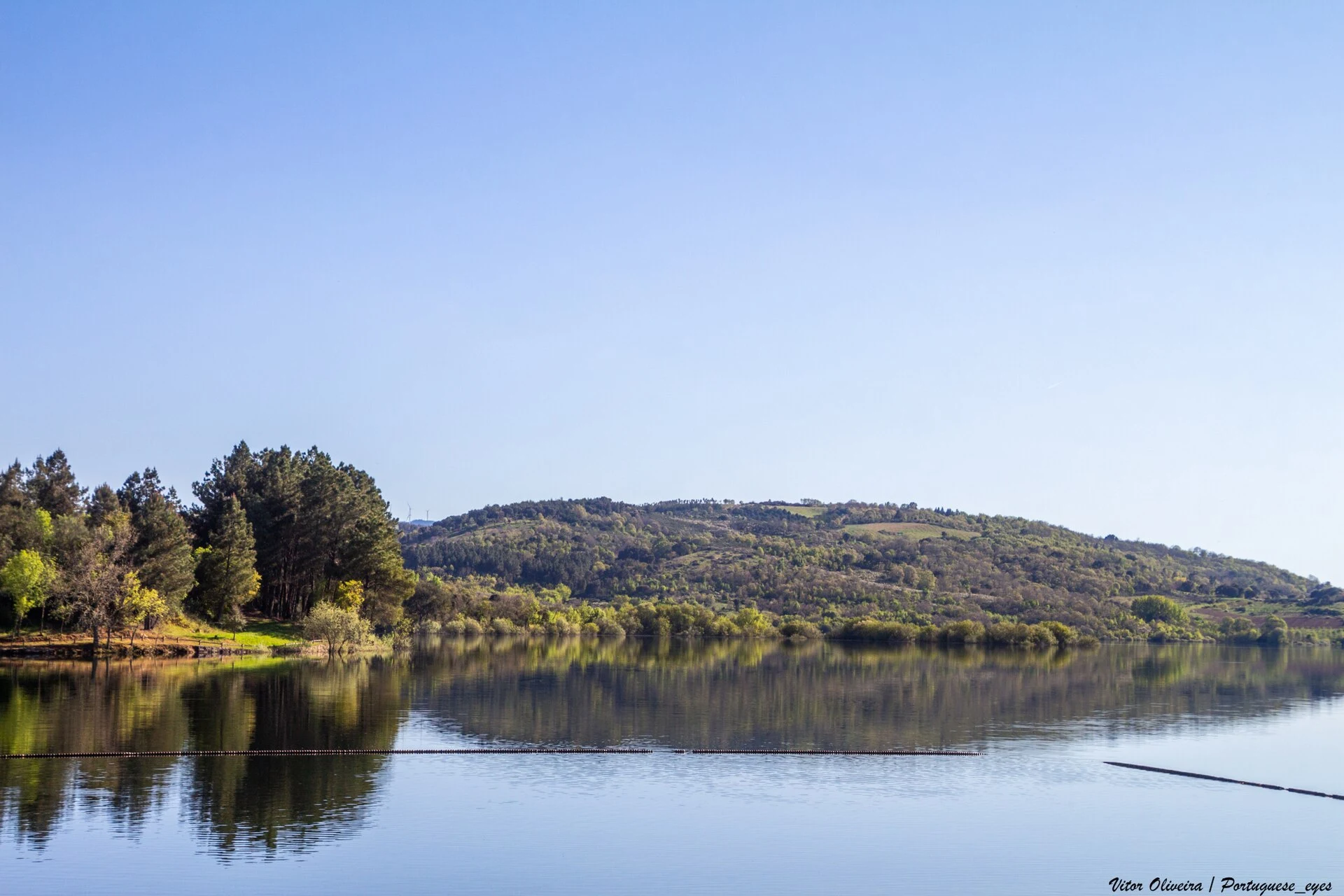
Bathing areas in a reservoir located in the protected landscape of Trás-os-Montes.
View guide →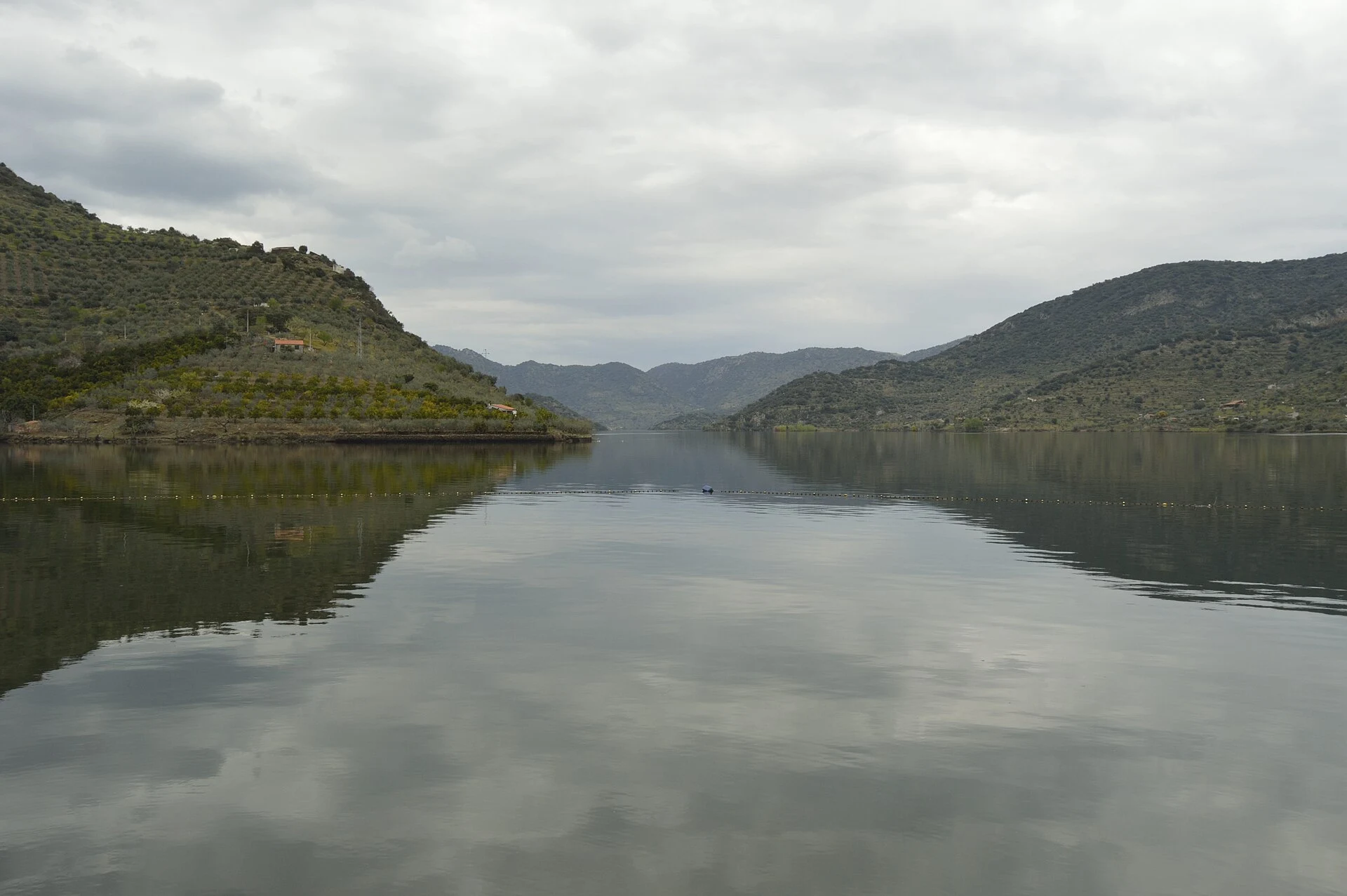
Leisure area next to Douro Internacional, dependent on seasonal and local conditions.
View guide →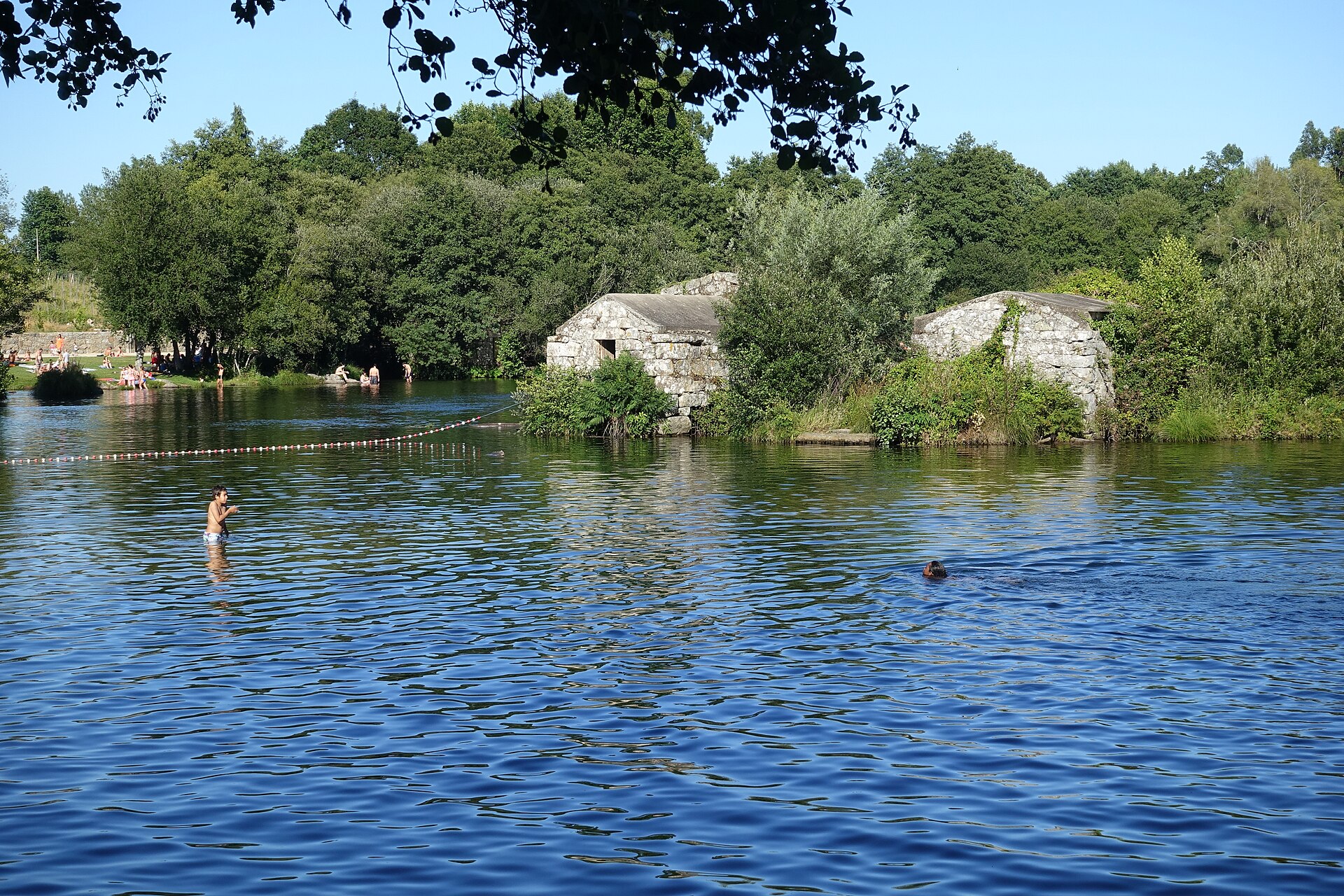
Bathing area on the Cávado river, close to Braga.
View guide →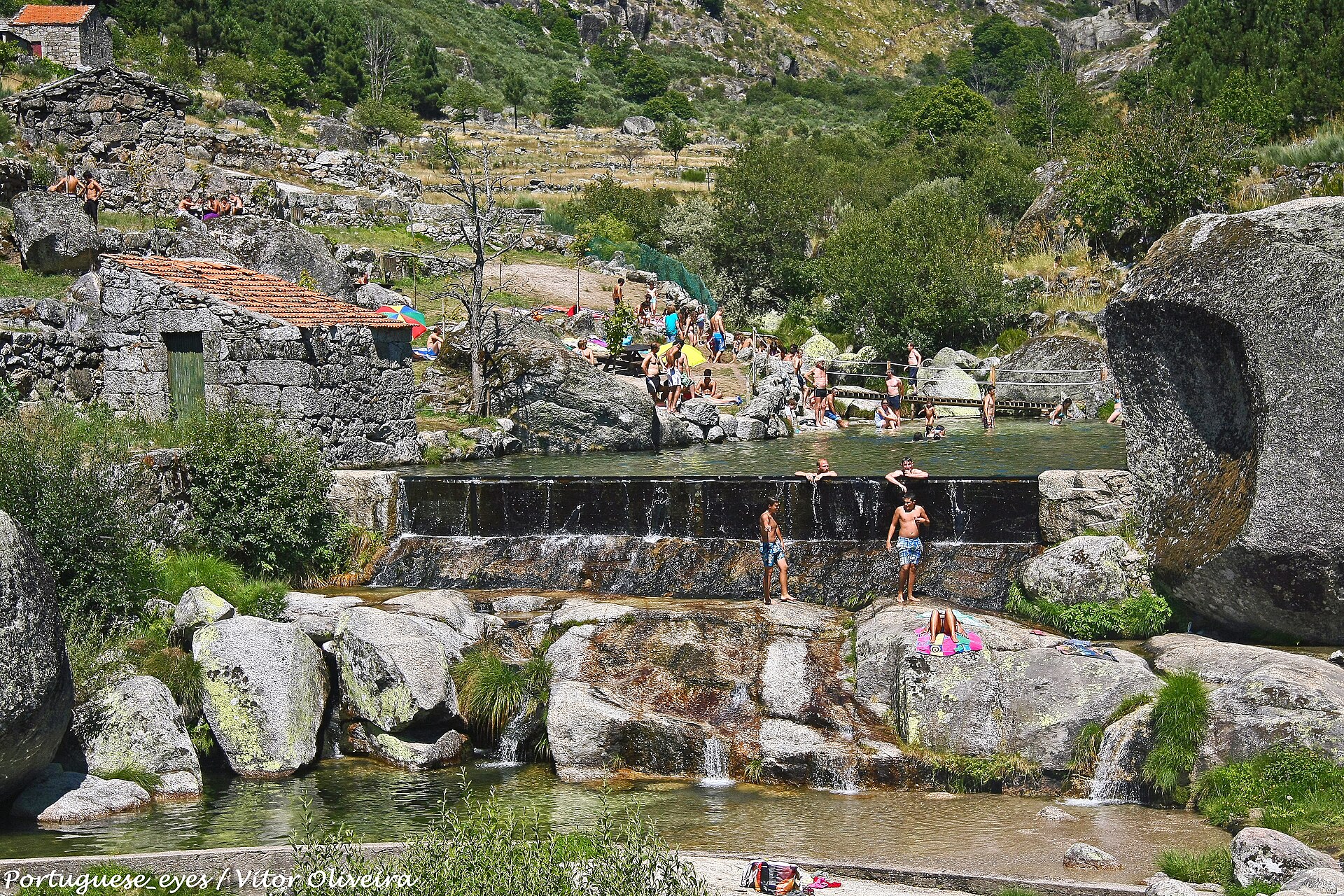
Mountain bathing area fed by watercourses from Serra da Estrela.
View guide →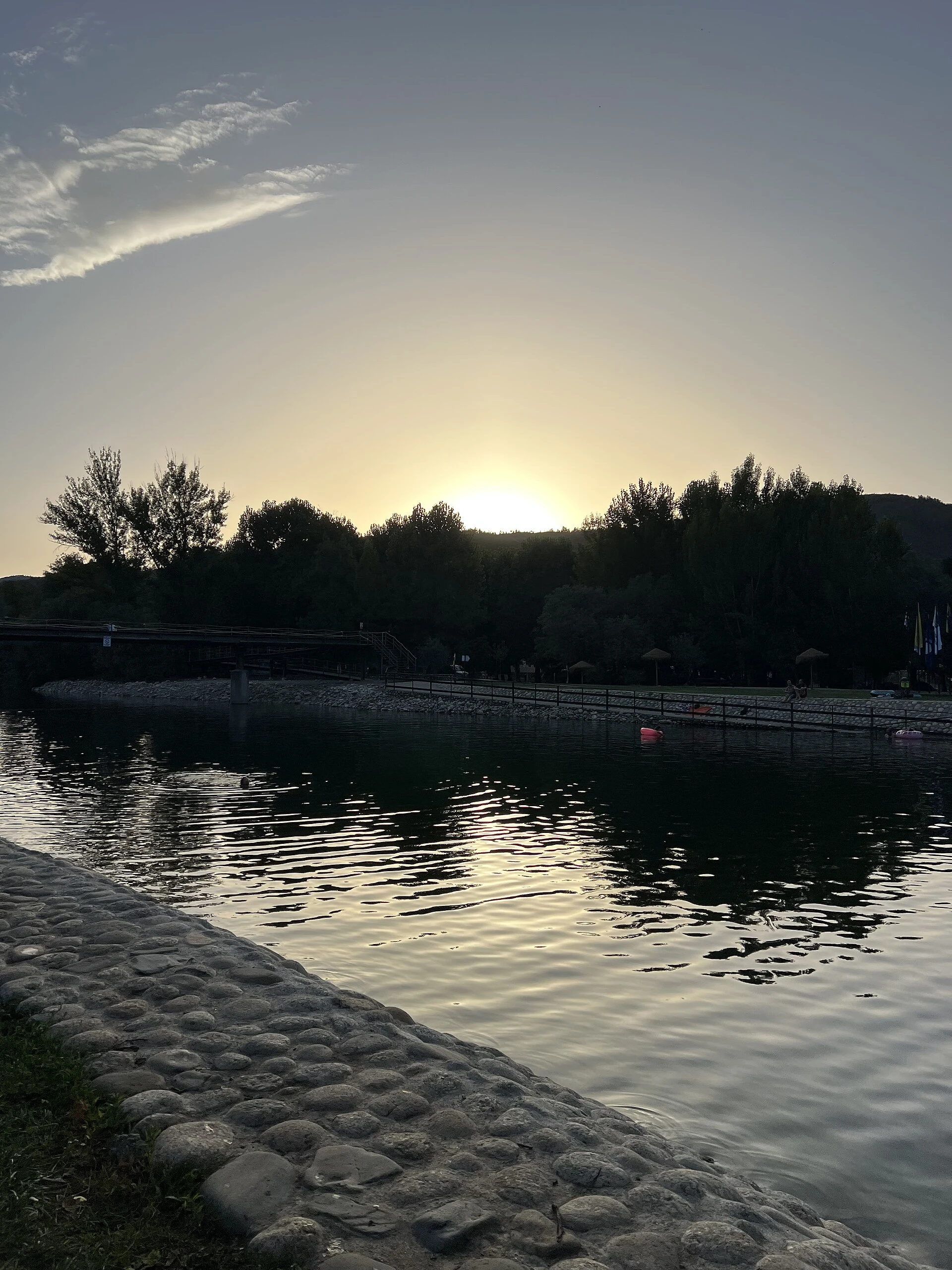
Bathing area in the Zêzere valley, next to the village of Valhelhas.
View guide →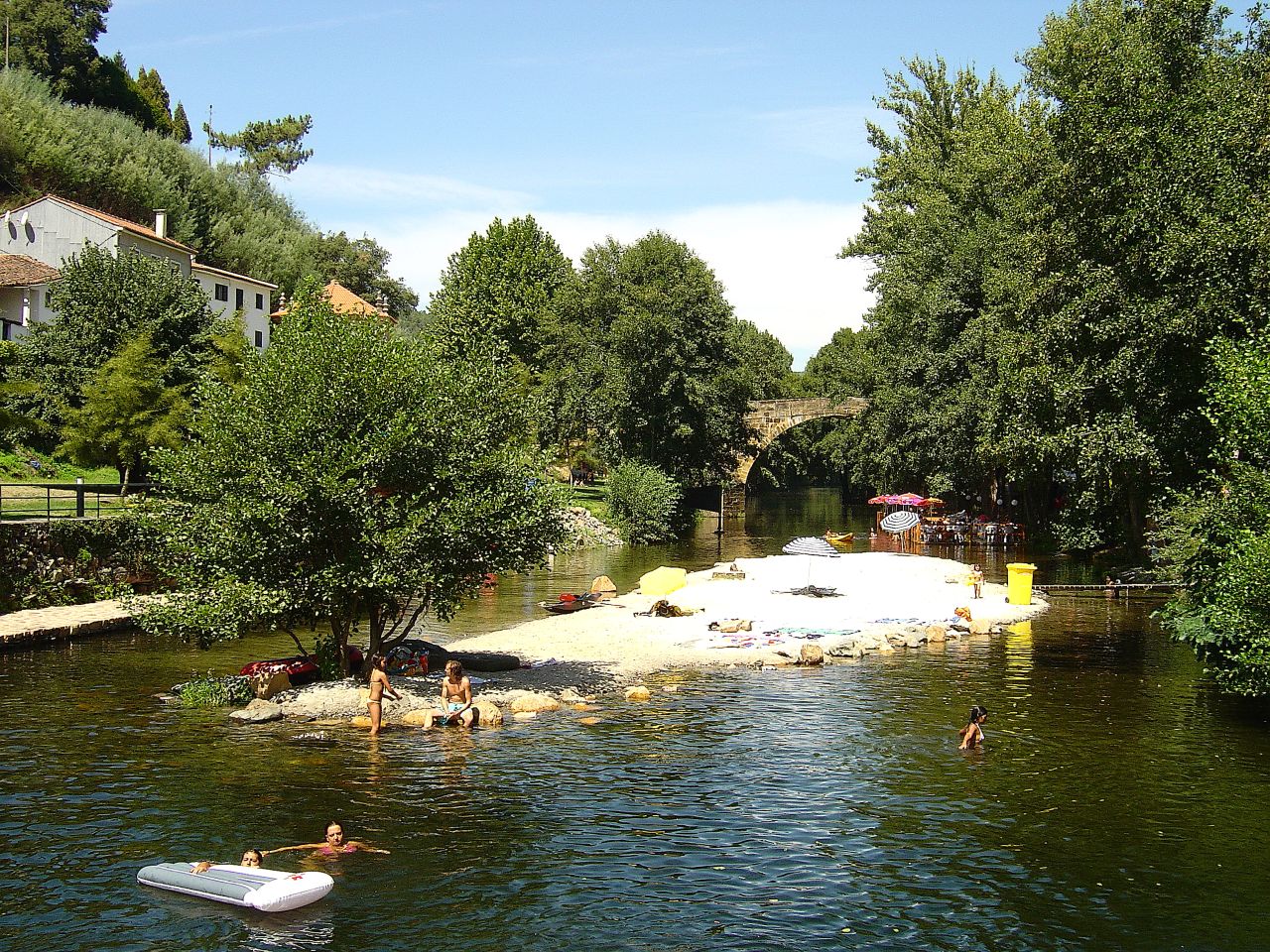
Bathing area on the Ceira river integrated in the town of Góis.
View guide →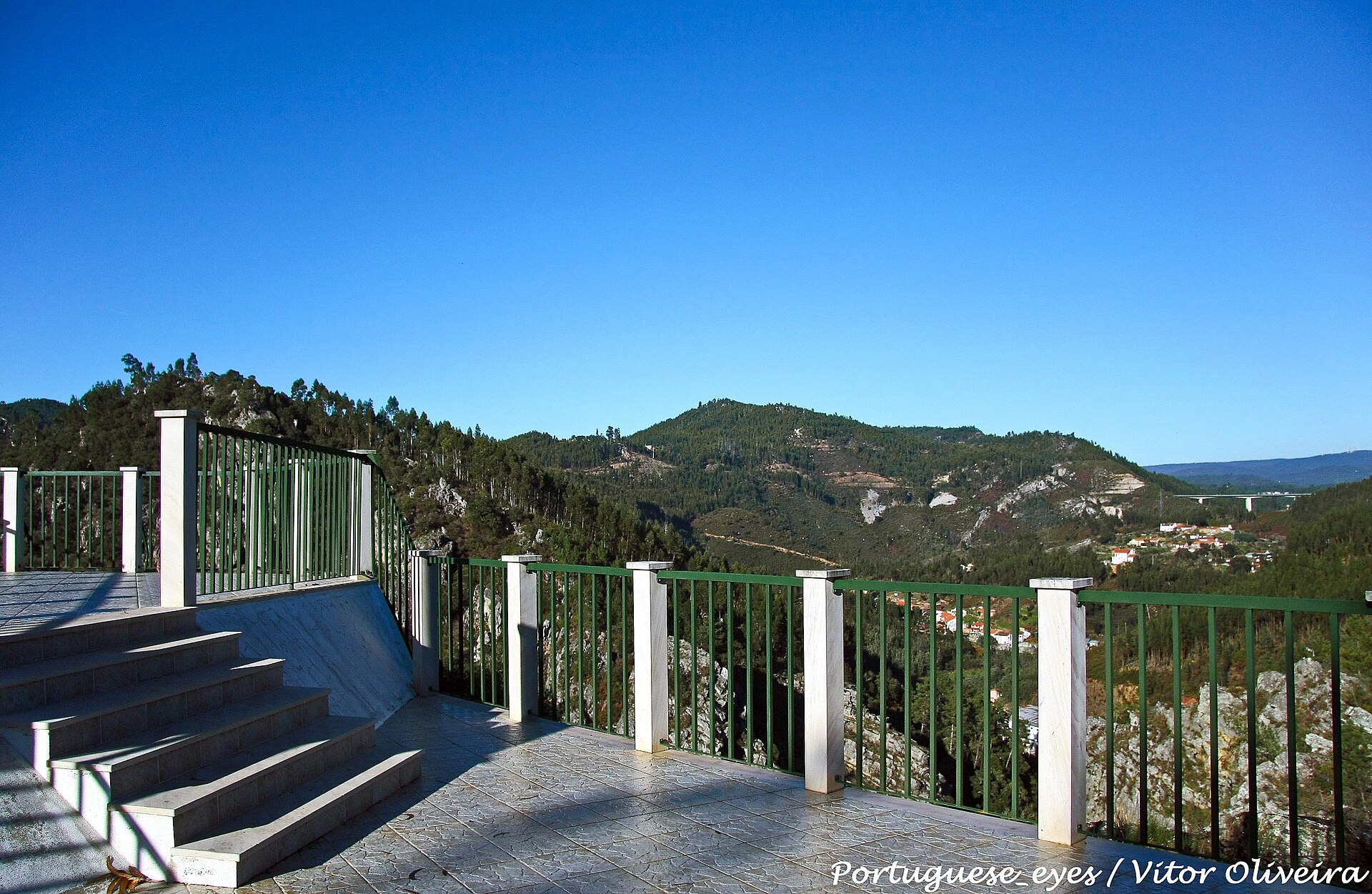
Rocky gorge and bathing area associated with the Alge river, with its own walkways and access.
View guide →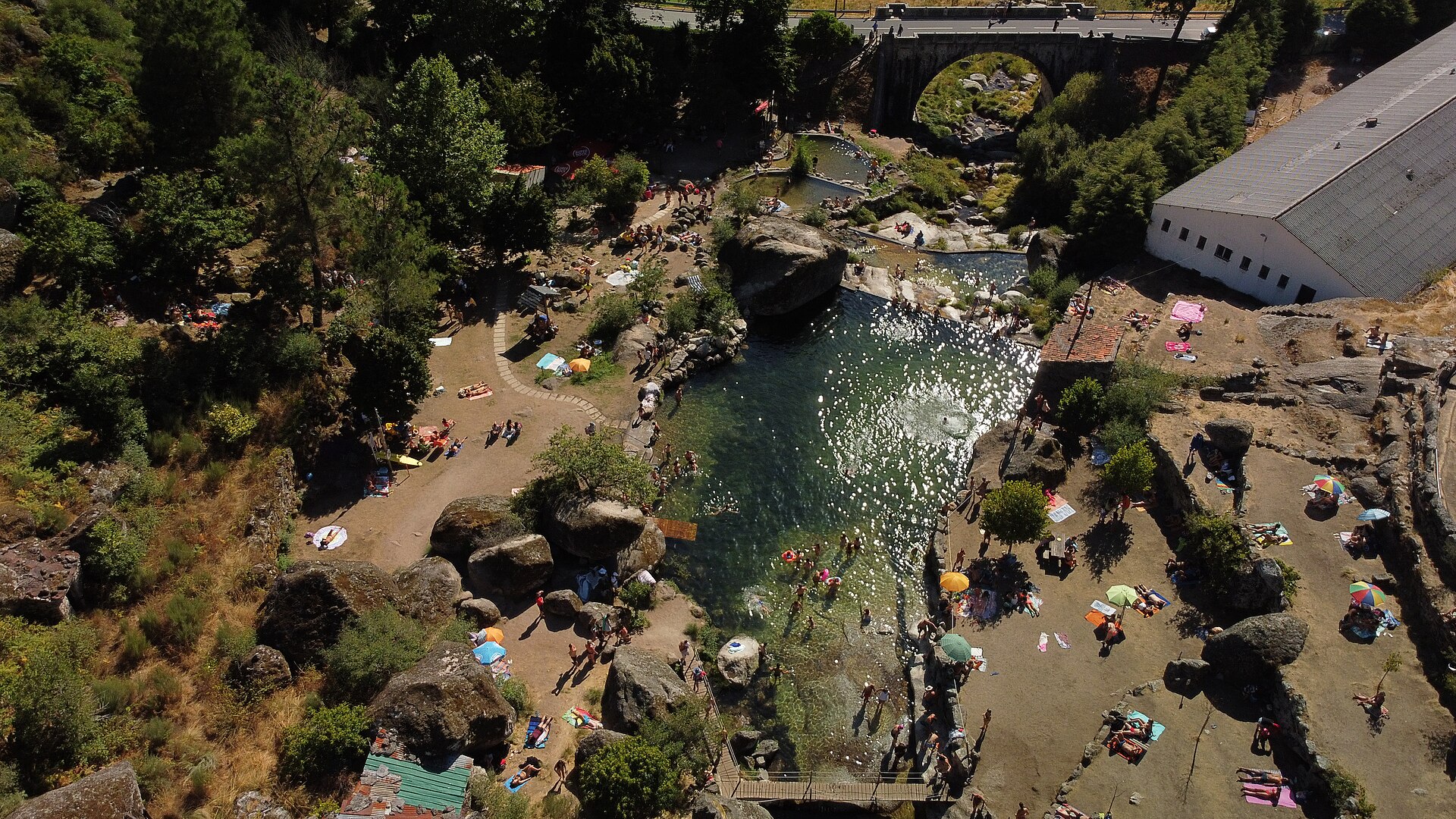
Inland beach next to the Alqueva reservoir and the village of Amieira.
View guide →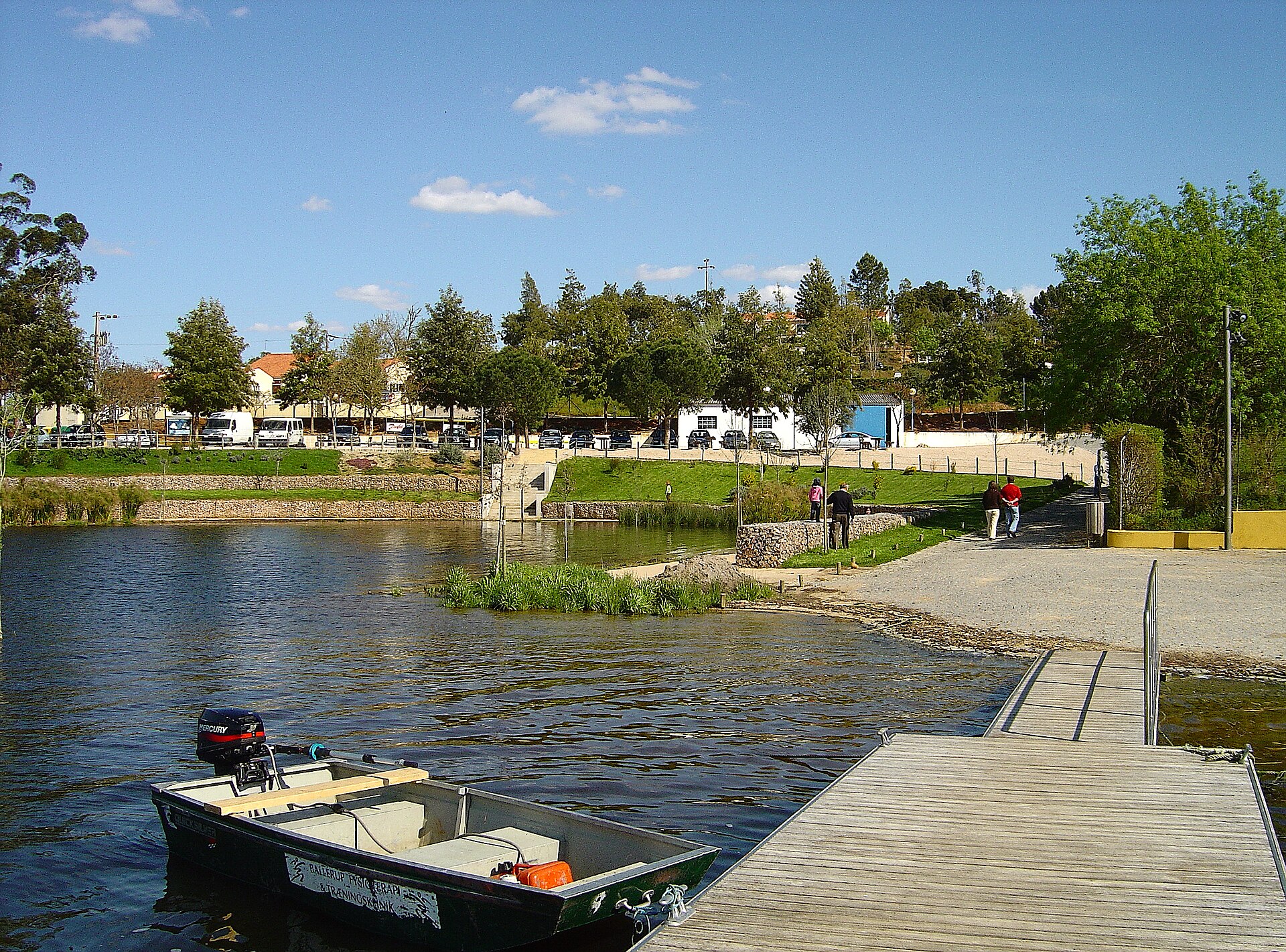
Bathing area in the Maranhão reservoir, next to Avis.
View guide →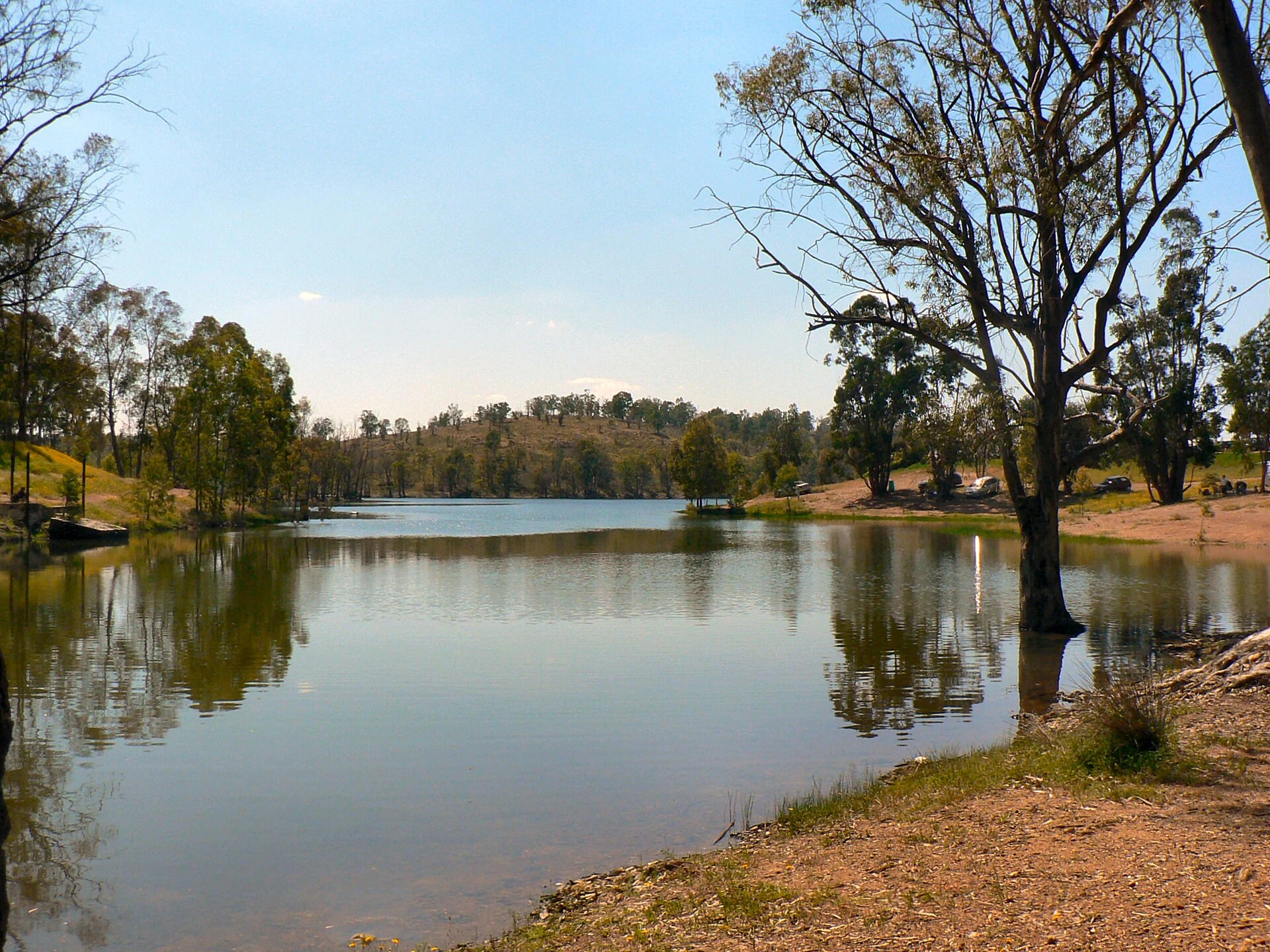
Inland beach at Mina de São Domingos, in the municipality of Mértola.
View guide →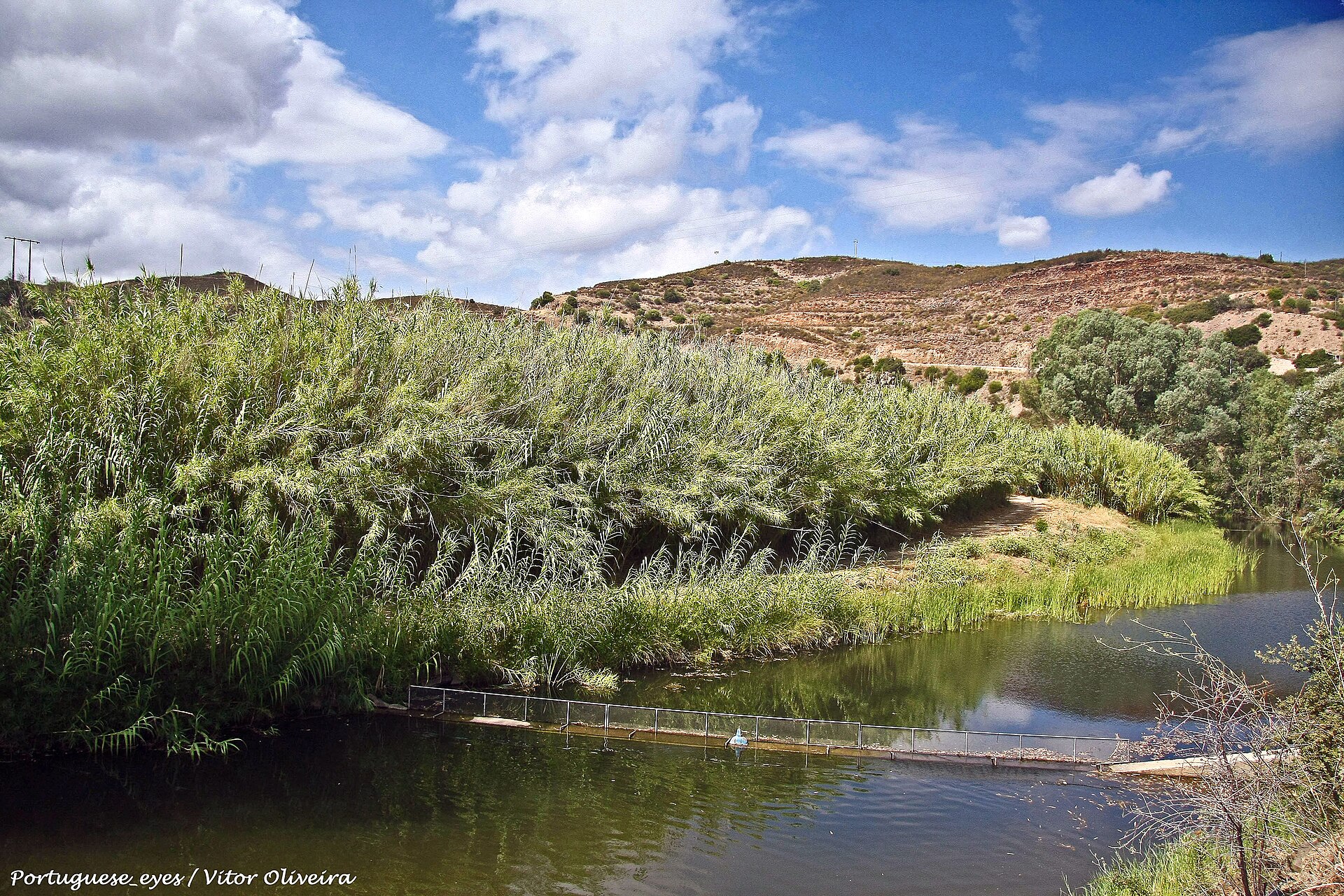
Bathing area on the Cadavais river, close to Alcoutim.
View guide →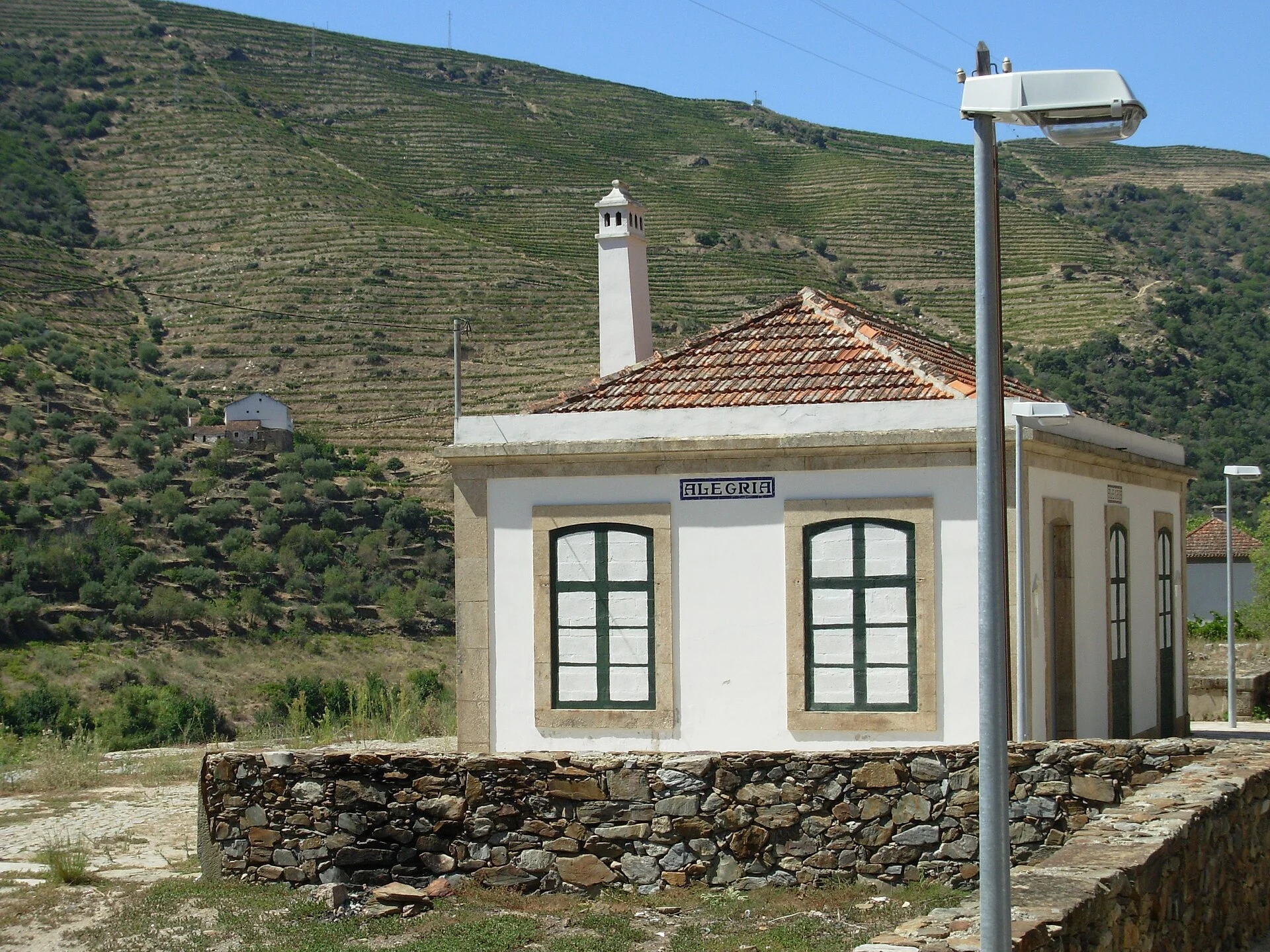
Railway connection that progressively follows the Douro valley between Porto and Pocinho.
View guide →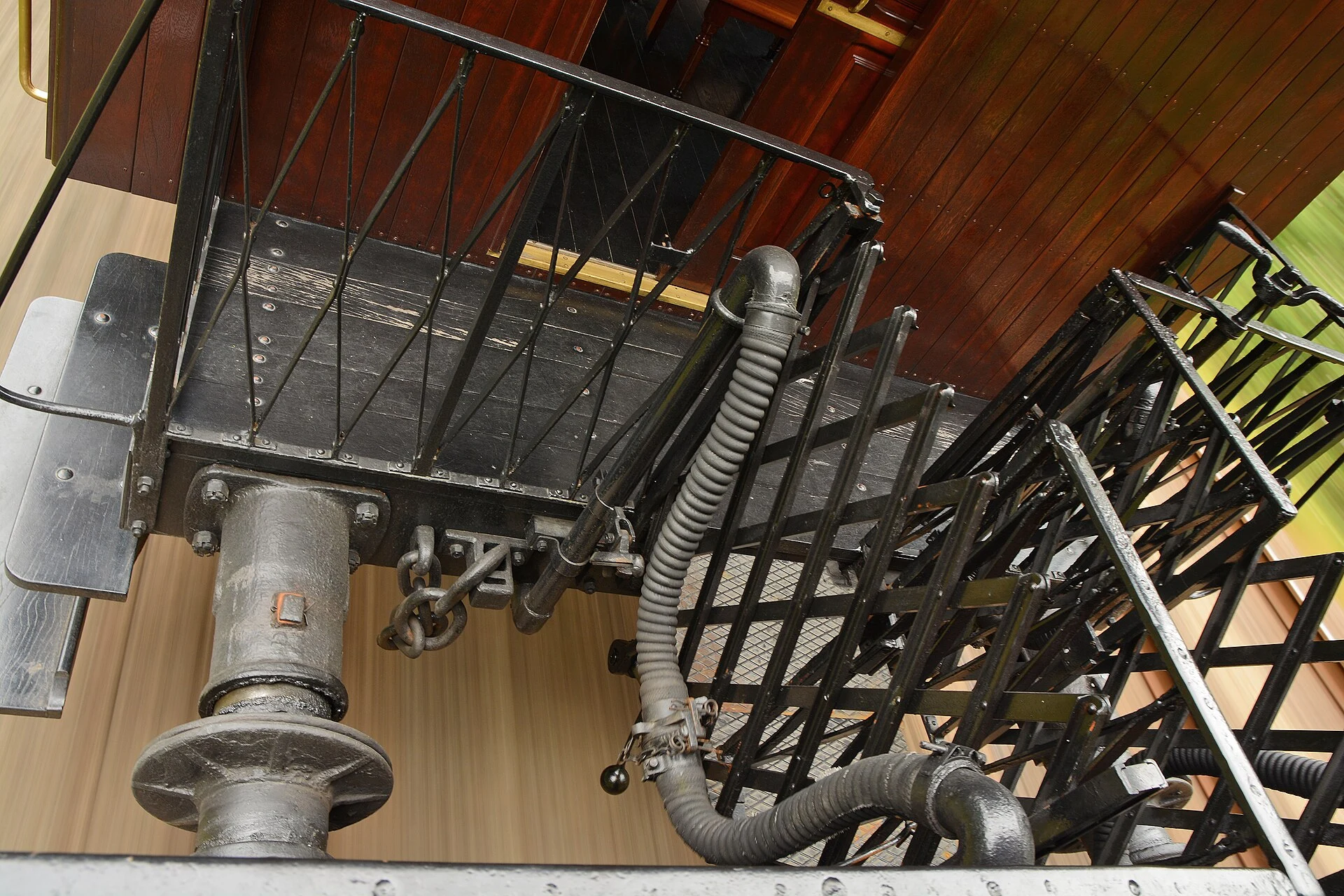
CP's seasonal tourist product, distinct from the Douro Line's regular services.
View guide →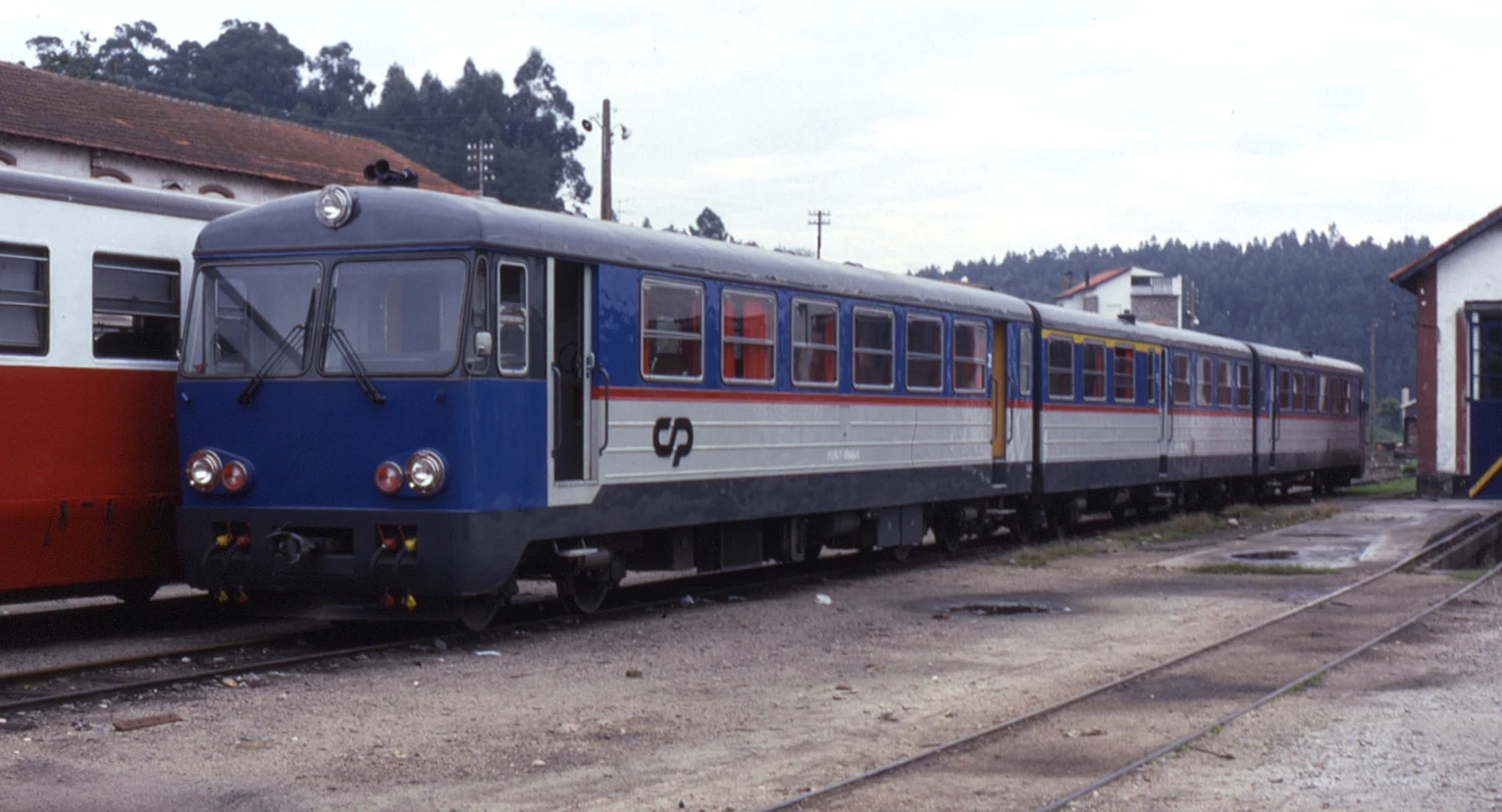
Narrow-track railway line in the Aveiro region, with offering subject to operational changes.
View guide →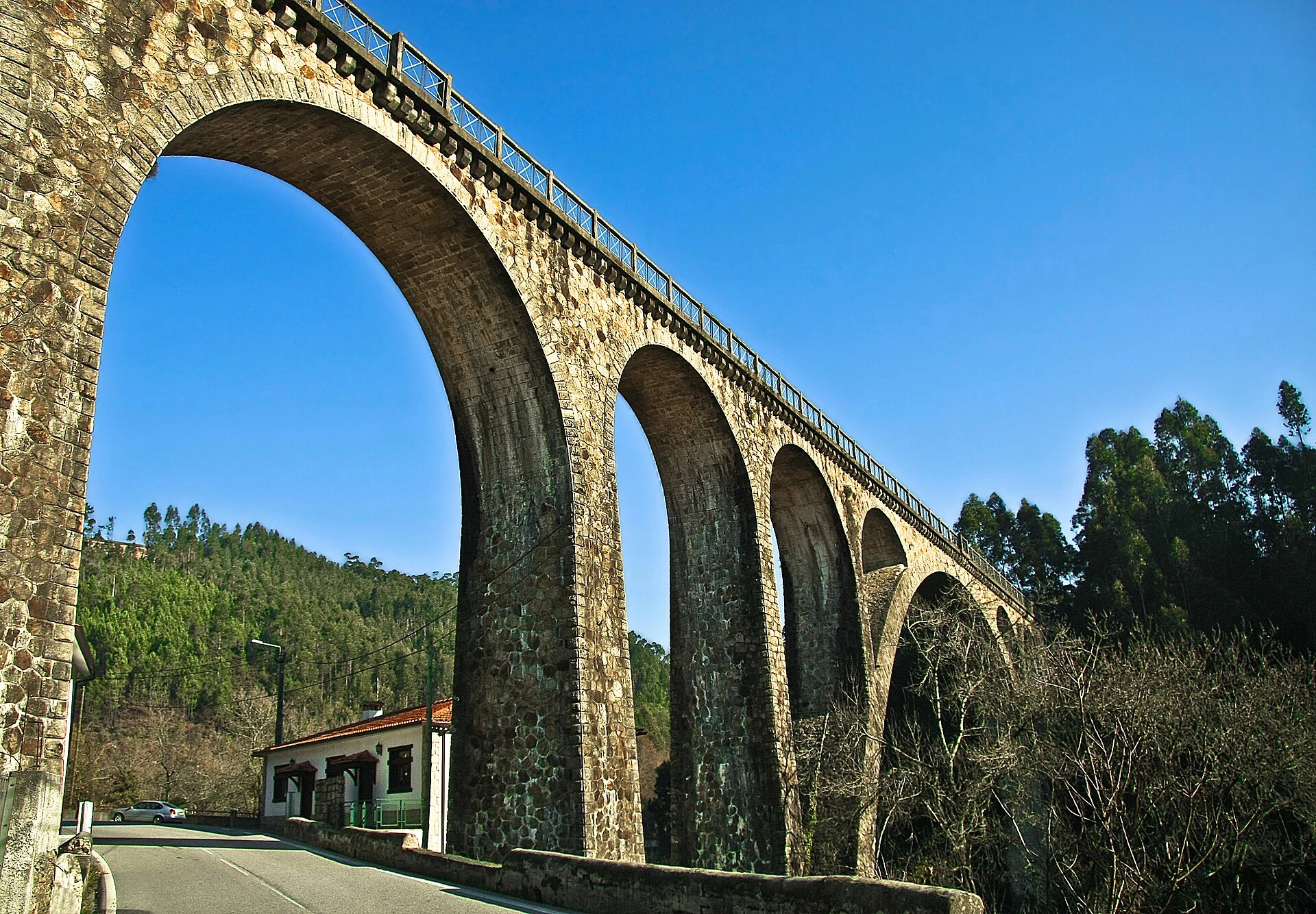
Tourist rail experience with a specific schedule, not a permanent daily historical service.
View guide →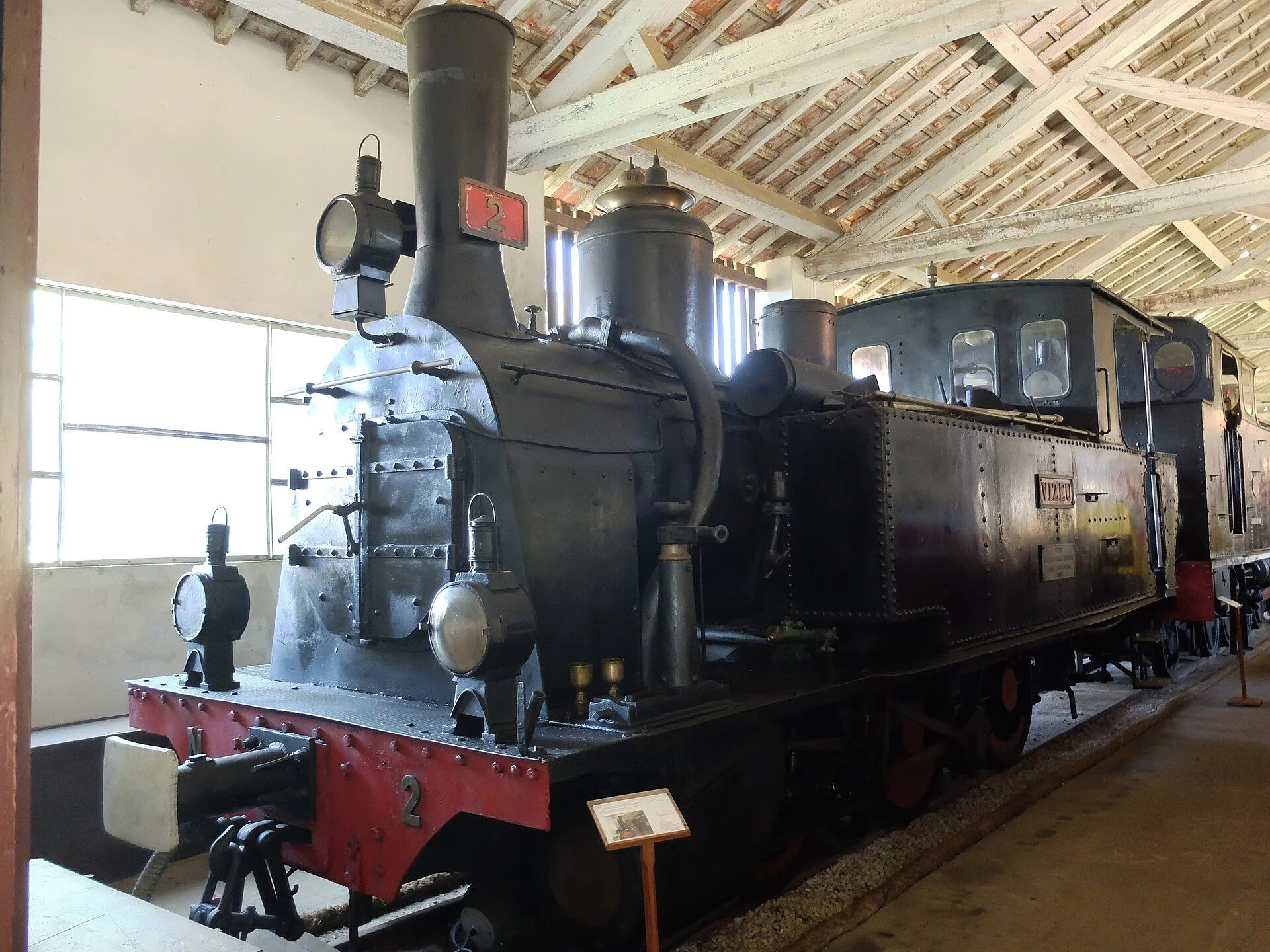
Museum dedicated to the heritage of Linha do Vouga.
View guide →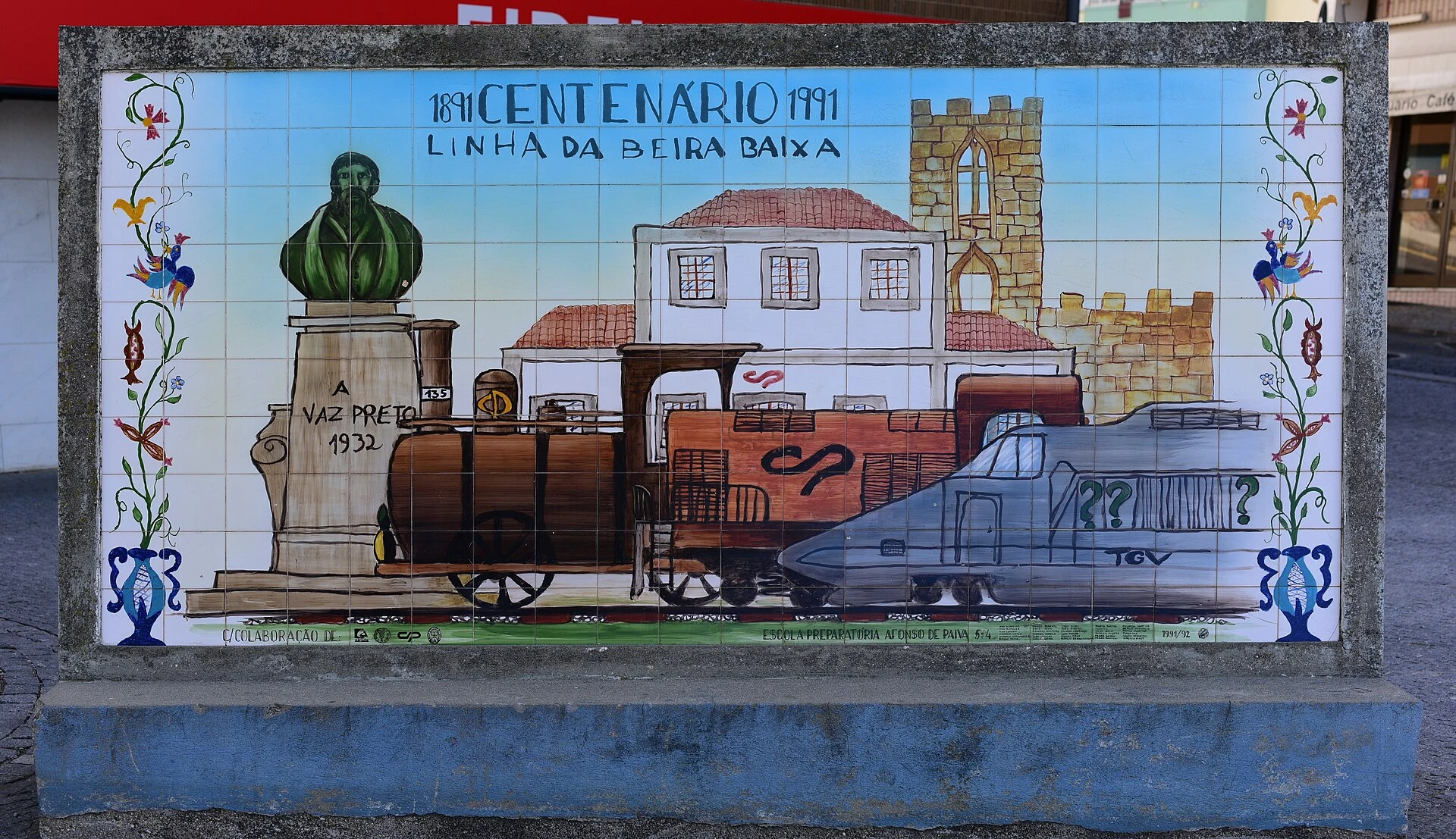
Railway axis of the interior center, with sections close to the Tagus and connections to the national network.
View guide →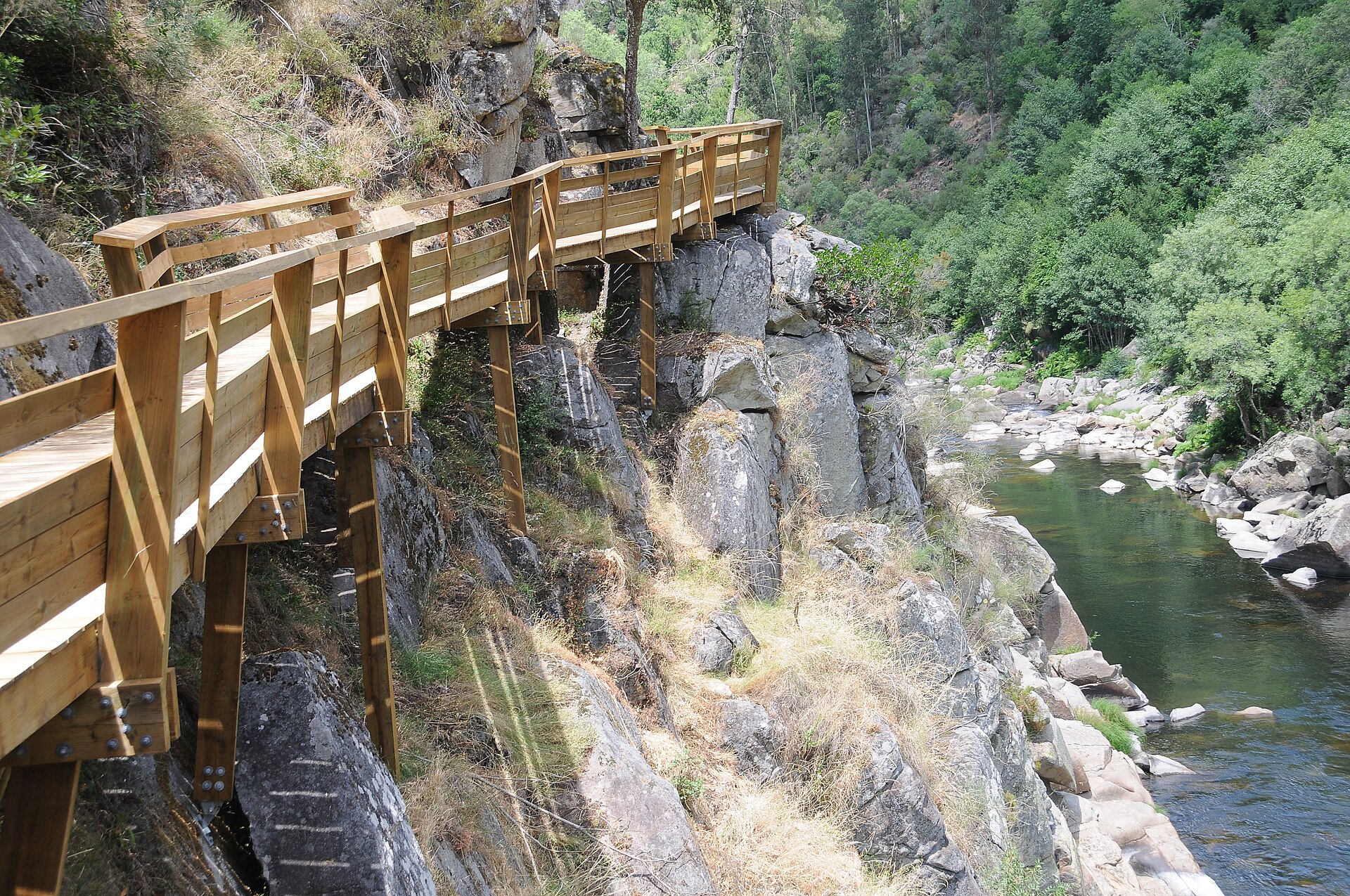
Pedestrian route next to the Paiva River, with ticket, stairs and transport logistics to be confirmed.
View guide →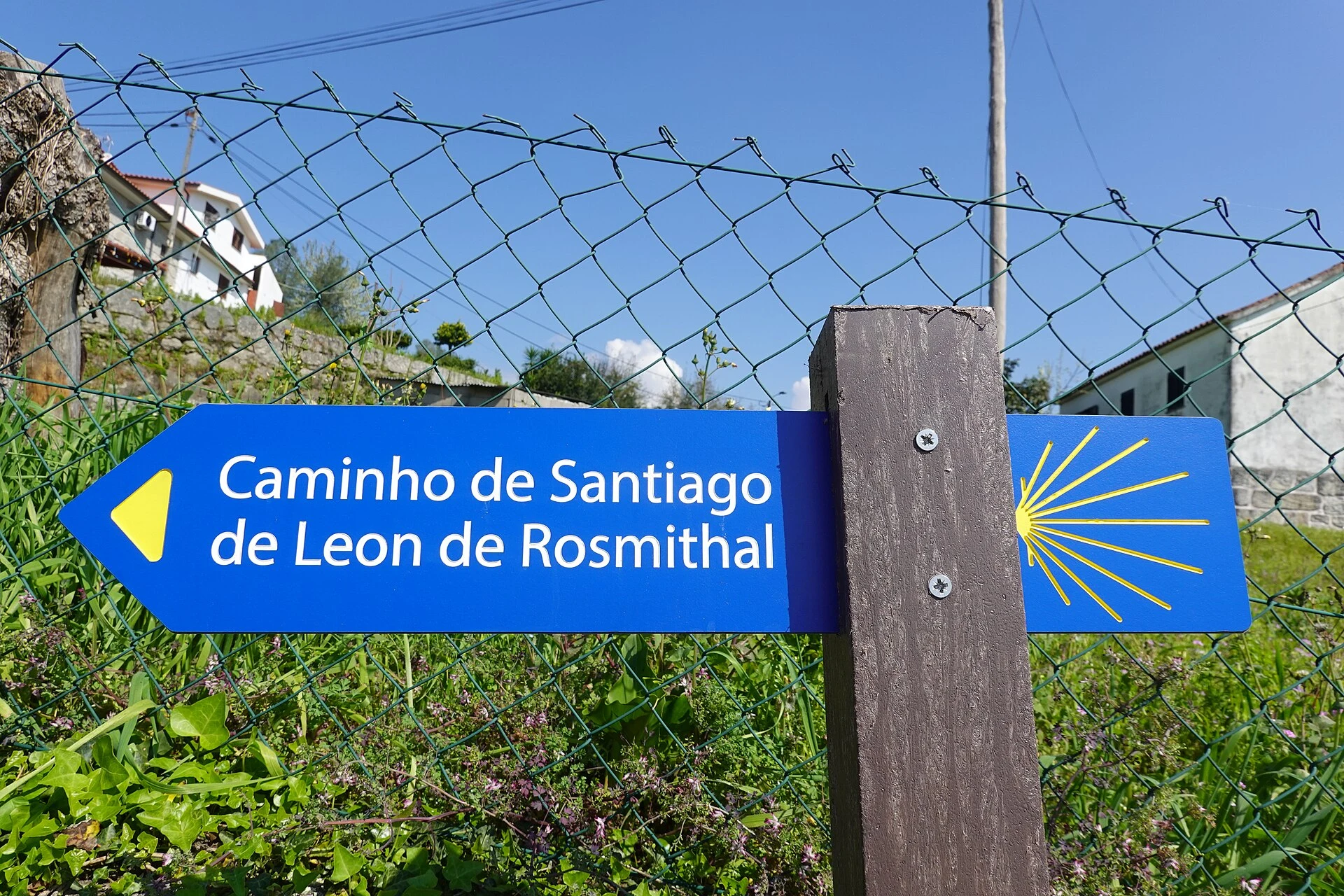
Network of pilgrimage paths with official variants, stages and own credentials.
View guide →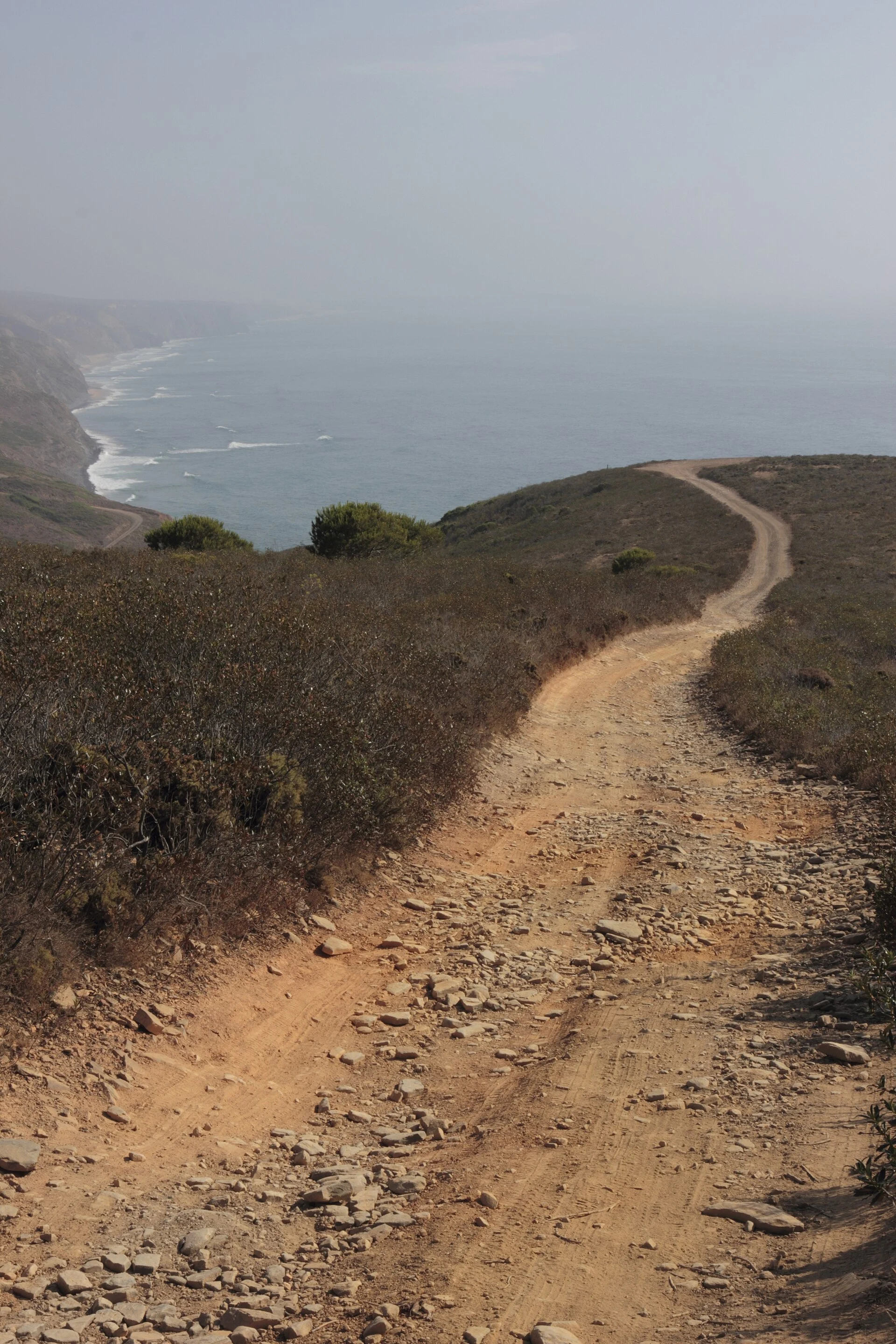
Network of walking routes in southwest Portugal, with stages and official rules.
View guide →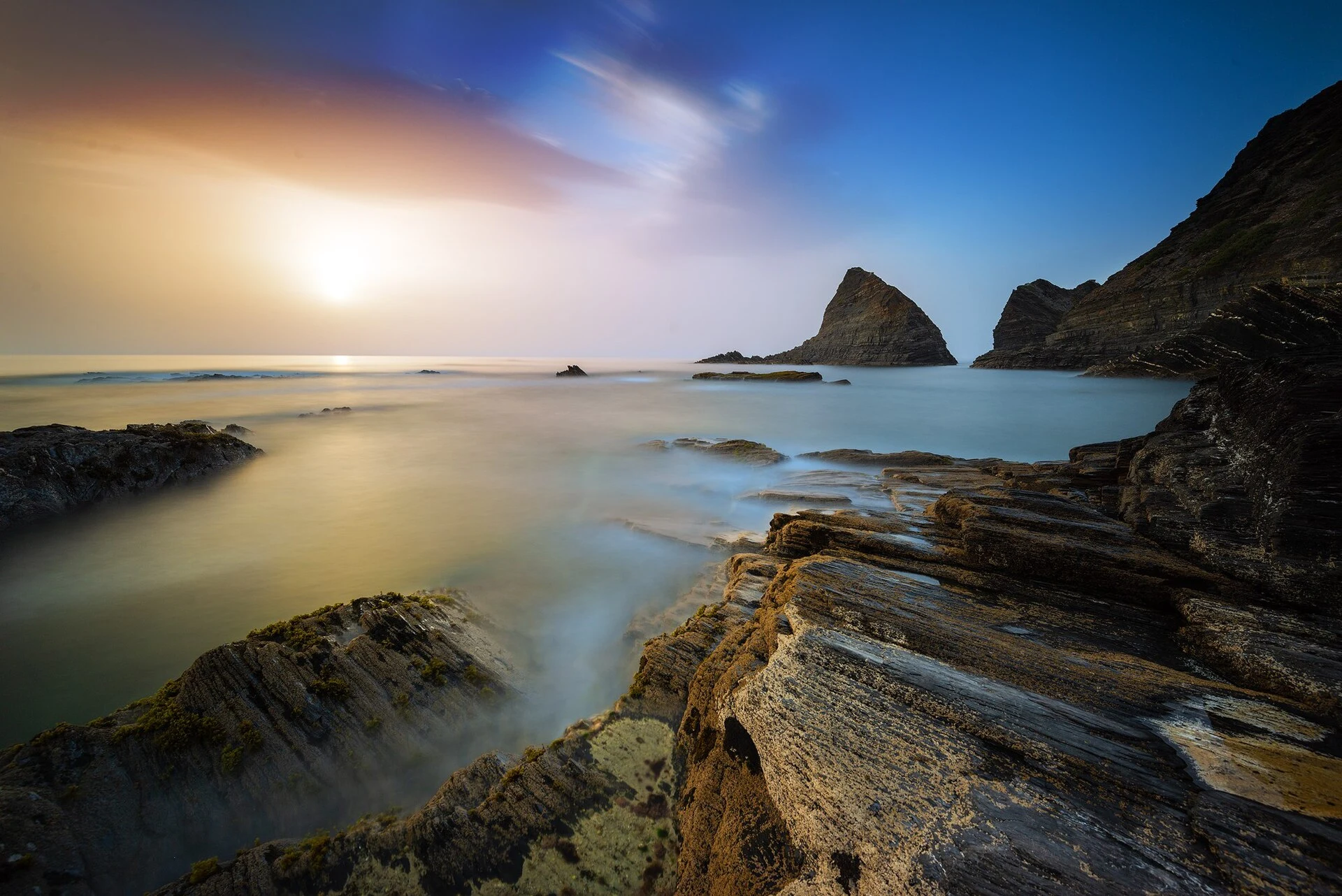
Large rural route integrated into the Rota Vicentina.
View guide →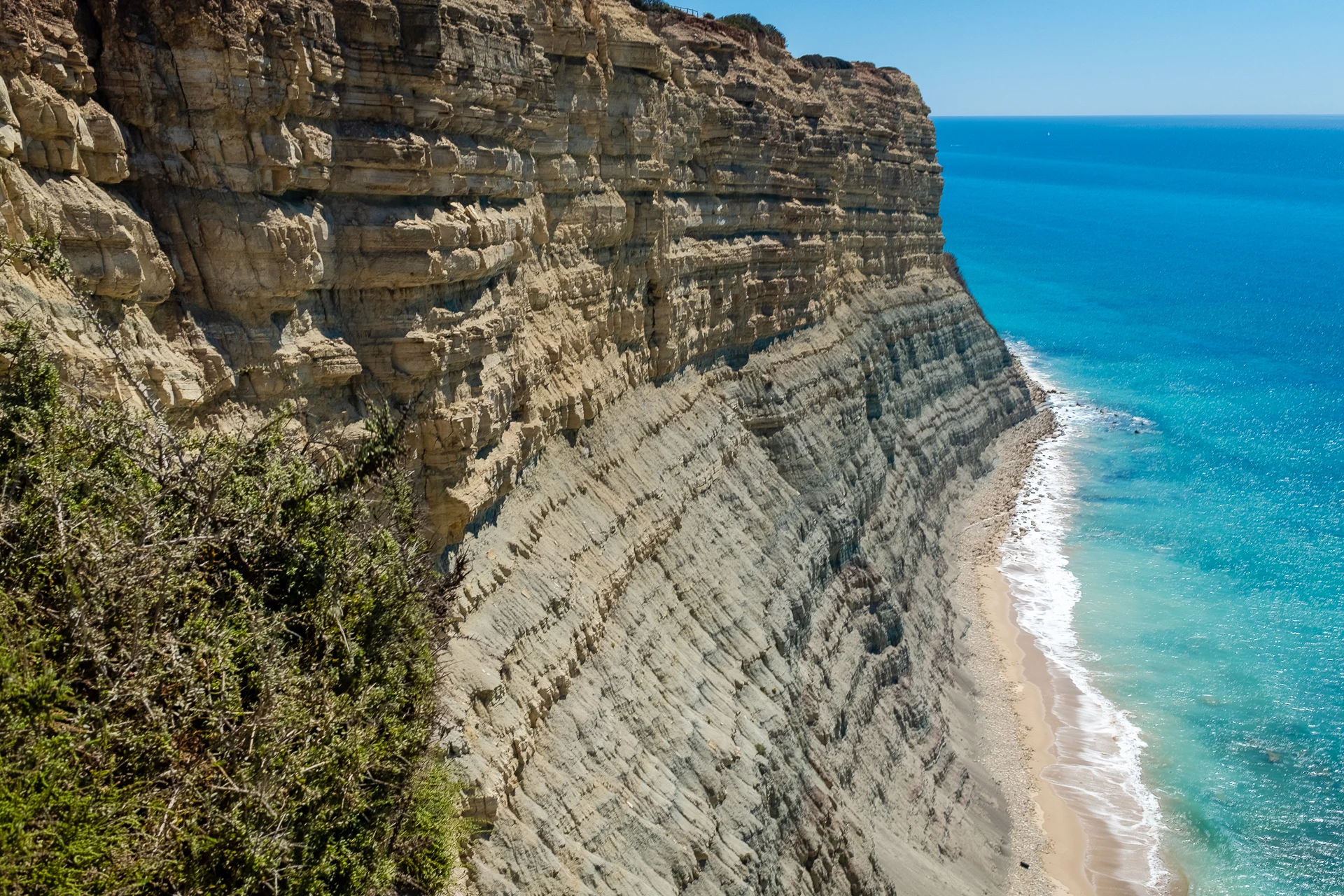
Coastal route of Rota Vicentina, exposed to sandy terrain, wind and cliffs.
View guide →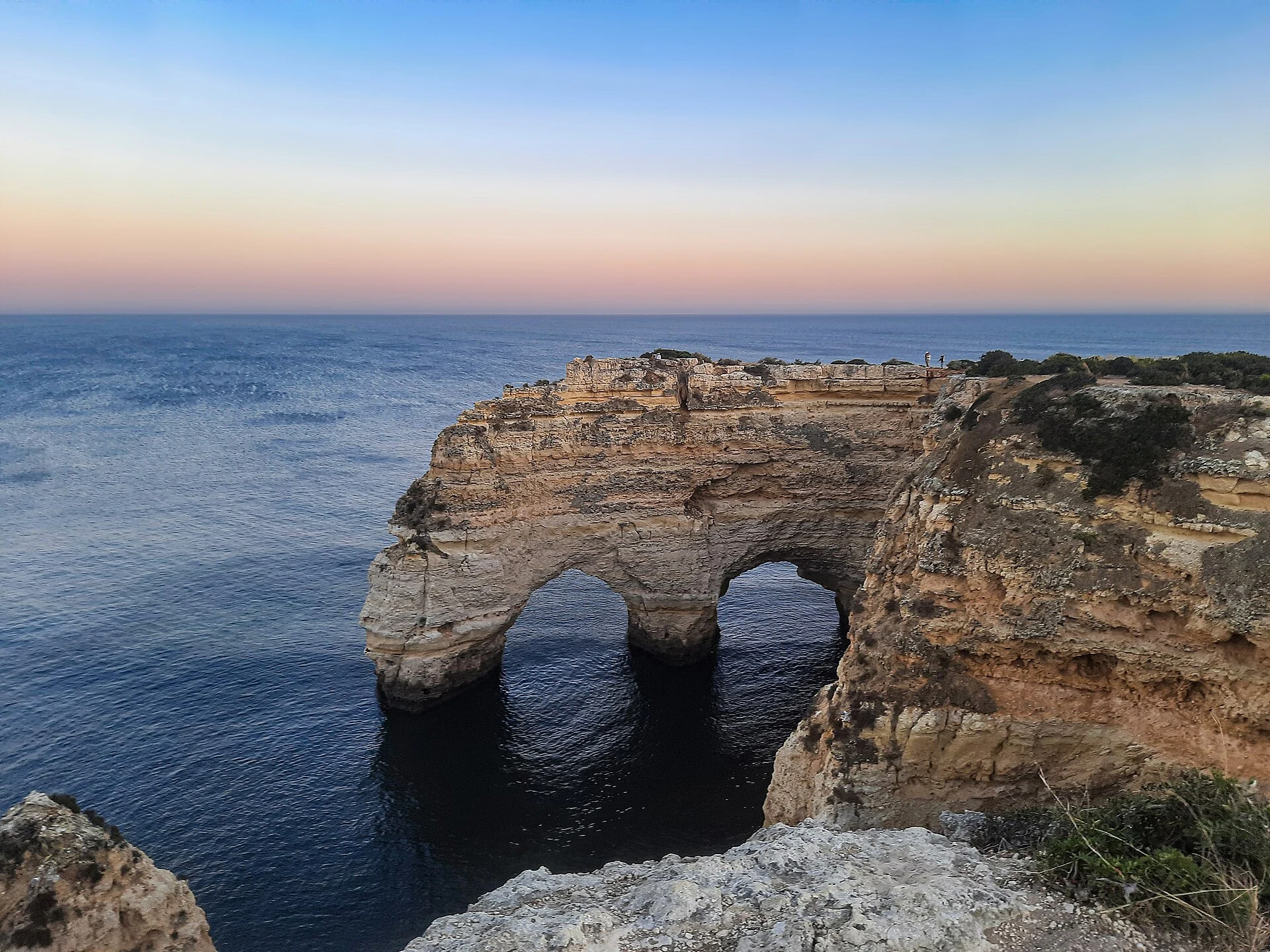
Algarve coastal route over cliffs, between Praia de Vale Centeanes and Praia da Marinha.
View guide →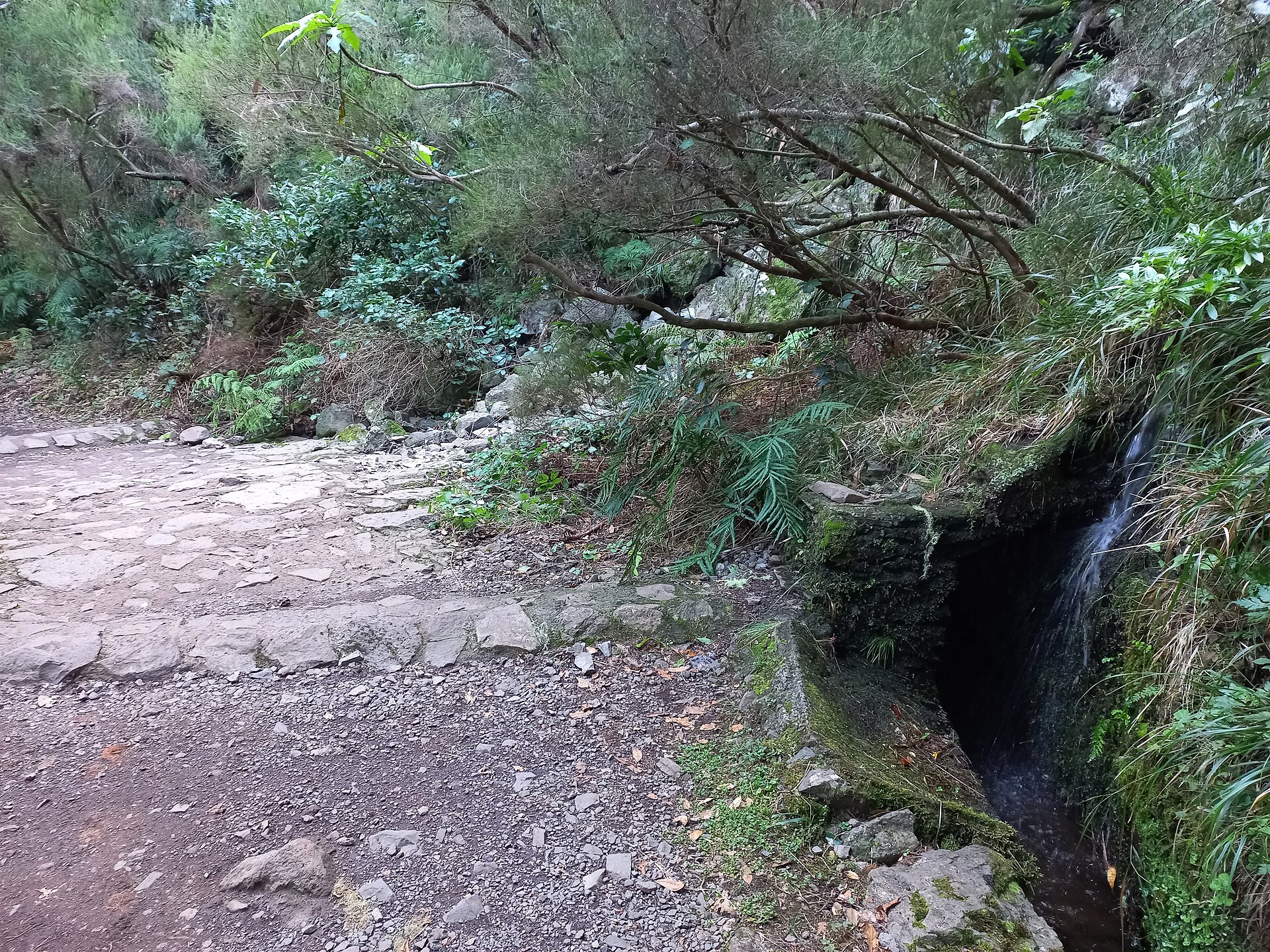
Network of routes with opening states, reservations and rules defined by regional authorities.
View guide →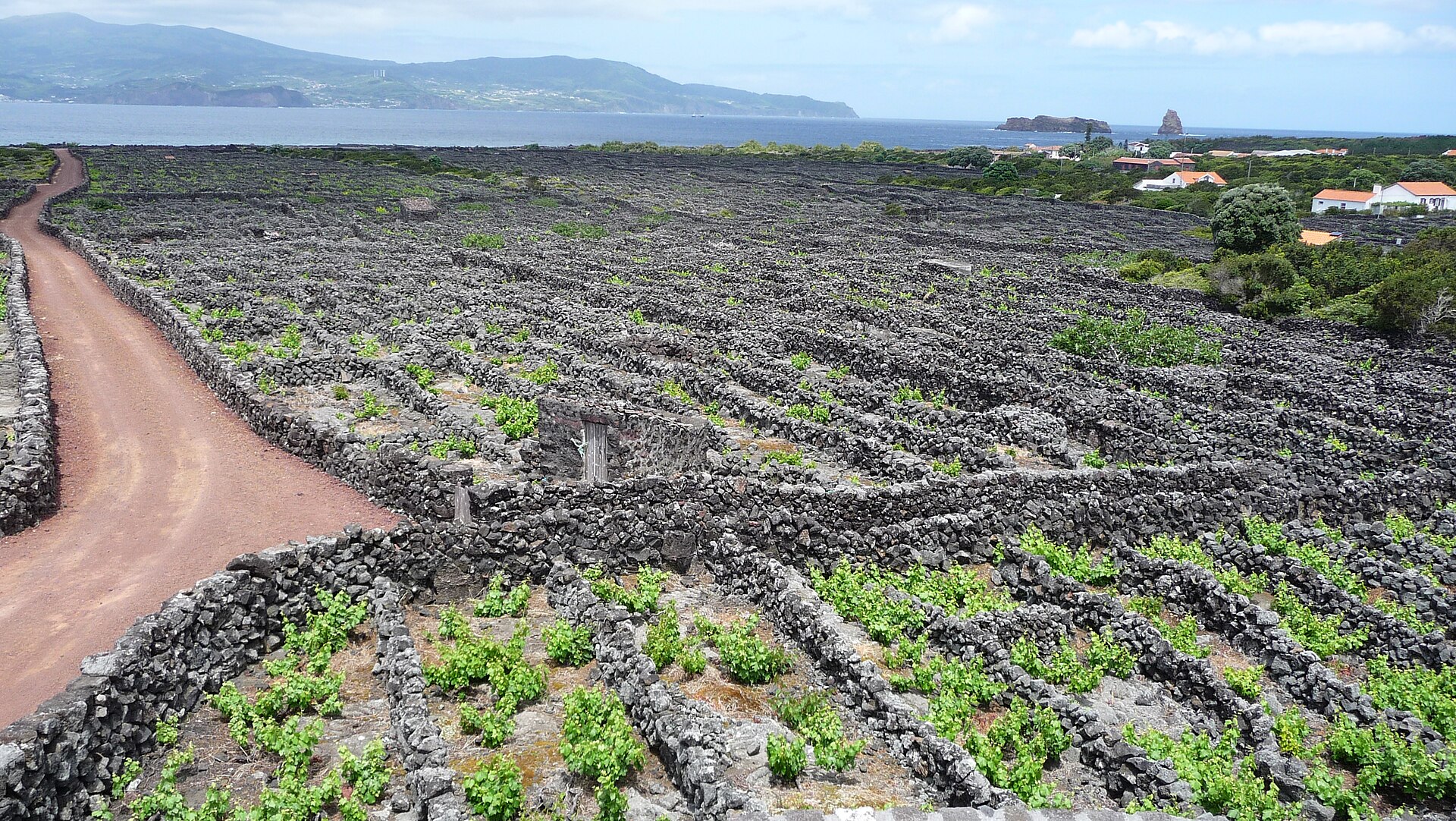
Regional network of hiking trails on volcanic islands, subject to weather and closures.
View guide →Help us improve
Correct information or share a story or interesting fact.
Help us improve
Your contribution will be reviewed manually before any change.
What to see in Portugal: monuments and places — Tourism in Portugal
A more personal journey
Tell us the days, region and how you want to travel.