Why it deserves a visit
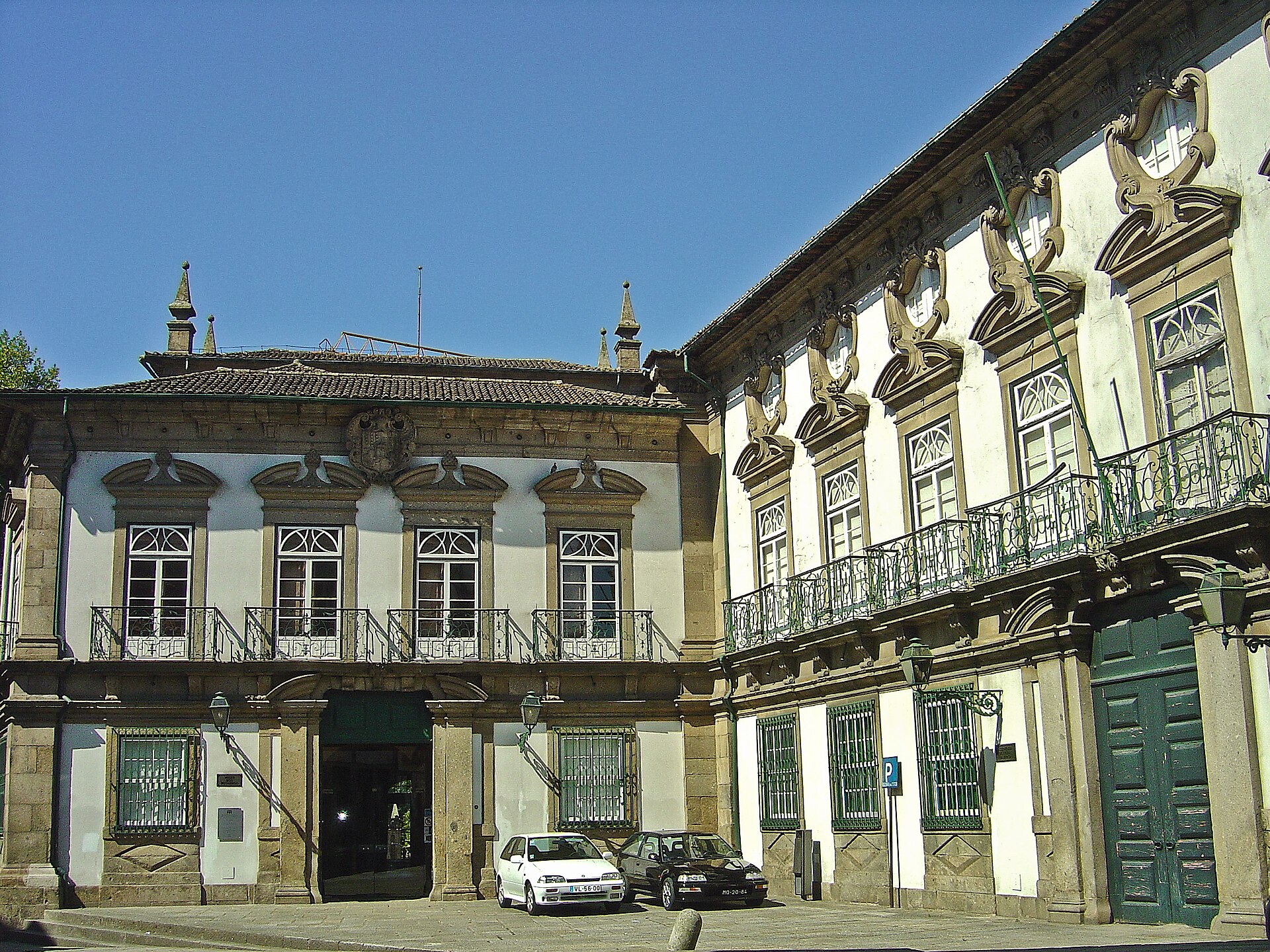
Housed in a seventeenth- and eighteenth-century urban palace, the museum evokes aristocratic domestic life and preserves a terraced garden with fountains, tiles and mature trees.
What to look for
The palace explains the organisation of an urban aristocratic residence in the seventeenth and eighteenth centuries, including reception rooms, tiles, decorated ceilings and service areas. In the terraced garden, notice fountains, tiled walls and historic trees.
Plan your visit
Access to rooms and garden may change because of works, conservation or rotating displays. Confirm what is open rather than planning the visit from the palace exterior alone. The name comes from the street where masons from Biscay worked, and the palace retains stables and service spaces that complete the reading of its formal rooms.
The museum occupies a historic urban palace with interiors and garden connected to elite life in Braga. Collections and rooms may rotate or close for conservation, so verify reopening status and the areas currently accessible.