Why it deserves a visit
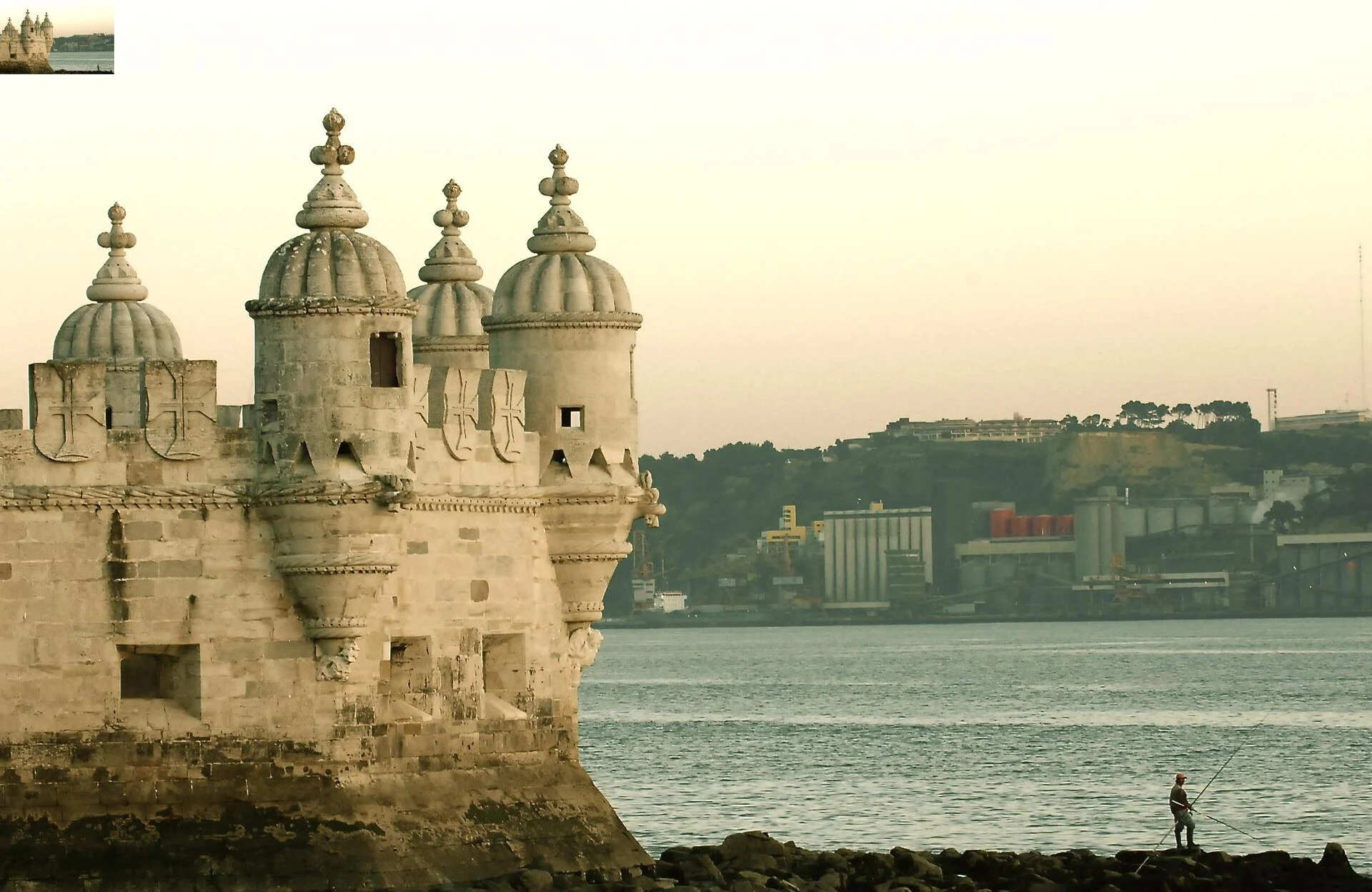
Built beside the Tagus between 1514 and 1520, the tower combined defence of the river entrance with royal display and became an enduring symbol of Manueline architecture.
What to look for
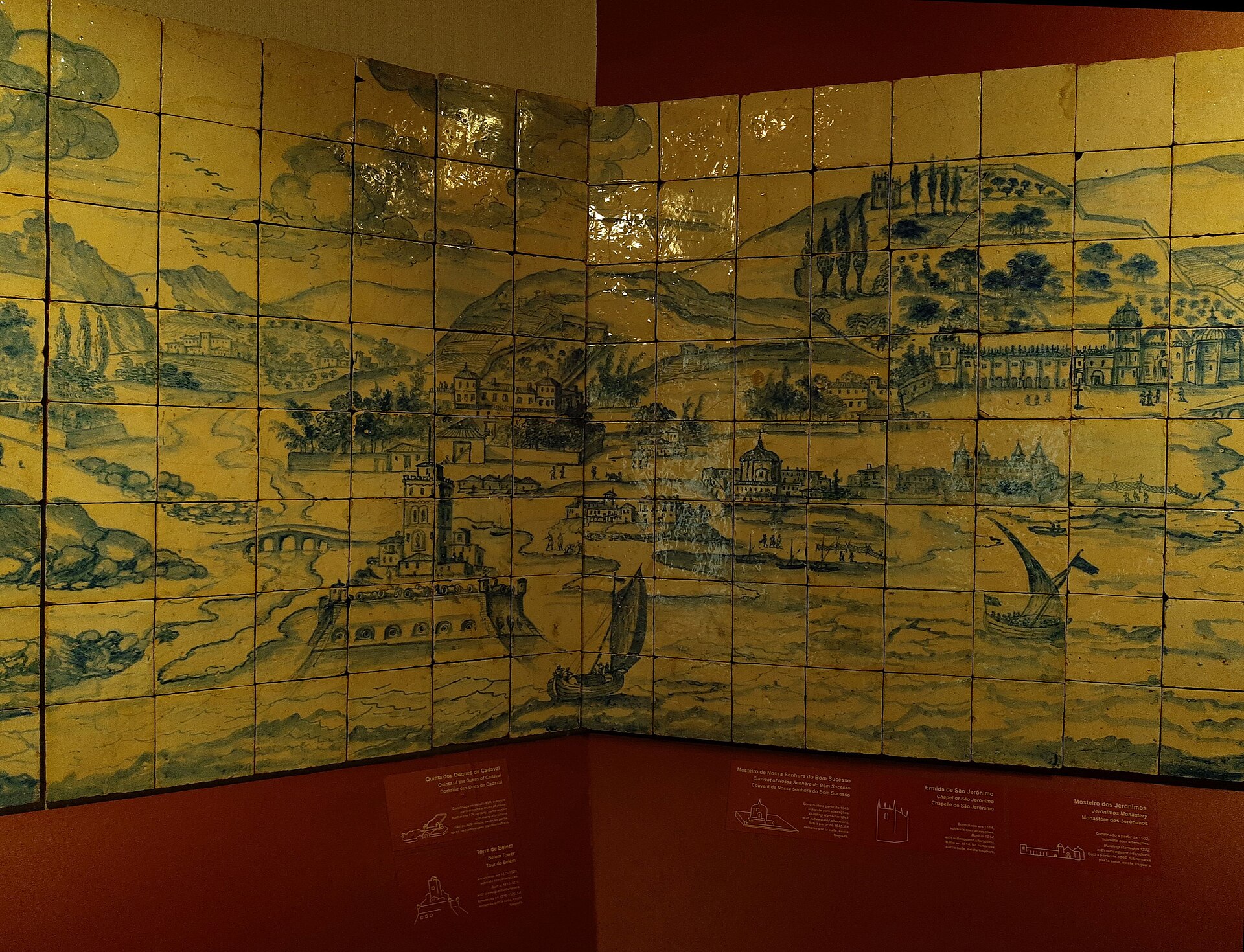
Designed by Francisco de Arruda in the early sixteenth century to help defend the Tagus entrance, the tower combines military architecture with Manueline ornament. Look for turrets, carved ropes and shields, and remember that the historic shoreline differed from today’s. Bastion and royal rooms reveal its combined defensive and representational purposes.
Plan your visit
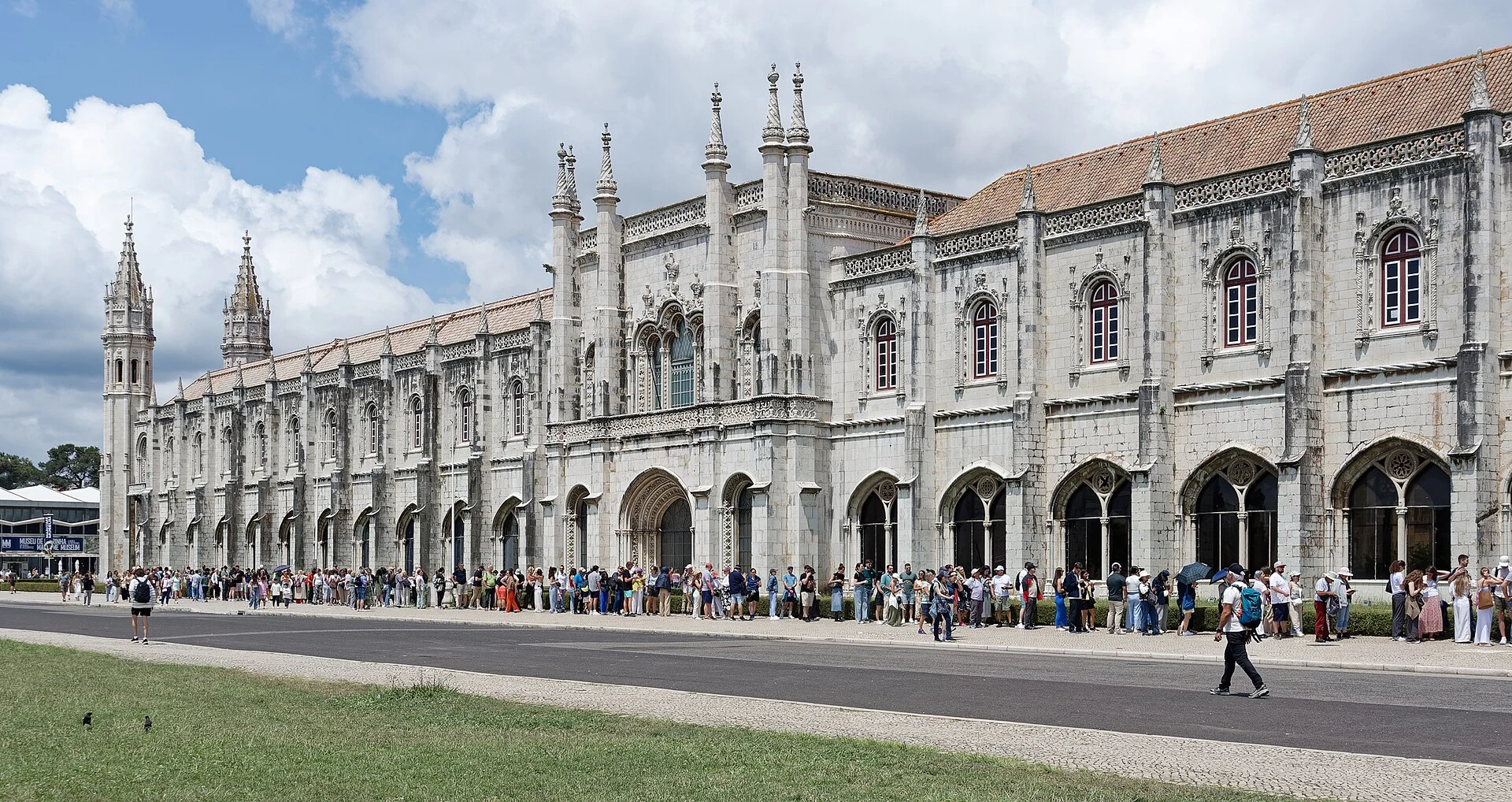
Narrow stairs and controlled circulation shape the interior visit. Check tickets, queues and accessibility, and use the exterior to understand the defensive role if entry is limited or unsuitable.
This early sixteenth-century river fortress stood within a different shoreline from today. Interior access involves narrow stairs and controlled circulation, so verify tickets and accessibility before joining the often substantial queue.
UNESCO lists the tower with the Jerónimos Monastery as testimony to Portugal’s maritime expansion.