Why it deserves a visit
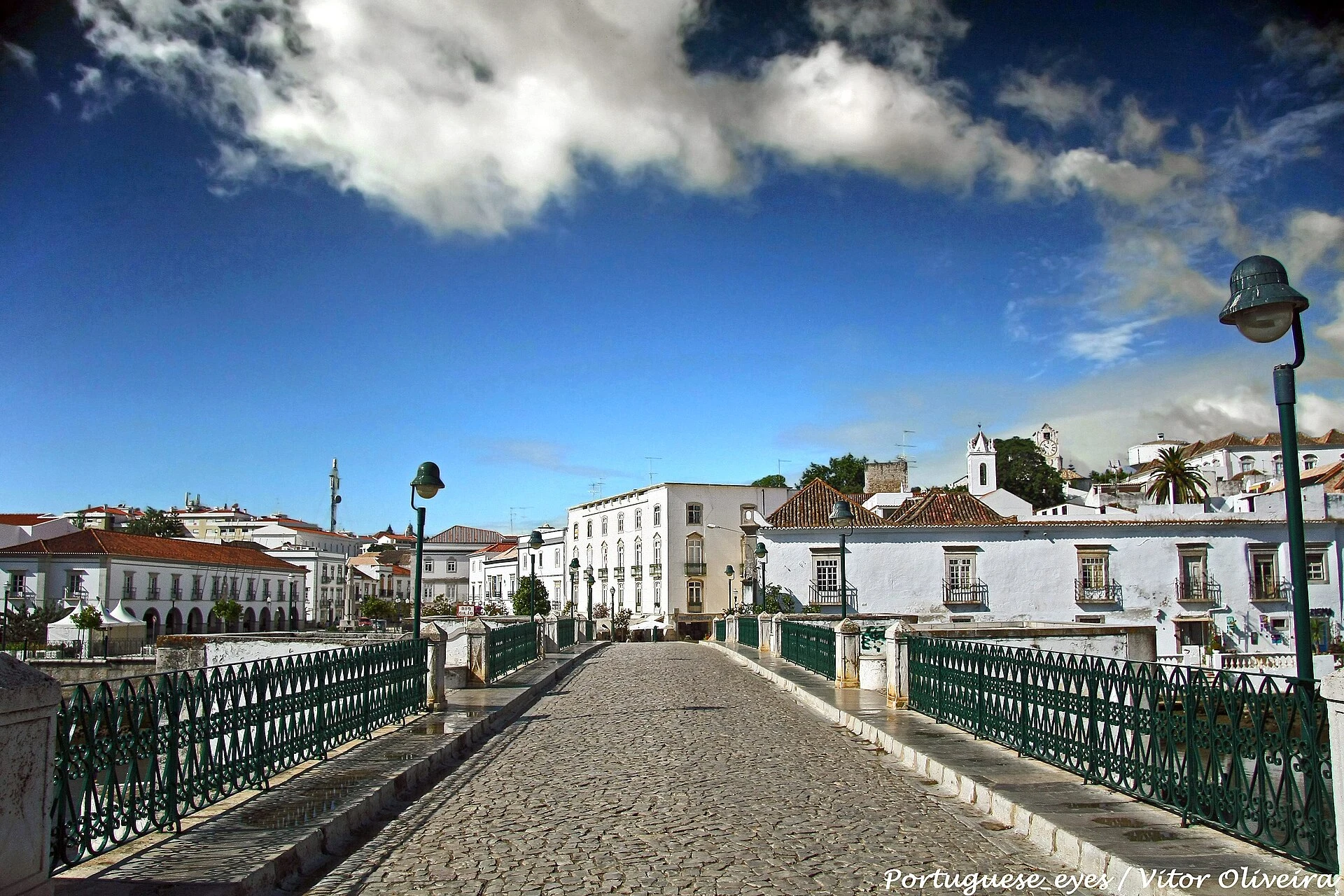
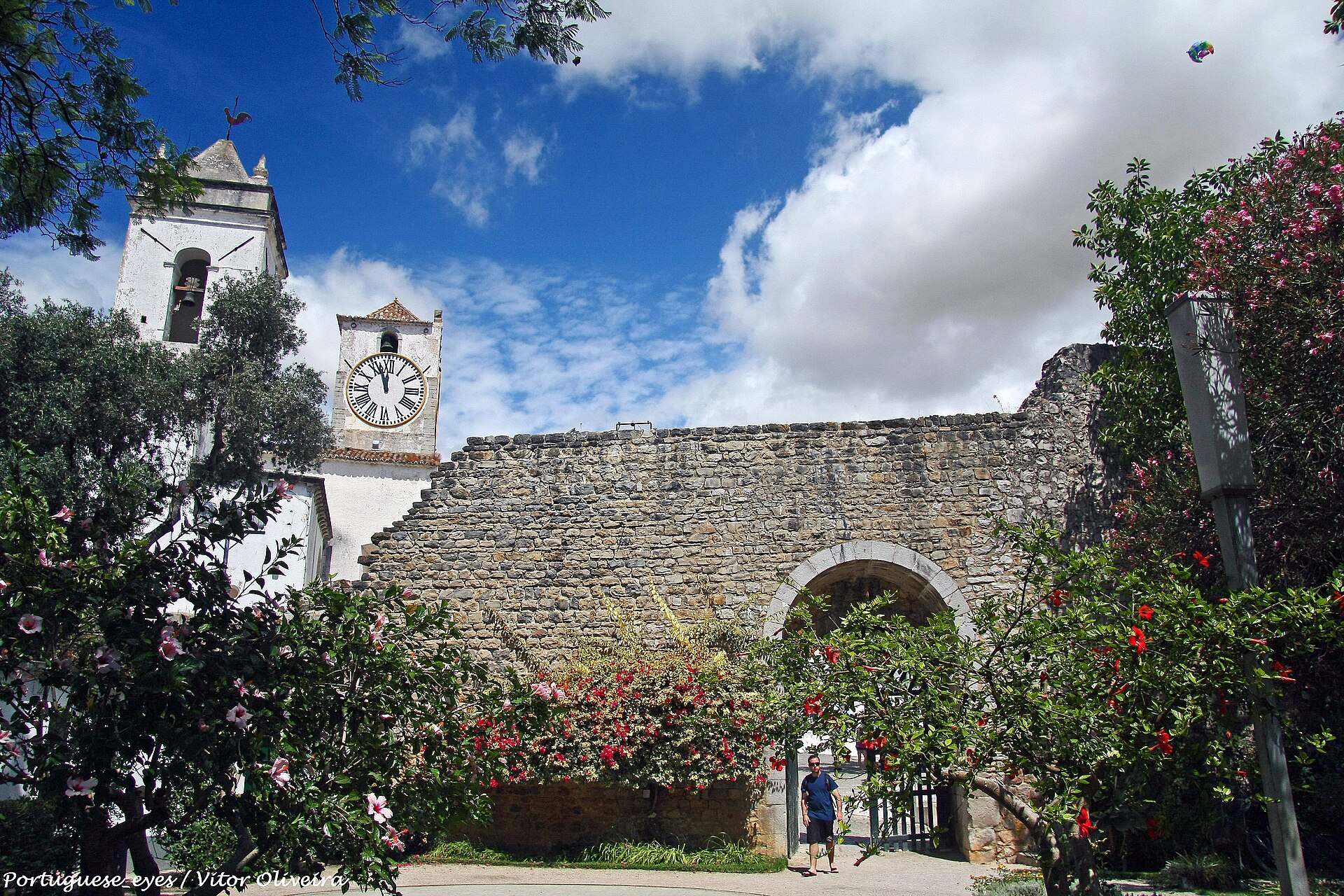
Tavira’s surviving castle walls reflect Islamic and Christian phases and enclose a garden whose higher points reveal the town, River Gilão and the nearby lagoon landscape.
What to look for
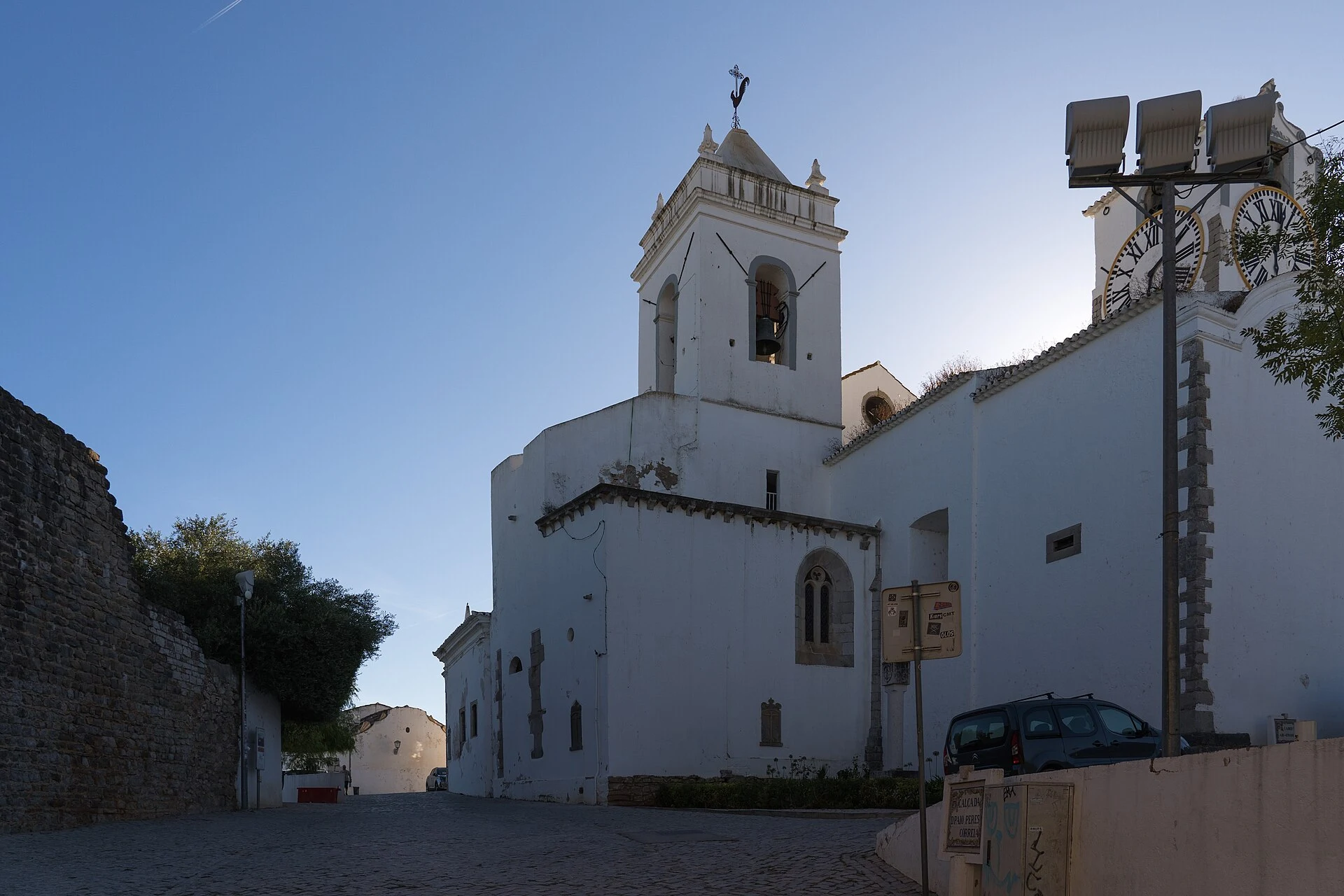
Visible walls combine Islamic, medieval Christian and later repair phases. From the high points, the main reading is territorial: houses, the Gilão, salt pans and the nearby lagoon landscape.
Plan your visit
The enclosure consists mainly of walls and garden, not furnished rooms. Check access, take care on steps and uneven ground, and respect the adjoining churches and historic neighbourhood. The Christian capture of Tavira in 1242 is connected with the Order of Santiago; centuries later, the 1755 earthquake contributed to the loss of substantial fortifications.
The surviving walls and garden occupy a high point in Tavira rather than forming a complete furnished castle. Entry conditions can change, and steps or uneven surfaces require care while respecting the adjacent religious buildings.
The remaining enclosure preserves a strategic view over the Gilão valley and the routes towards the coast.