Why it deserves a visit
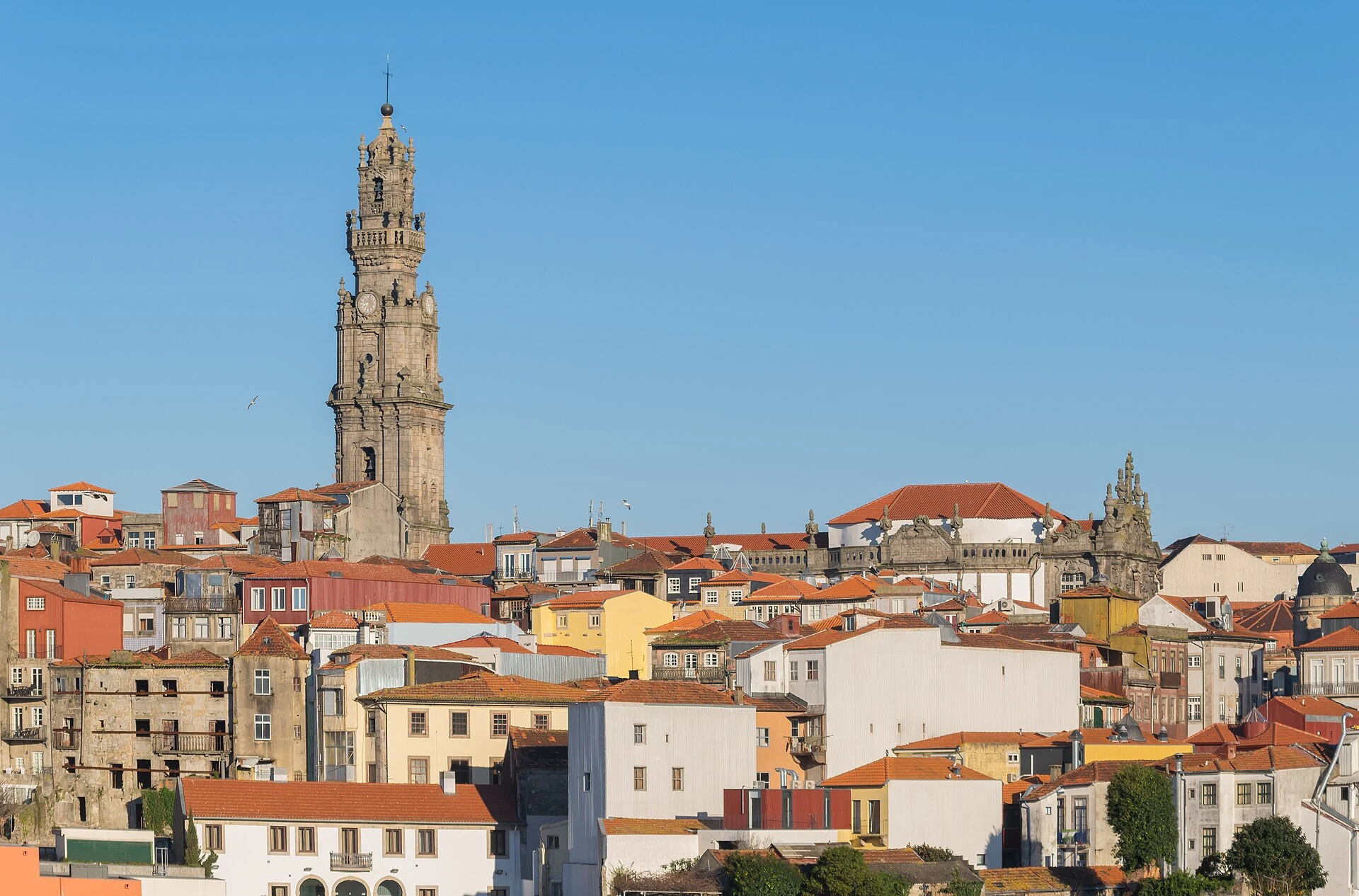
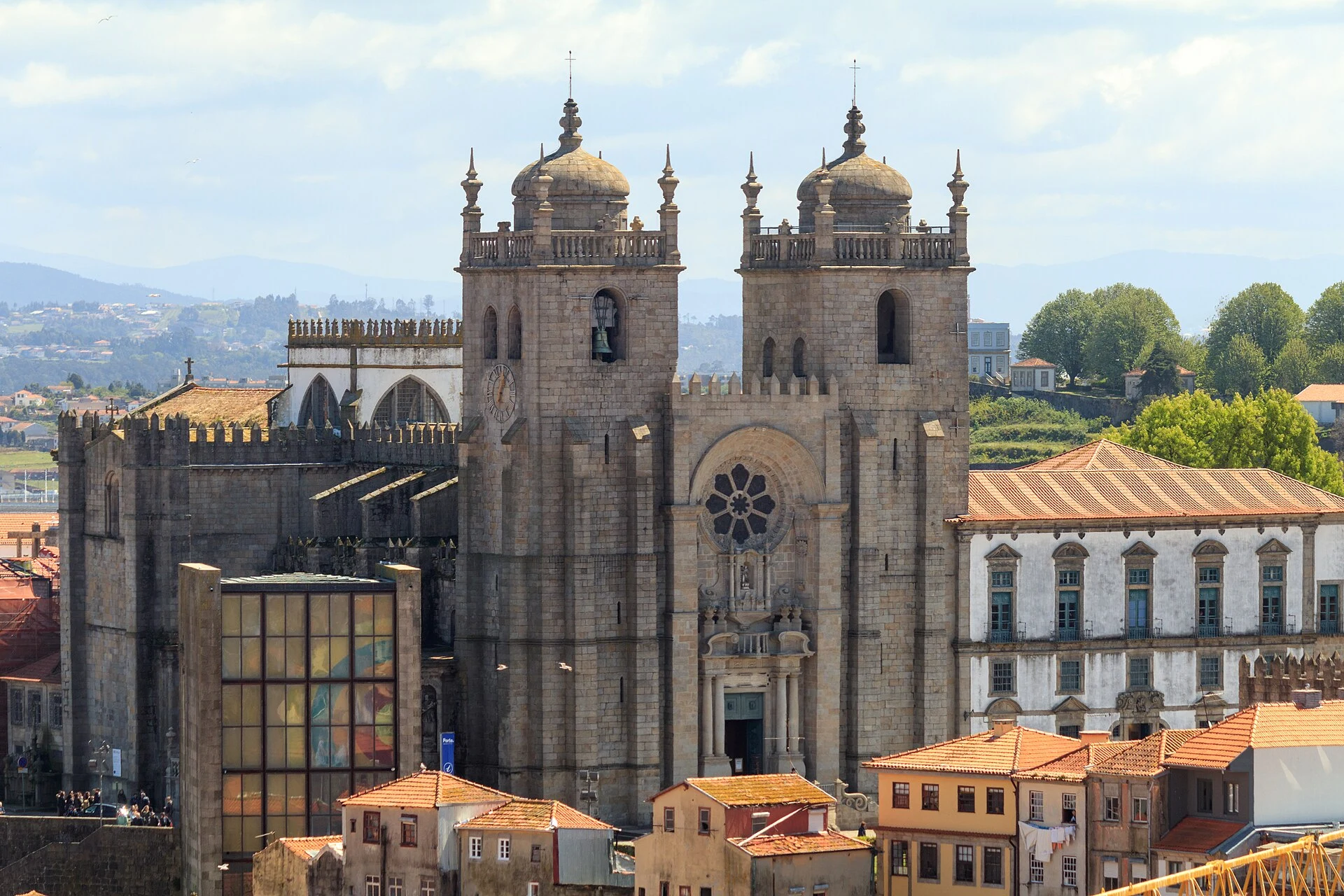
Developed from the Middle Ages onwards, Porto Cathedral combines Romanesque, Gothic and Baroque work; its elevated square opens a clear view across the historic city towards the Douro.
What to look for
The fortified appearance and rose window recall the Romanesque origins, while the Gothic cloister, tiles and chancel reveal later campaigns. From the square, read the cathedral’s position above the medieval city and the houses descending towards the Douro.
Plan your visit
Distinguish free access to the church from ticketed areas such as the cloister. The cathedral remains active and surrounding streets are steep, so check services and prepare for the approach on foot. The Baroque loggia facing the city is attributed to Nicolau Nasoni and deliberately contrasts with the medieval solidity preserved elsewhere in the cathedral.
Porto Cathedral combines Romanesque origins with Gothic and Baroque transformations. The terrace and cloister broaden the visit, while the surrounding lanes descend steeply towards the river; check the ticketed areas and worship schedule.