One national guide, fourteen possible journeys
Portugal is not a single wine route. It is a collection of distinct territories, native grapes and landscapes shaped by vines. Choose one or two regions rather than attempting the whole country at once; book visits and leave room for heritage, food and scenery.
Vinho Verde
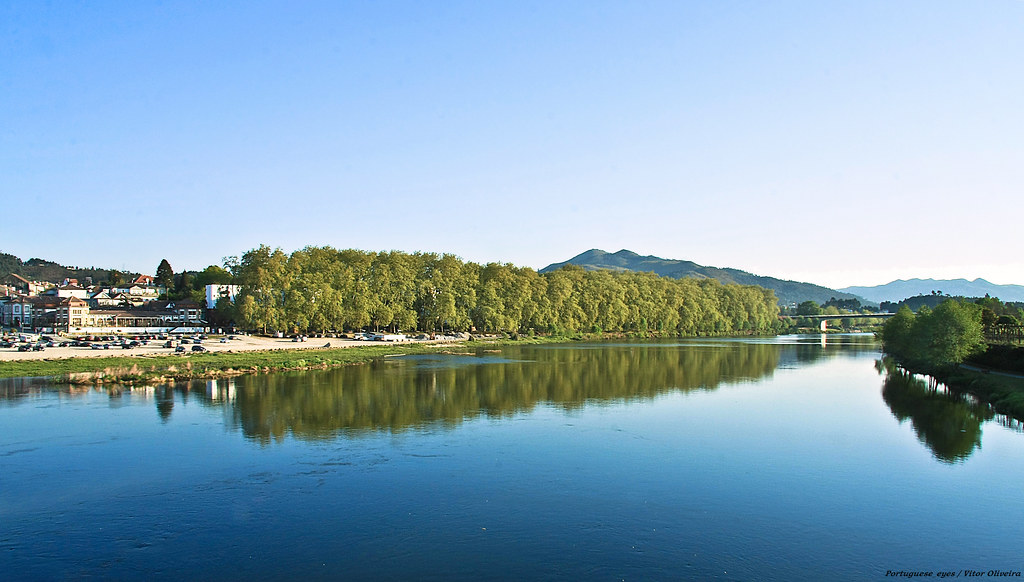
Begin around Monção and Melgaço for Alvarinho, or connect Ponte de Lima, Barcelos, Guimarães and Amarante. This is a large and diverse region: “green” does not identify one grape or one single style. Confirm visitor arrangements directly with producers.
Douro and Port
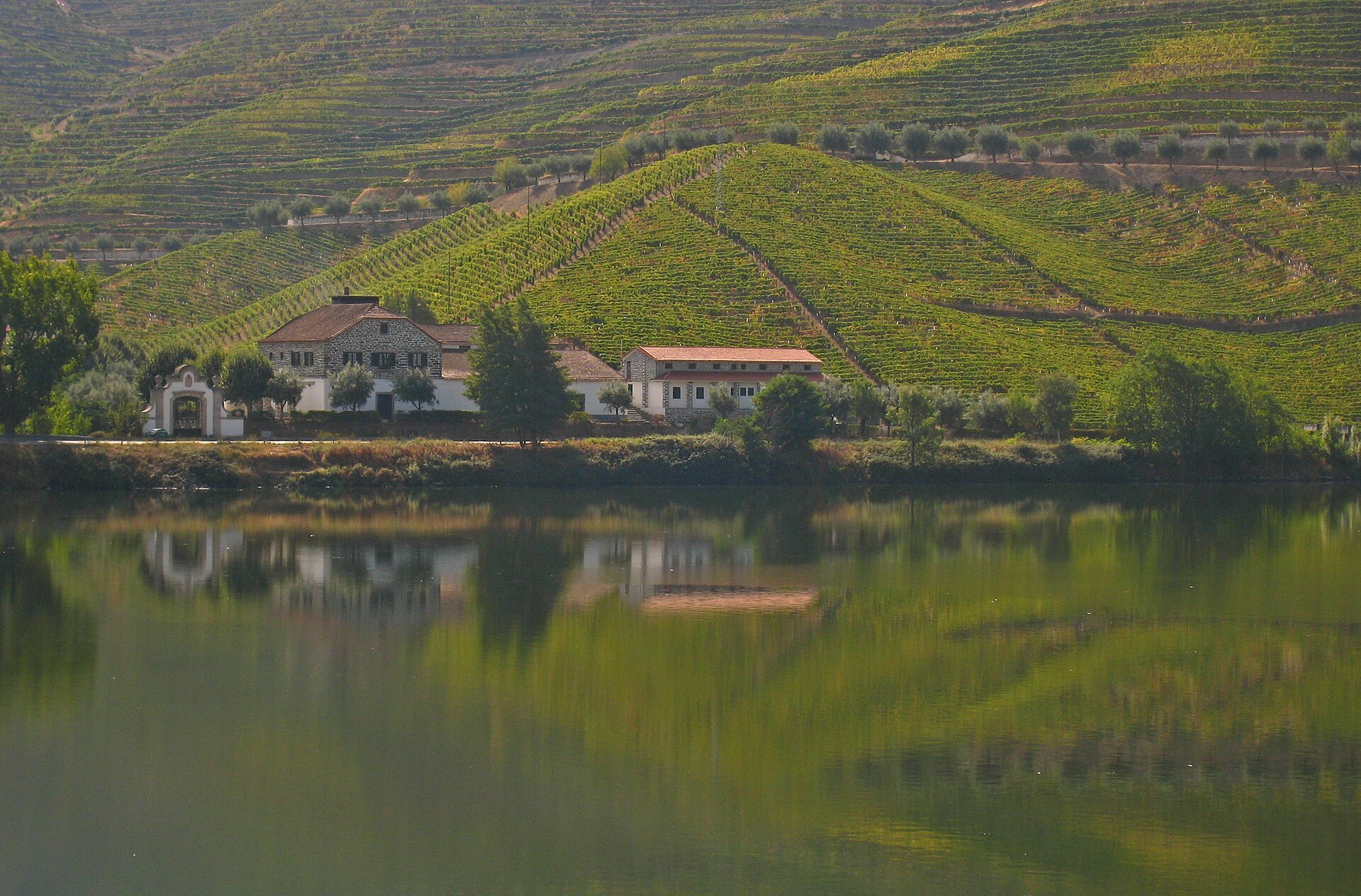
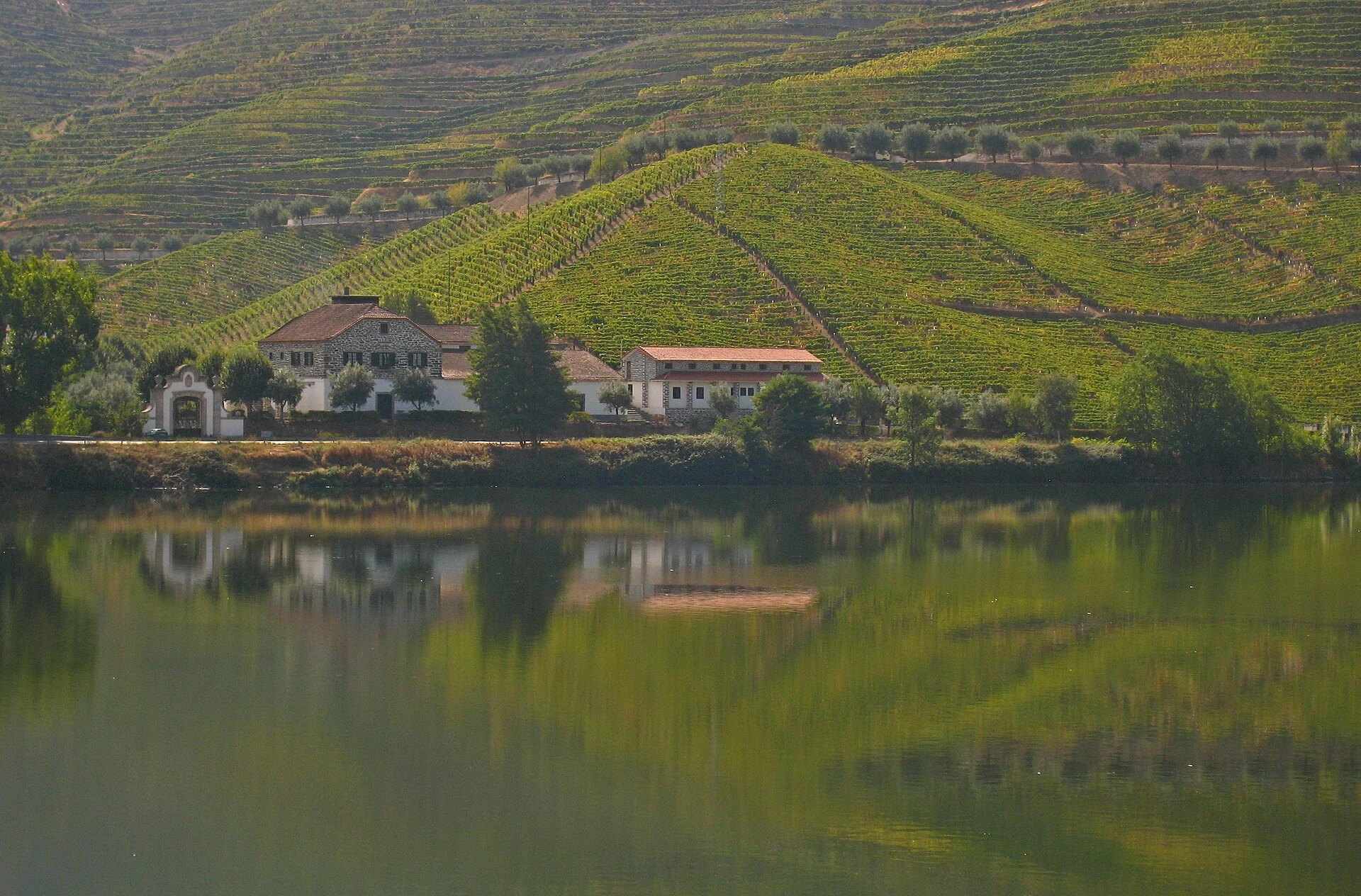
Peso da Régua and Pinhão make practical bases, with Lamego and Vila Nova de Foz Côa extending the journey. The 1756 demarcated region comprises Baixo Corgo, Cima Corgo and Douro Superior. Vila Nova de Gaia’s lodges are central to Port’s trade and ageing history, but lie outside the production region. Use a designated driver on the narrow, winding roads.
Dão and Bairrada
For Dão, link Viseu, Nelas, Santar and Mangualde to explore altitude, granite and mountain shelter; Touriga Nacional and Encruzado are useful starting points. In Bairrada, use Anadia for wineries, sparkling wines and the wine museum, then add Mealhada, Cantanhede, Luso or Buçaco. Atlantic influence, clay-limestone soils and Baga are key references.
Beira Interior
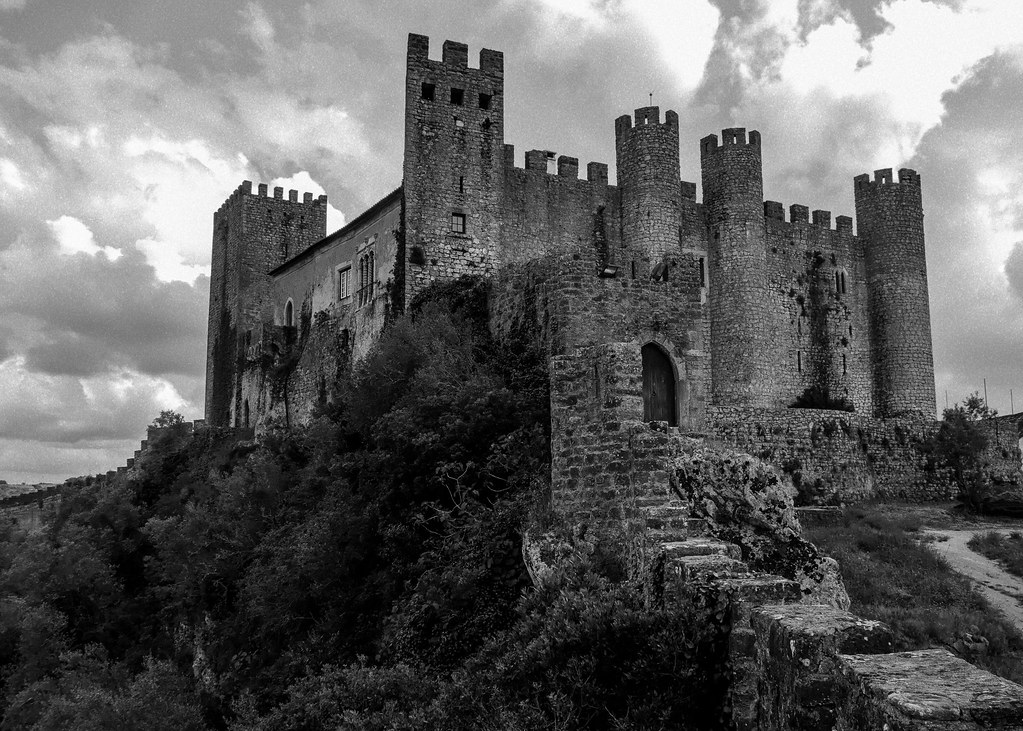
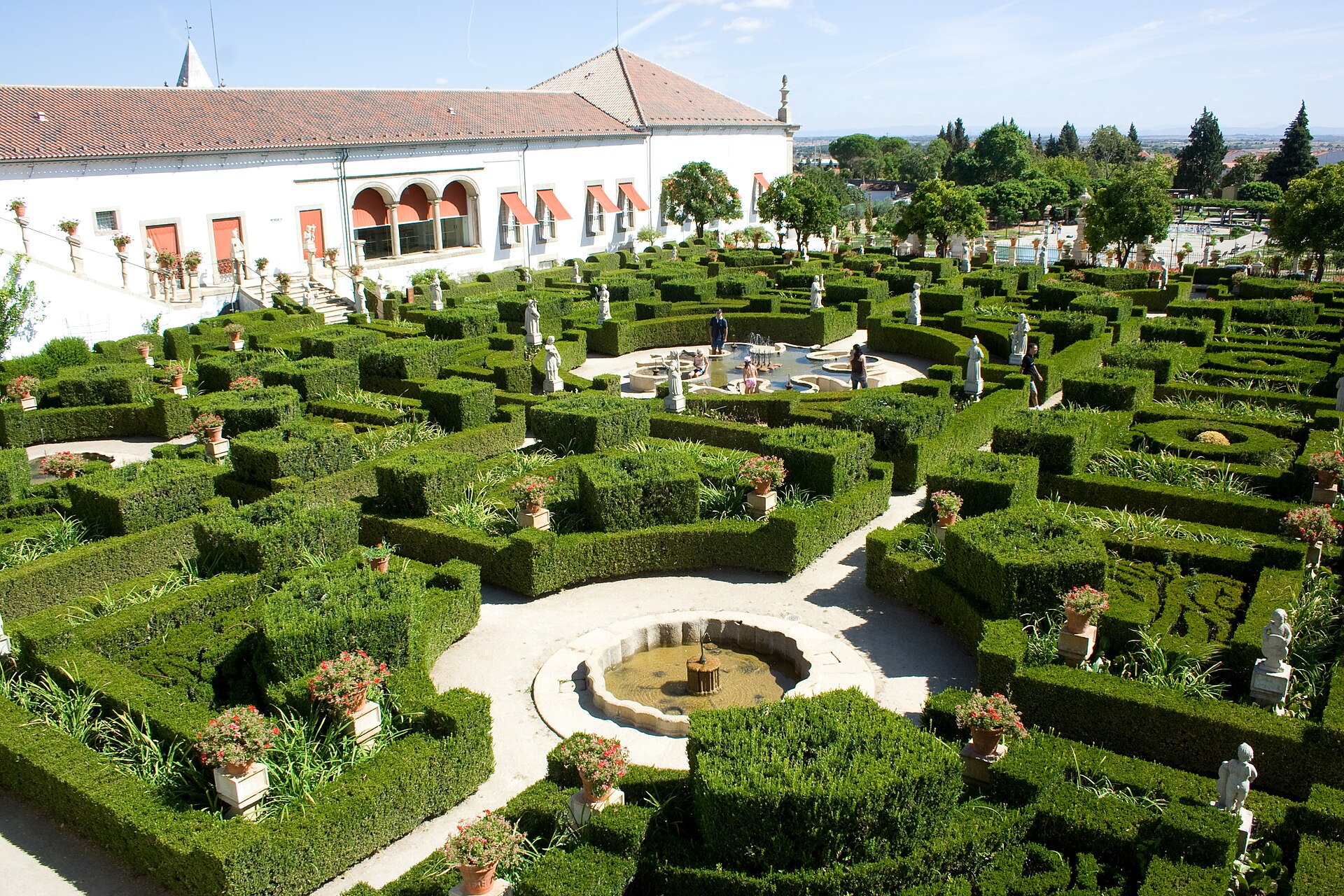
Beira Interior is a core chapter, not an afterthought. Between the Douro and Tagus near the Spanish border, altitude and temperature range shape distinctive vineyards. Explore Castelo Branco, Fundão and Covilhã around Cova da Beira, then Pinhel, Almeida and Figueira de Castelo Rodrigo farther north. Pair booked producers with Historic Villages, cheese, olive oil and border heritage.
Tejo and Setúbal Peninsula
Santarém, Almeirim, Cartaxo and Coruche provide different readings of Tejo’s Campo, Bairro and Charneca. South of Lisbon, Palmela and Azeitão lead into the Setúbal Peninsula, with Setúbal, Arrábida and the Sado adding city, mountain and coast. Moscatel de Setúbal is the best-known fortified reference, but not the region’s only wine.
Alentejo and Algarve
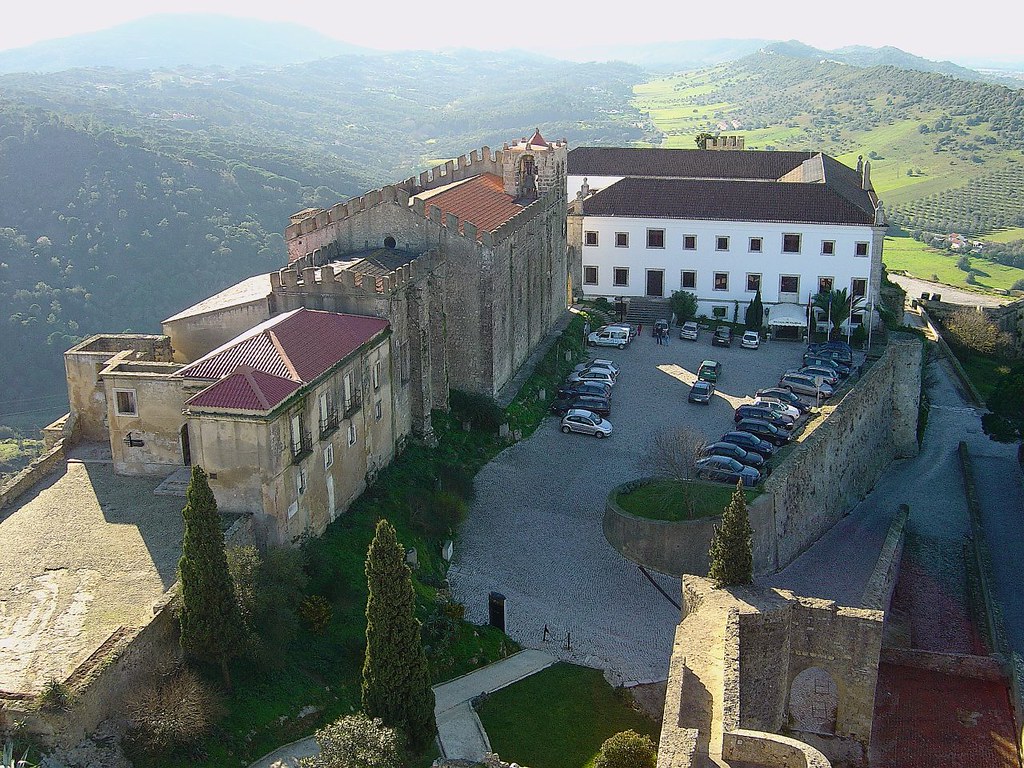
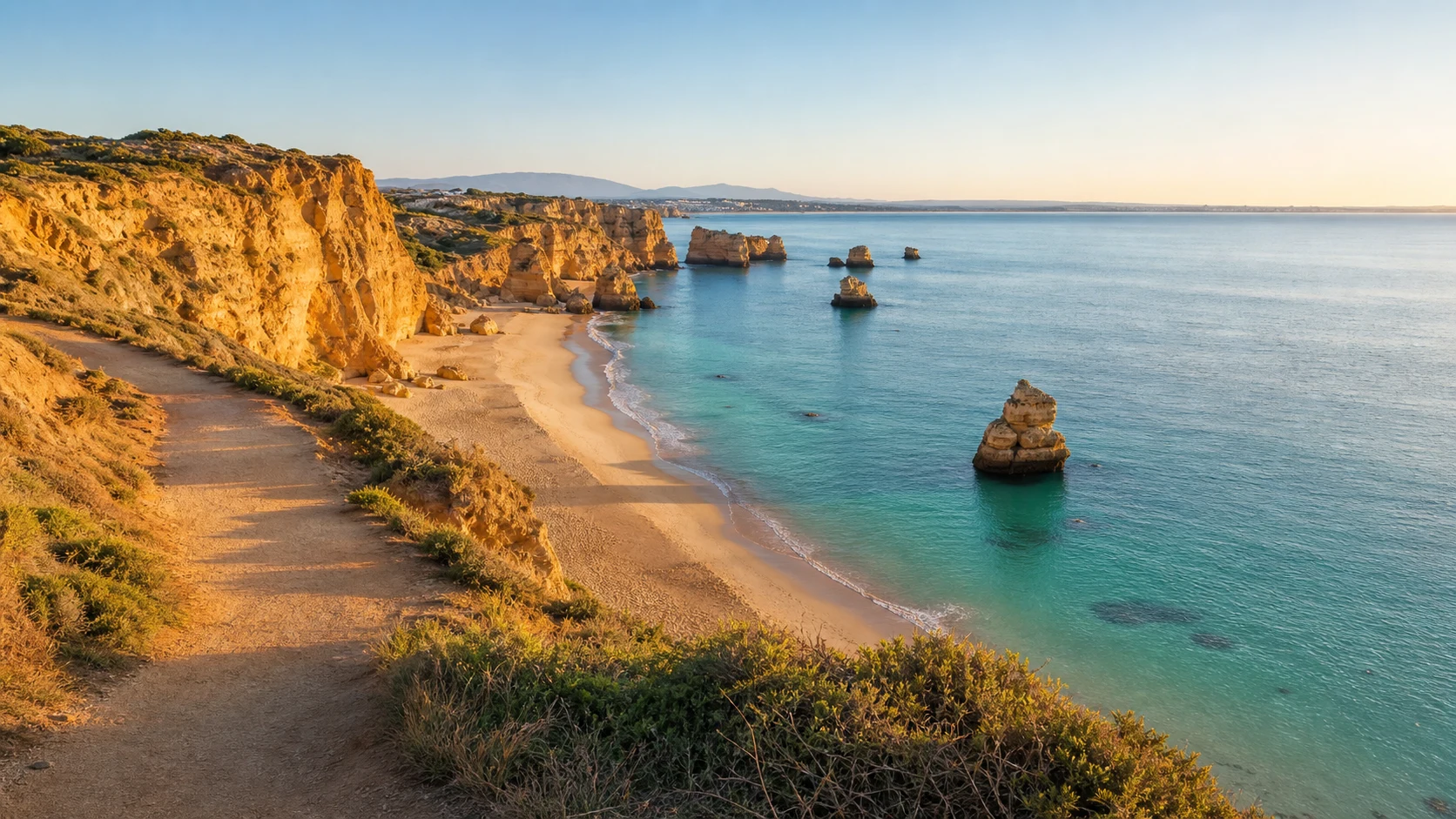
Alentejo needs several trips: Évora, Redondo, Borba and Estremoz; Reguengos and Vidigueira; or higher-altitude Portalegre. Its DOC has eight subregions. In the Algarve, use the traditional Lagos, Portimão, Lagoa and Tavira appellations to structure a journey beyond the beaches. Check seasonal opening hours.
Madeira and Pico
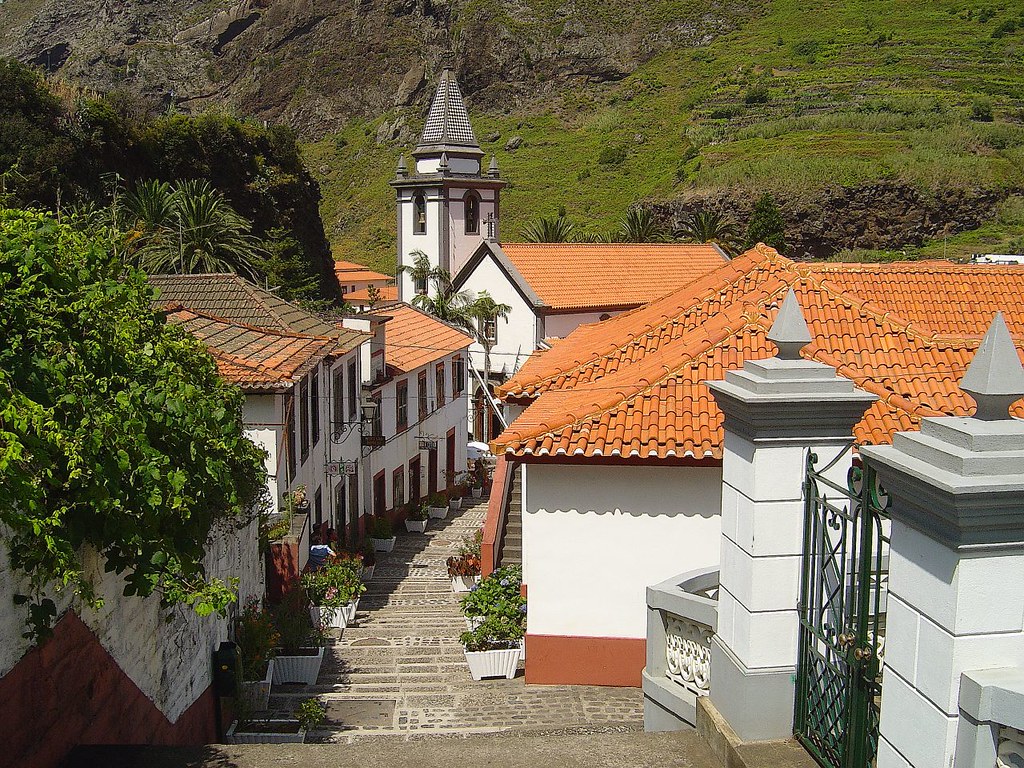
In Madeira, combine Funchal’s historic wine houses with vineyard landscapes around Câmara de Lobos, Estreito da Calheta or São Vicente. On Pico, Madalena, Criação Velha and Lajido reveal black-stone plots protecting vines from wind and sea spray in a UNESCO World Heritage cultural landscape.
Trás-os-Montes, Távora-Varosa and Lisboa
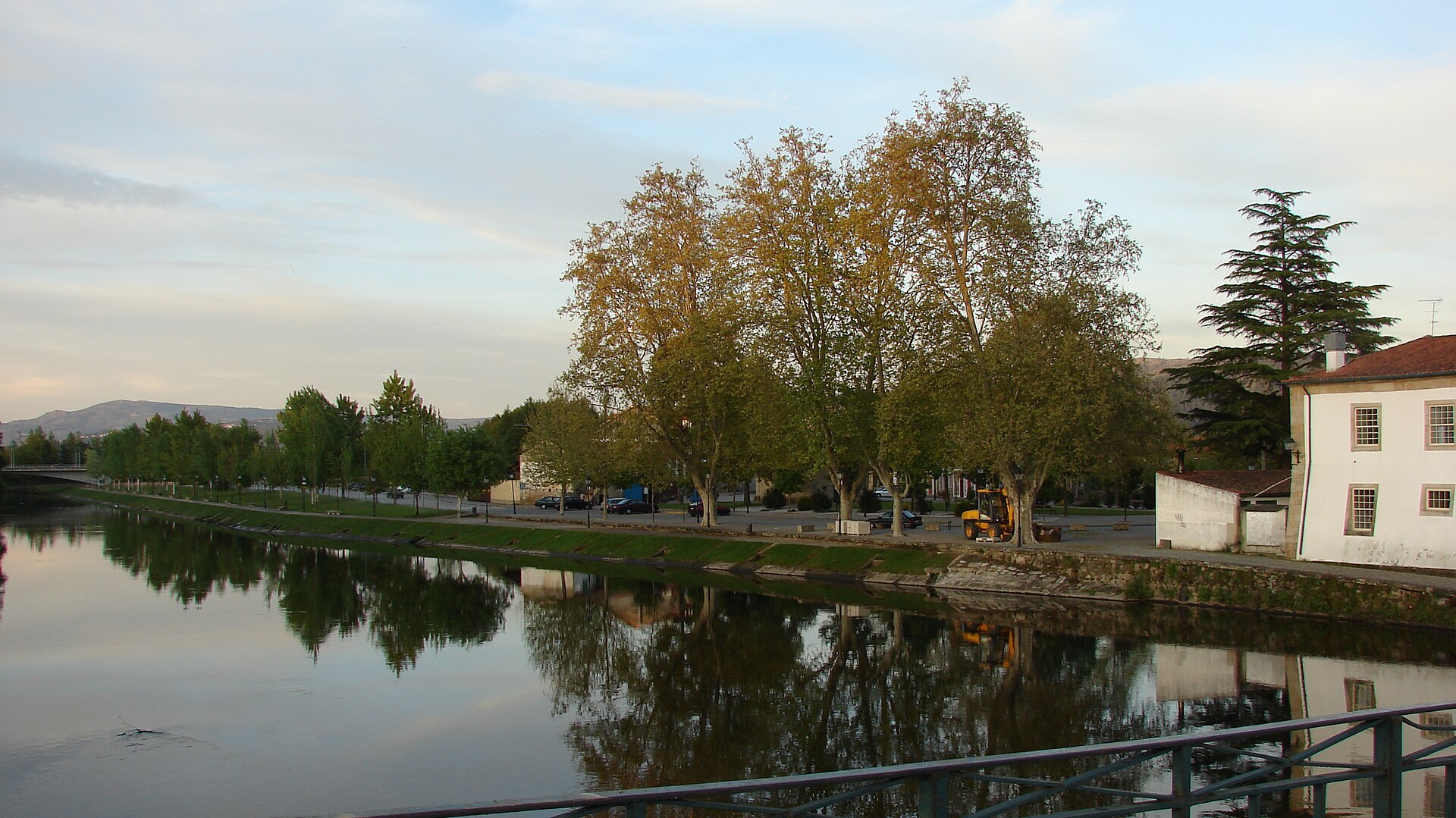
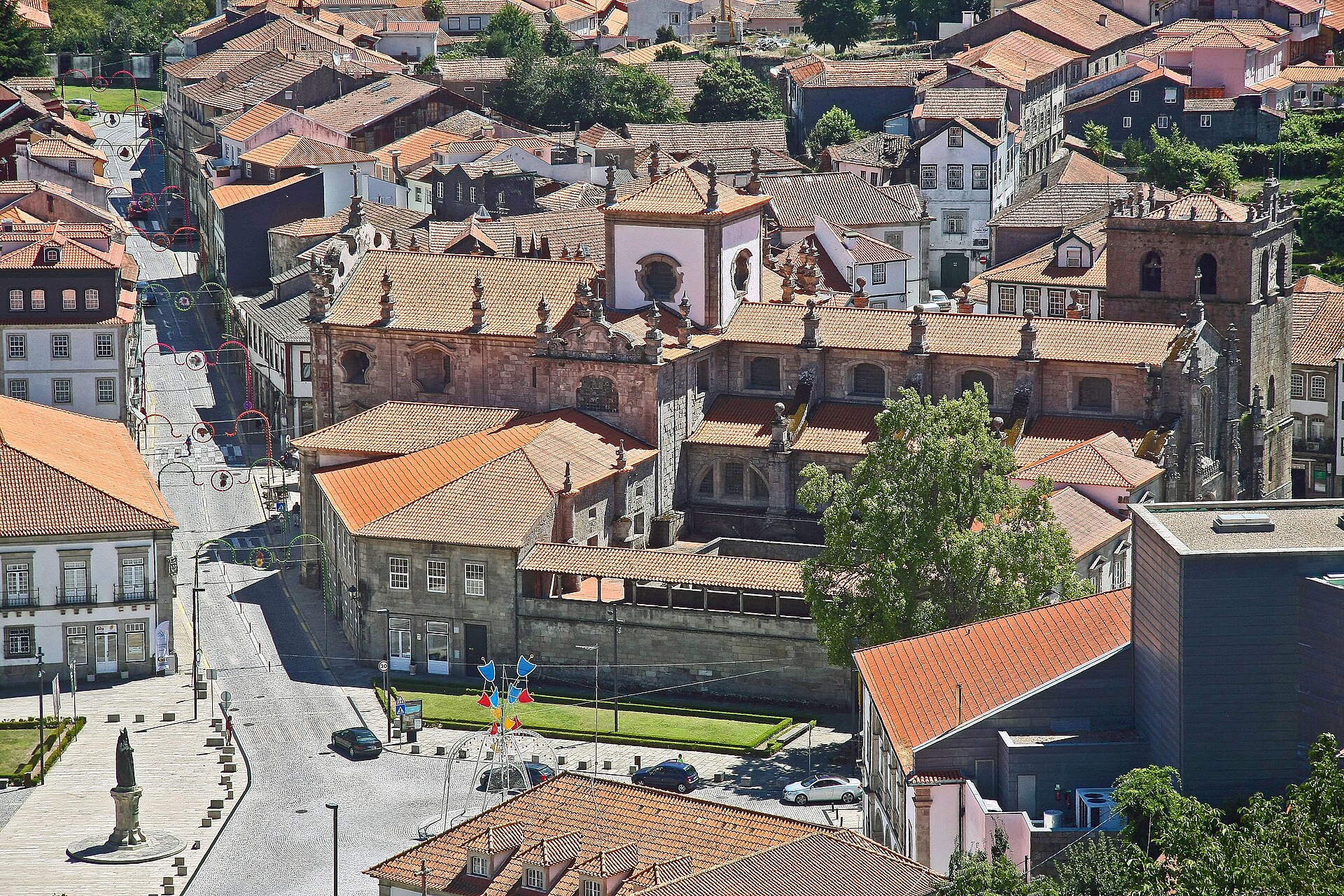
Use Chaves, Valpaços and the Mirandês plateau to explore Trás-os-Montes. Lamego, Tarouca and Moimenta da Beira lead into high-altitude Távora-Varosa, especially associated with sparkling wine and Cistercian heritage. The Lisboa region follows the Atlantic strip north of the capital and contains nine denominations; choose one coherent cluster.
Taste responsibly
Book every visit and confirm language, duration, price and accessibility. Use a driver, taxi or designated driver; tasting does not require finishing every glass. Regional programmes and harvest activities change, so check official wine commissions and routes before travelling.